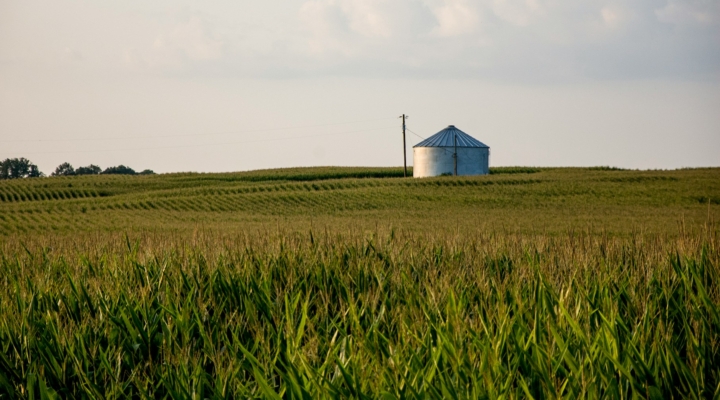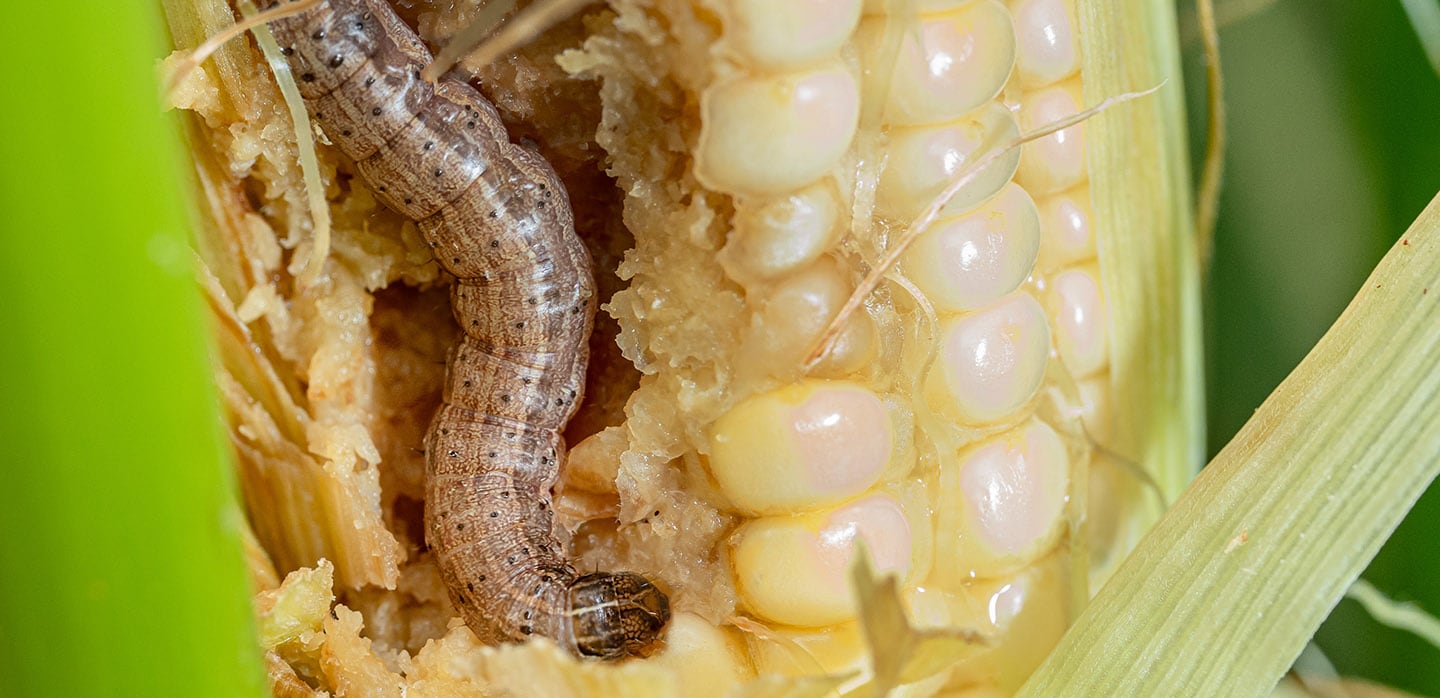
A tropical agriculture pest that destroys maize crops and sweetcorn has been found in the South Island for the first time, says a farming group.
The fall armyworm had caused millions of dollars worth of crop damage in China, the United States and across Africa.
US farmers suffered crop losses of US$60 million (NZ$93m) between 1975 and 1983, with maize growers in South Africa comparing it to ‘biblical level plagues’ in 2017.
Biosecurity New Zealand deputy director-general Stuart Anderson said eggs from the pest were found in Tauranga for the first time in March last year.
The pest was probably windblown from Australia, Anderson said.
It had not spread from the North Island until this month.
General business and operations manager at the Foundation for Arable Research, Ivan Lawrie, said a find was confirmed in a maize paddock near Hokitika.
Since then other finds in the region suggested several maize crops were affected, Lawrie said.
Before the South Island find, the foundation was already surprised to find the pest as far south as Taranaki, as the pest only thrived in warmer tropical climates, he said.
However, a mild winter allowed some worms to survive and spread, Lawrie said.
Fall armyworms could breed up to three generations in the time it took to grow a single maize crop, he said.
Significant economic damage could be done if worms were allowed to increase this much, Lawrie said.
At this stage only single generations of the worm were found in crops, he said.
Colder local climates usually slowed the spread, and by the time the worm reached significant numbers crops were ready to harvest, he said.
It was important farmers and growers applied insecticide when worms were young and at a larvae stage that fed on leaves, as they were more vulnerable to insecticides then, he said.
As they grew older worms made a home for themselves in the centre of the plant and insecticides did not reach them, it was also at this stage that they did the most damage, Lawrie said.
There was a native wasp that has been found feeding on the pest, Lawrie said.
The hope was that the native wasp would help with controlling the pest in future, he said.
Farmers and growers were obligated to report any finds of the pest which would be used to help form a map of its spread, he said.
Lawrie was concerned that some growers were not monitoring crops and were not reporting finds
Many farmers previously had bad experiences when reporting M bovis because they were put under notice, he said.
There were no consequences for growers for reporting, because the pest could not be controlled by removing crops.
A warmer summer and winter meant the worm could spread.
However, with a lot of rain in many parts of the country the worm could drown during its pupa stage when it lived in the ground, Lawrie said.
Since September there had been 56 new finds of the pest in the North Island, 11 more than two weeks ago, he said.
North Island farmers were already making use of an insecticide to control the pests.
Fall armyworm also fed on other crops but preferred maize and sweetcorn, Lawrie said.
istanbul escort | gay porno | turk porno | anal porno | zenci escort | porno film | istanbul escort | rus porno | vip escort | atasehir escort | umraniye escort | taksim escort | sisli escort | maslak escort | taksim escort | besiktas escort | umraniye escort | umraniye escort | sisli escort | taksim escort | istanbul rus escort | zenci escort | istanbul escort sitesi | istanbul vip escortSource - https://www.stuff.co.nz