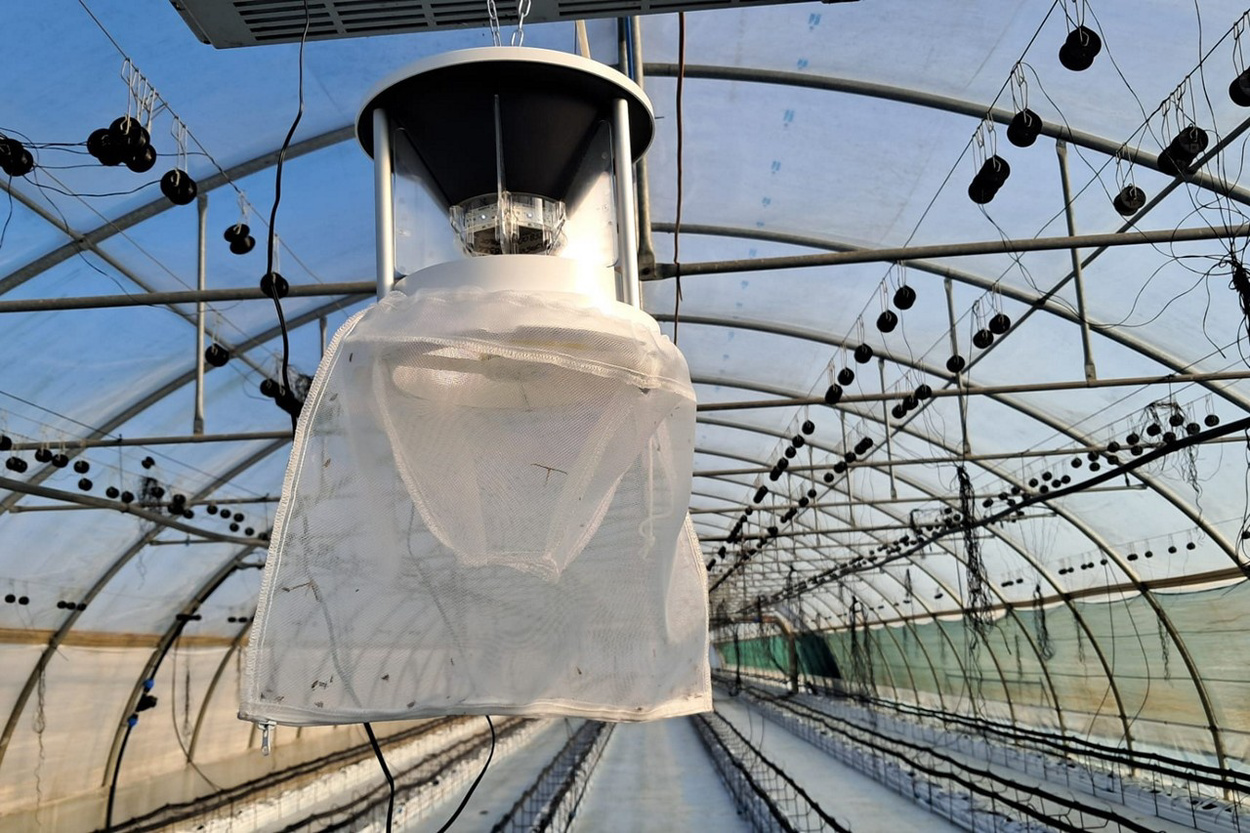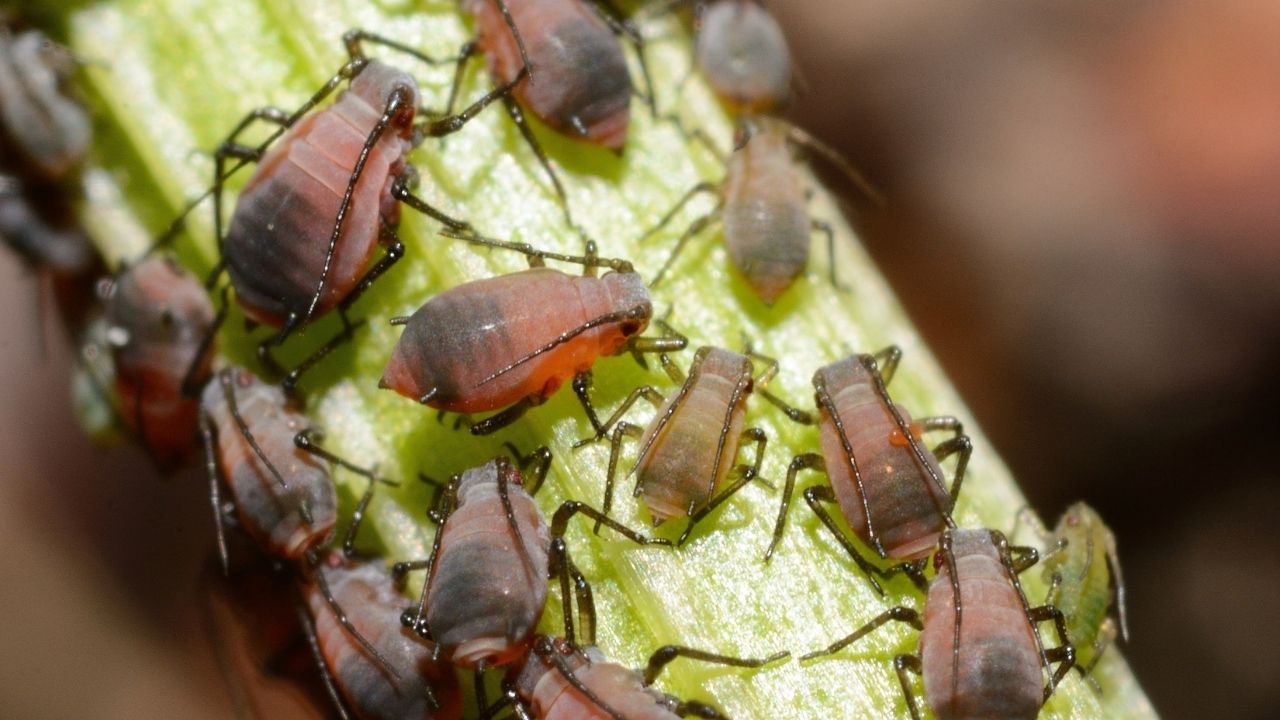
Eggs from fall army worm, a pest that caused millions of dollars worth of crop damage in China, the USA and across Africa, were found in Tauranga, Biosecurity New Zealand says.
Biosecurity New Zealand’s deputy director-general Stuart Anderson said that a single egg mass of fall army worm (FAW) eggs were found during routine surveillance. The eggs were attached to a gypsy moth trap in Tauranga’s central business district.
“The egg mass was tested, before being destroyed,” Anderson said.
It has been reported that fall army worms could lay up to 2000 eggs and caused havoc to South Africa's maize crops.
The worm targeted many crops but was a concern for cereal growers.
Research by the USA National Center for Biotechnology showed in the USA the work caused an annual average crop loss of US$60 million between 1975 and 1983. In Brazil the loss was more than US$400m in damage annually. It was estimated that Brazil spent about US$600m annually controlling outbreaks.
In Zambia maize crop losses of 28 per cent were reported in the 2016 to 2017 season, with 124, 000 hectares being affected by fall army worms.
Media reports showed 18 provinces in China had been affected by it.
The South African grain farmer lobby group Grain SA also reported that the worms attacked maize in all stages of growth, but mostly targeted leaf growth. The first outbreak in South Africa was in 2017.
Risk assessments by Biosecurity New Zealand showed the pest was a low risk to Kiwi farmers because low temperatures New Zealand meant it could not proliferate, Anderson said.
“It’s not hot enough for the moth to establish in large numbers throughout the year. The number of generations in New Zealand is estimated to be much lower than in the tropics. This species is unable to hibernate over winter and populations are likely to die out during the winter period. This will cover all life forms (eggs, larvae, pupae, adults). Our assessment also found this pest is unlikely to cause widespread biosecurity risk to New Zealand,” he said.
No further eggs or any sign of adult moths or larvae belonging to this particular worm were found in the area. There is no evidence of an established population.
“We are still looking into how it got here. We do know that this pest is a hitchhiker and we also know that this pest was likely to arrive as an adult moth from Australia via strong winds within the next five years,” Anderson said.
There are a number of other types of army worm caterpillars present in New Zealand.
“Most of New Zealand’s environment is unsuitable for these pests, so they have limited distribution. Only one of the species, the tropical army worm, has been recorded to have some negative impacts and they only happen when conditions are unusually warm and humid. Northland Regional Council has reported only one outbreak, which was managed with insecticide,” Anderson said.
Source - https://www.stuff.co.nz