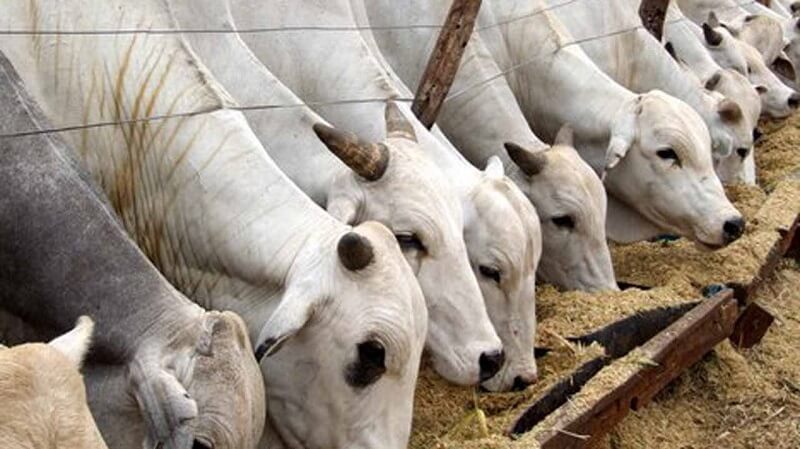
Nigeria’s push to deepen agricultural insurance and climate risk protection gained momentum as livestock herders in Adamawa, Bauchi and Plateau states received N181.9 million in claims under the Index- Based Livestock Insurance (IBLI) scheme.
The development highlighted the increasing importance of innovative insurance solutions in protecting livelihoods and enhancing resilience in the country’s livestock sector.
The payout, one of the most notable parametric agricultural insurance settlements in recent times, was executed by a consortium of insurers led by Leadway Assurance Company, alongside Rex Insurance, NSIA Insurance, AIICO Insurance and the Nigerian Agricultural Insurance Corporation.
The disbursement, the underwriters said, reflected verified index-triggered losses recorded during the insured period and underscored the growing adoption of data-driven insurance solutions to cushion pastoral communities against drought and other climate-related shocks.
Unlike conventional indemnity insurance, the IBLI model relies on satellite-based vegetation indices to determine payout triggers, eliminating the need for individual loss assessments and enabling faster, more transparent compensation.
For insurers, the development underscores the growing relevance of parametric products in managing systemic climate exposure across Nigeria’s agricultural value chain.
Unlike traditional indemnity policies, index-based insurance pays out automatically when predefined environmental thresholds are breached, improving efficiency and scalability.
The scheme is backed by reinsurance support from the Africa Reinsurance Corporation, alongside partnerships with the Livestock Productivity and Resilience Support Project (L-PRESS) and the International Finance Corporation, a member of the World Bank Group, highlighting increasing alignment between insurers, development finance institutions, and government-backed programmes.
Speaking at the payout ceremony in Yola, Adamawa state, Leadway’s Global Head of Agriculture Risk Solutions, Ayoola Fatona, described the settlement as proof that data-driven underwriting could strengthen resilience among livestock- dependent communities while advancing sustainable agricultural risk management.
Source - https://guardian.ng