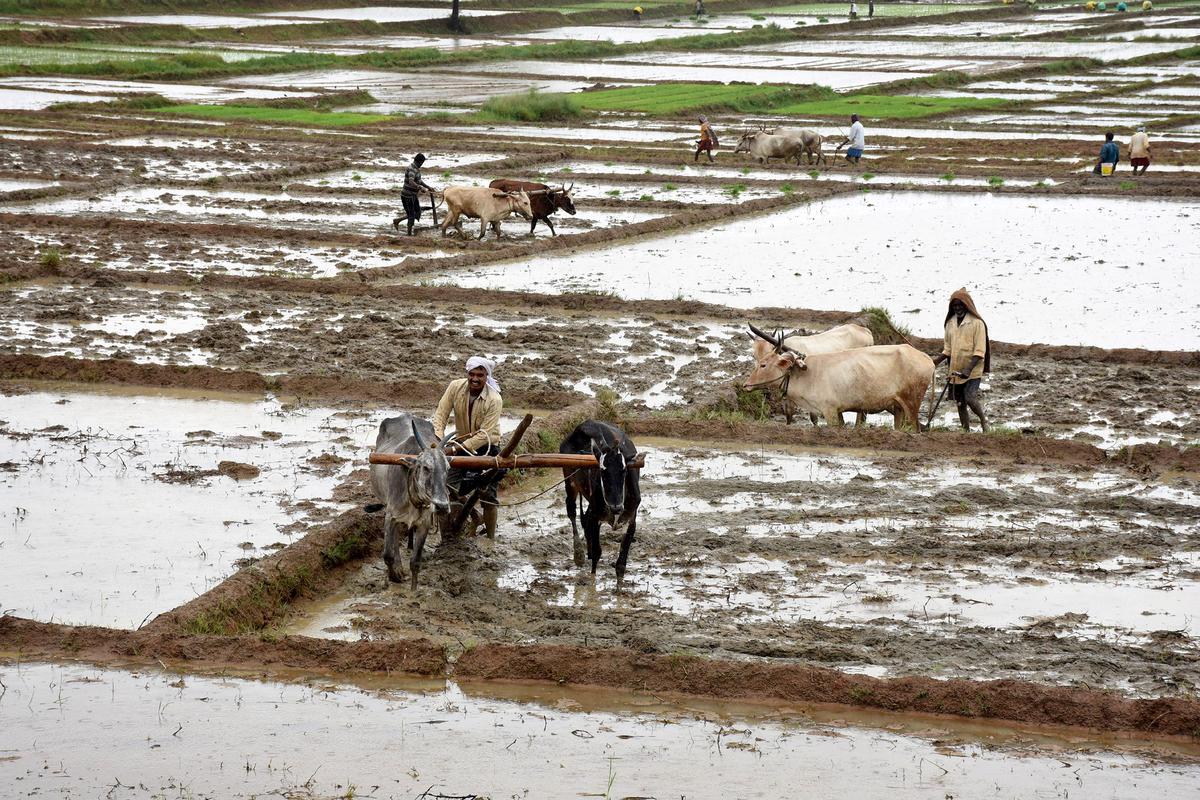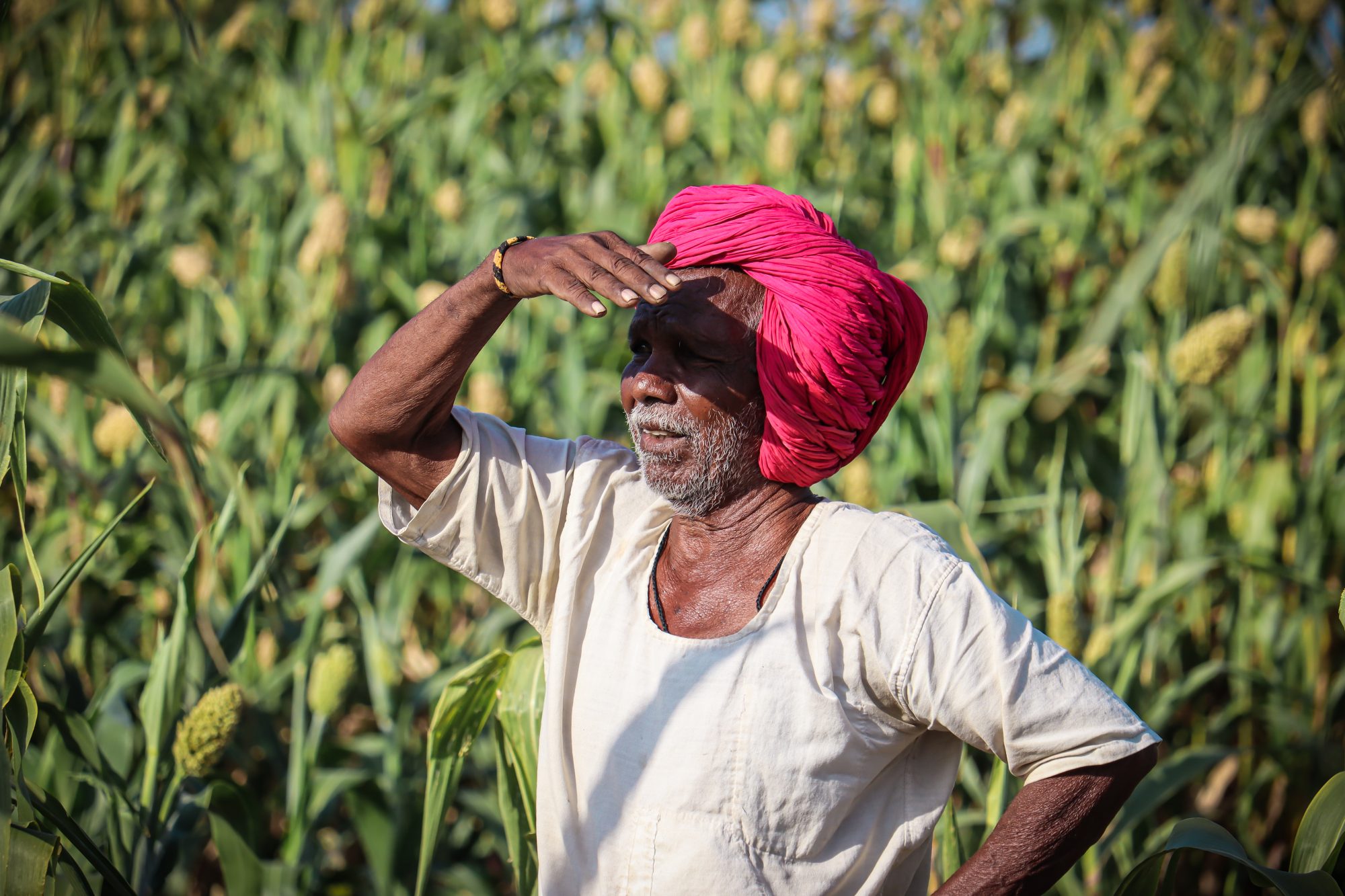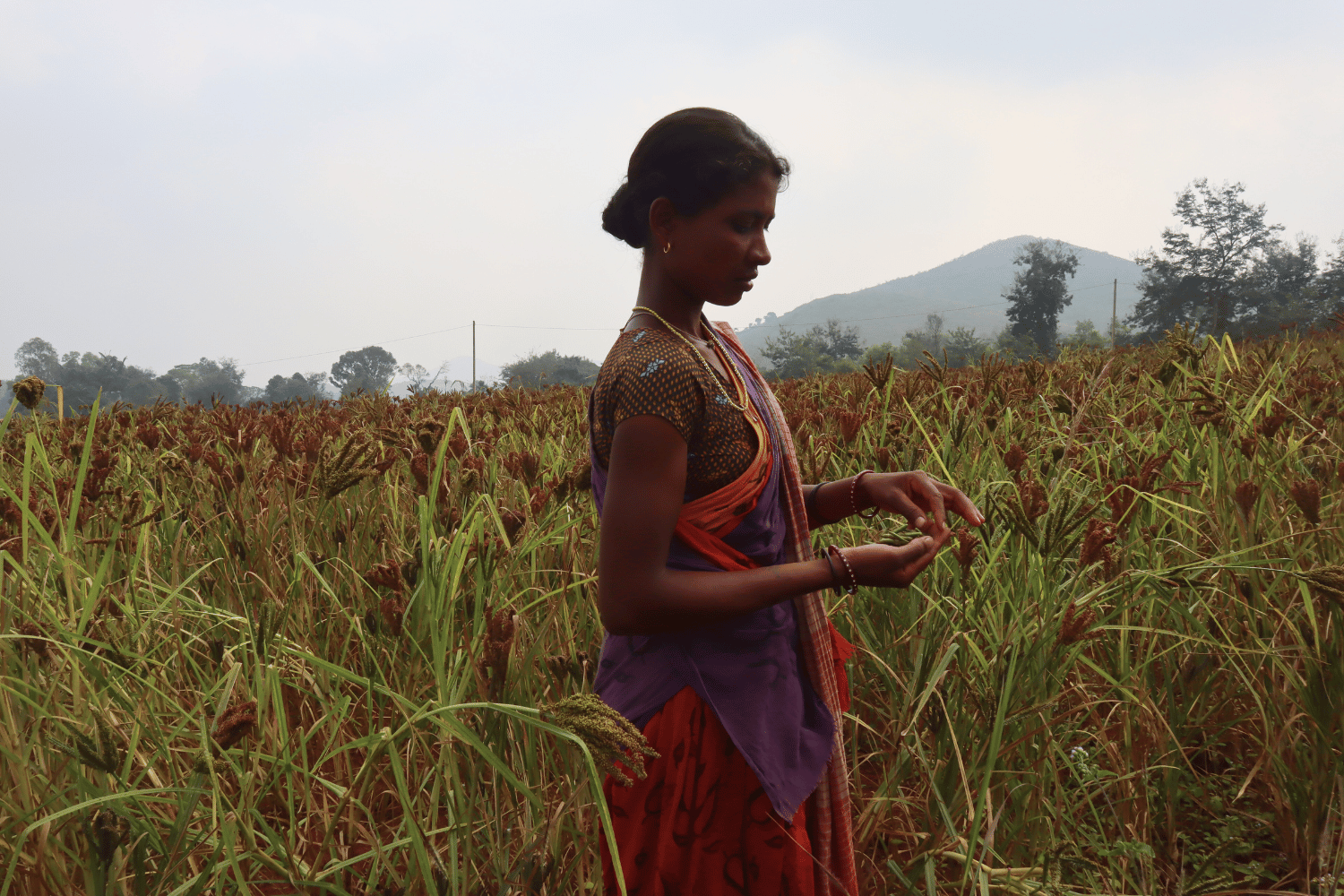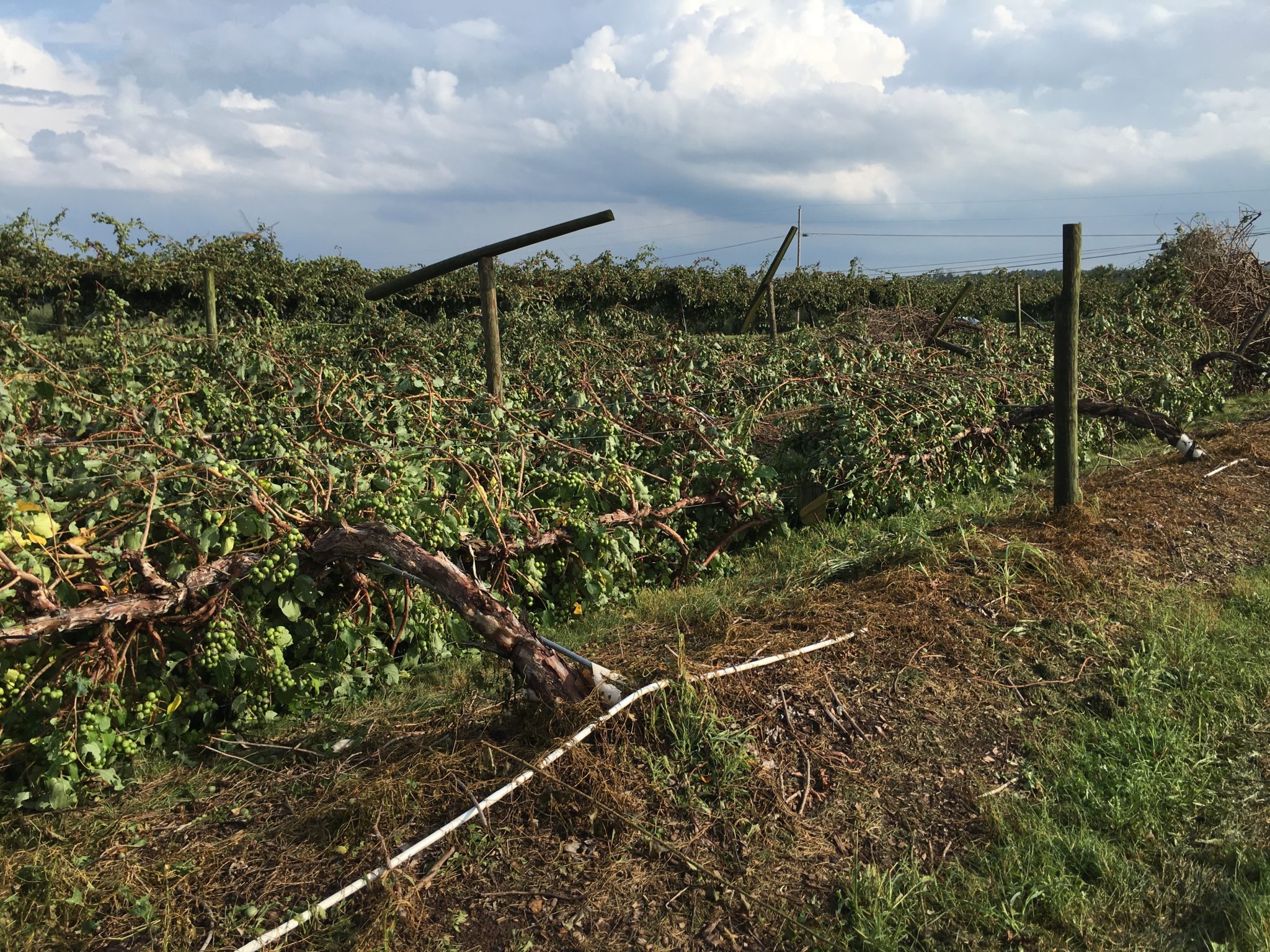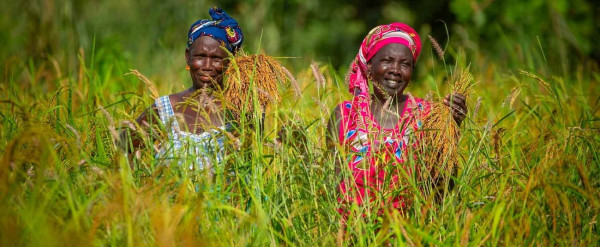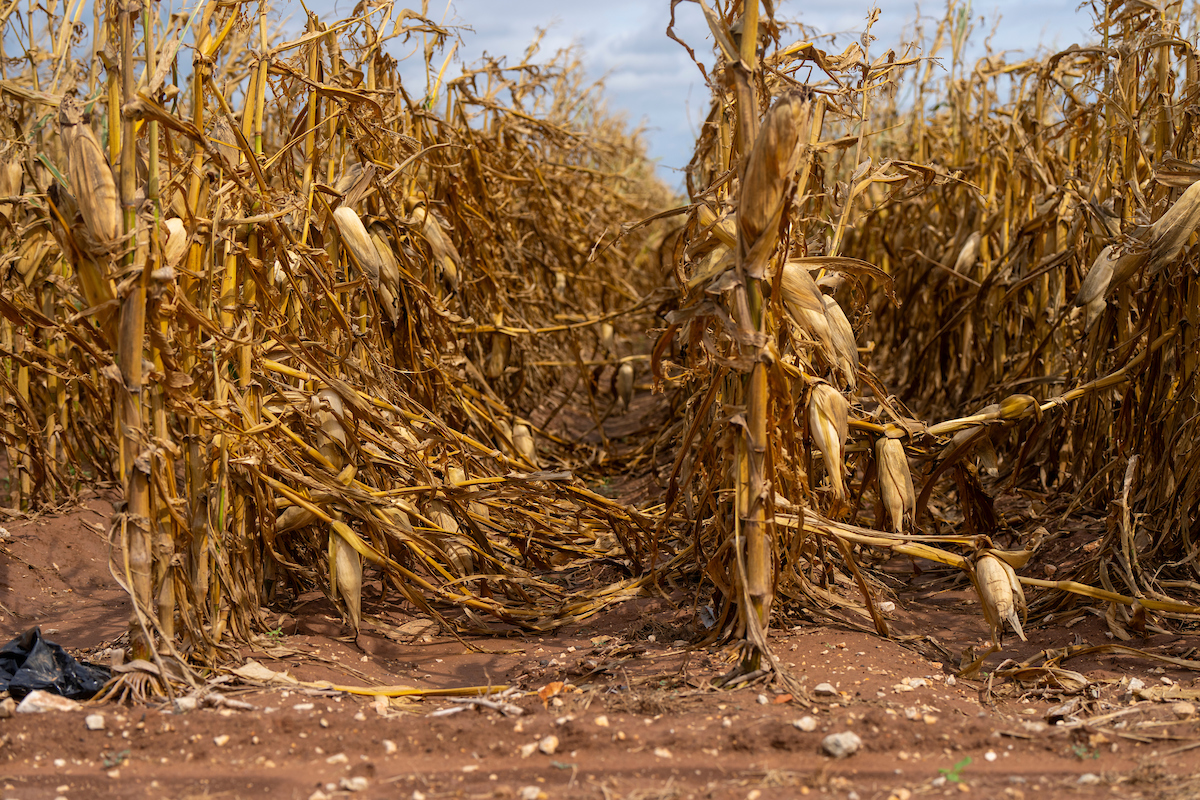
It can be a tough way to make a living. Smallholder farmers in Nigeria regularly lose crops and livestock to floods and droughts. For instance, Nigeria lost over 1.7 million metric tonnes of grain to drought in 2021.
Extreme weather events can devastate farmer families for a long time because agriculture is their main source of income. But research shows that up to 82.7% of Nigeria’s farmers are not insured for this damage. Research has also pointed out some obstacles to traditional insurance for small farmers in African countries. Premiums may be too expensive, and claims difficult to make.
An innovative form of insurance called index insurance has gained traction in developing countries in the past decade. Payouts are triggered automatically when specific weather conditions, such as rainfall levels or temperature thresholds, are met, eliminating the need for individual claims. This system ensures quicker compensation based on objective data, reducing delays and administrative costs. This has been found to work well in Kenya and Ethiopia.
Index insurance pays out based on data from weather stations, satellites and remote sensing technologies that indicates looming droughts or severe storms. Once the key indicators from these sources hit a certain trigger point, insurance payments are automatically sent out fast to smallholder farmers who are most affected. Farmers do not need to make claims after the disaster, and insurance companies do not have to visit farms to verify claims before they pay out.
Index insurance does not prevent actual damage to crops or animals, but it helps farmers and ranchers recover more quickly. It is a financial safety net that covers the costs of replanting, buying new livestock, and other recovery needs, and helps create a more stable long-term supply of food.
Having insurance can also allow farmers to access credit more easily to invest in new agricultural technologies or inputs.
Livestock farmers in Kwara State
Rainfall is very important for livestock farming in Kwara State because it directly affects crops and grazing that livestock need for food. The rainfall and temperature trends in the area have varied considerably over the past decades, leaving farmers vulnerable to climate shocks.
We surveyed 392 livestock farmers who had already used traditional insurance and so were familiar with risk management. They knew how well the traditional product had worked for them and could compare it with the idea of index insurance.
Over half (55%) of the respondents rated the effects of weather-related risks on livestock production as extremely severe. Most (74%) named drought as the main risk; many (66%) also named high temperatures.
More than half were educated beyond secondary school but about 53% earned low incomes. A majority (64.5%) belonged to an economic association, which could give them access to resources.
Of the farmers we surveyed, 303 (77.3%) said they would be willing to adopt the index insurance product. They confirmed they would be able to pay an insurance premium amounting to 1.3% of their livestock value.
The “adopters” tended to have access to extension services and to be members of associations. They also tended to have non-farming sources of income. And they tended to live closer to a weather station. Unexpectedly, having more education did not make a farmer more likely to be keen to adopt index insurance.
Only 80 farmers were satisfied with traditional insurance as a risk management strategy. They said claims were not paid.
Experience in other countries
Index insurance programmes have been successfully put in place in Kenya and Ethiopia. In Asia, India, Thailand and Indonesia have also adopted this approach, allowing for swift compensation to those affected by extreme conditions.
In Ethiopia, adoption of index insurance has been found to boost household well-being by increasing food consumption and encouraging the use of better farming technologies. Other research has found that it improved the coping and adaptive capacities of farmers to address weather risks.
What needs to happen next
We believe our case study in Nigeria highlights several strategies for expanding index insurance to smallholder farmers across Africa:
-
Governments and development partners should invest in building insurance providers’ capacity to develop and deliver tailored products.
-
Farmers need education and support to understand how index insurance works and how to enrol in these programmes.
-
Public-private partnerships should be established to develop innovative delivery channels and risk management solutions.
-
A major challenge with index-based insurance is getting farmers to trust the system. They might worry about whether the measurements are accurate and if they’ll get fair payouts. To build trust, it is important to be open about how the measurements are made, involve local communities in creating the insurance plan, and clearly explain how claims are handled.
-
Finally, insurance and access to credit should go hand-in-hand when dealing with the risks of severe weather events. Using both can provide farmers with a more complete safety net.
Source - The Conversation