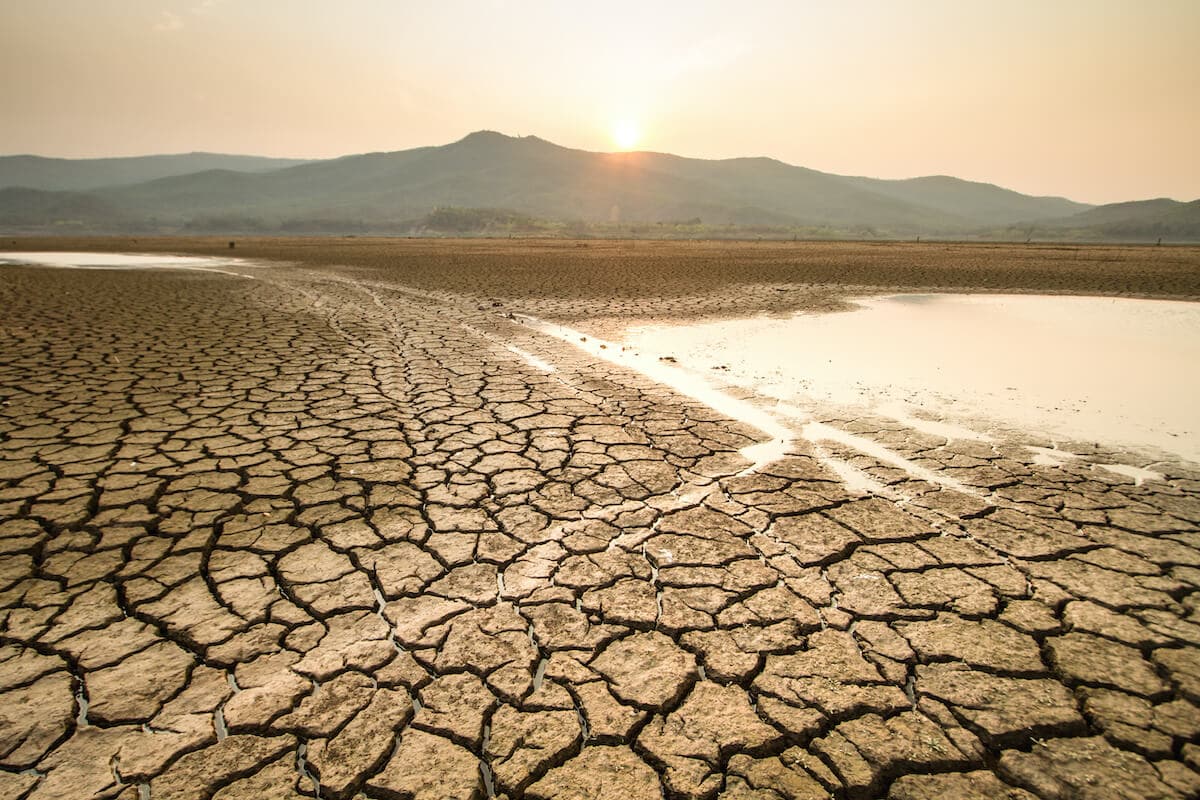
Local officials in North Korea are forcing office workers into the fields to help water plants due to a shortage of working water pumps, as the government struggles to combat a widespread drought, sources in the country told RFA.
North Korea frequently drafts ordinary citizens whenever it needs manpower for public projects, a practice that has drawn complaints from a population struggling to make ends meet. Forced labor is often used for construction, road maintenance and agriculture. But sources told RFA that mobilizing people to do the work of water pumps was essentially meaningless.
An agricultural source from the city of Chongju in the northwestern province of North Pyongan told RFA’s Korean Service that city and county irrigation management office managers across the country were told by the Central Committee in Pyongyang to what they had to do to prevent crop damage.
“The Provincial Rural Economic Management Committee gathered the irrigation management office managers from each city and county, and the officials in charge of overall supervision and management of agricultural technology,” said the source, who requested anonymity out of security concerns.
“The authorities emphasized the supply of agricultural water to the irrigation management officials because there was so little snow in the winter and no rain during the spring, and this could cause great damage to crops already planted,” said the source.
But the efforts to mitigate the worst effects of the dry weather have been complicated by a shortage of working water pumps in the country, in part due to the suspension of trade with China in January 2020 due to the pandemic. Rail freight finally resumed almost two years later, but a resurgence of the pandemic in China led officials to close the border again this month.
“Currently, most of the water pumps and electric motors from each working group under the Chongju Irrigation Management Office are broken … and the parts for the machines are not available on the market because the border has been closed due to COVID-19,” the source said.
“The irrigation management officials are pursuing a plan to smuggle used water pumps and electric motors from China in order to carry out the Central Committee’s order,” the source said.
Pumps typically cost between U.S. $800 and $1,000, although used ones can be bought for about half that price, the source said.
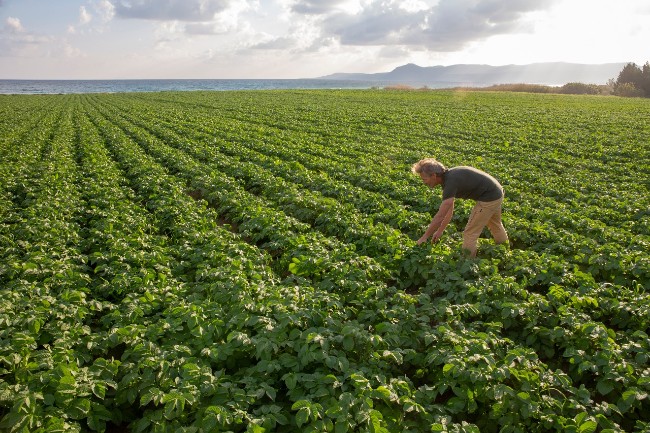
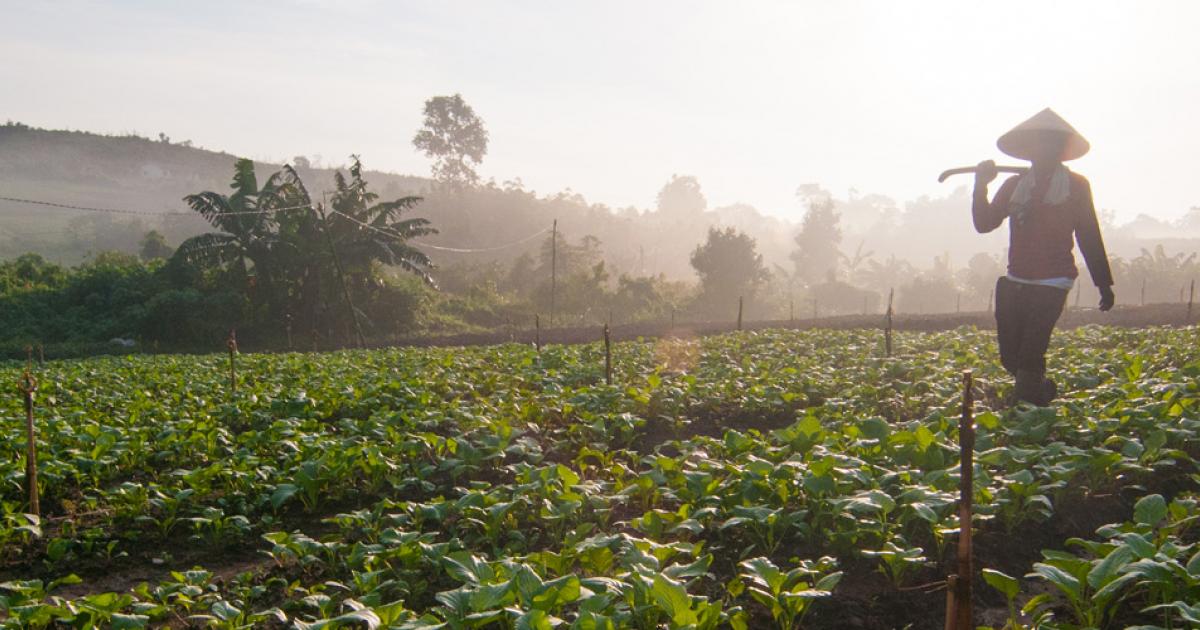
Authorities in some areas are trying to solve their pump problems by forcing people to manually water the planted crops, a source in South Pyongan province, north of the capital Pyongyang, told RFA on condition of anonymity to speak freely.
“Officials and clerks, not only from the agricultural sector, but also from organizations in the province and neighboring Pyongyang, and workers from state-owned enterprises are being mobilized,” the South Pyongan source said.
“Nationwide, the temperature in April was more than 2 degrees Celsius higher than usual, and precipitation was less than half of most years, and hot and dry weather is expected to continue in May. In the case of Chungsan county in our province, workers from various central organizations, such as the Ministry of Forestry, the Ministry of Commerce, the Maritime Administration Bureau, and the Literature and Arts Publishing House, provided support for three days in a row,” the South Pyongan source said.
But regardless of how many able bodies are on hand to render assistance, they desperately need water pumps to properly irrigate the crops, the South Pyongan source said.
“The state is unable to provide this, so it recklessly mobilizes large numbers of people,” the South Pyongan source said.
A source in North Pyongan’s Ryongchon county told RFA that the authorities are rushing to save the crops that have already been damaged before the water-intensive rice-planting season.
“The irrigation management office under the Farm Management Committee of Ryongchon county used to operate six water pumps to supply water to every cooperative farm. Due to the frequent power outages last year, only three water pumps are currently in operation following motor failure,” this source said.
“The three water pumps are currently concentrated in wheat fields that are severely damaged by drought, so there are no water pumps to supply water to the rice paddies where rice planting will be carried out. Coil wires and insulation materials are essential to repair the broken water pumps, but there is no support at all from the government,” he said.
Another agricultural source, in the northeastern province of South Hamgyong, reported to RFA that office workers there were also mobilized to water the crops, some of them forced to carry water on their backs.
“I am more concerned about rice planting. There is a lot of work to do, such as bed management, watering the rice fields, and harrowing. You can’t just make the farmers water wheat and barley fields,” the source said.
“If the rice seedlings that have just been sown don't have enough moisture, they will not germinate properly. Also, without enough water, the wheat and barley yields may drop,” the source said.
Source - https://www.rfa.org