Norwegian solar energy company Alotta raises millions after uptake from salmon farming industry

02.10.2025 460 views

Norwegian green energy company Alotta has successfully raised NOK 63.5 million (USD 6.3 million, EUR 5.4 million) on the heels of obtaining a 15-year power purchasing agreement with Mowi Chile.

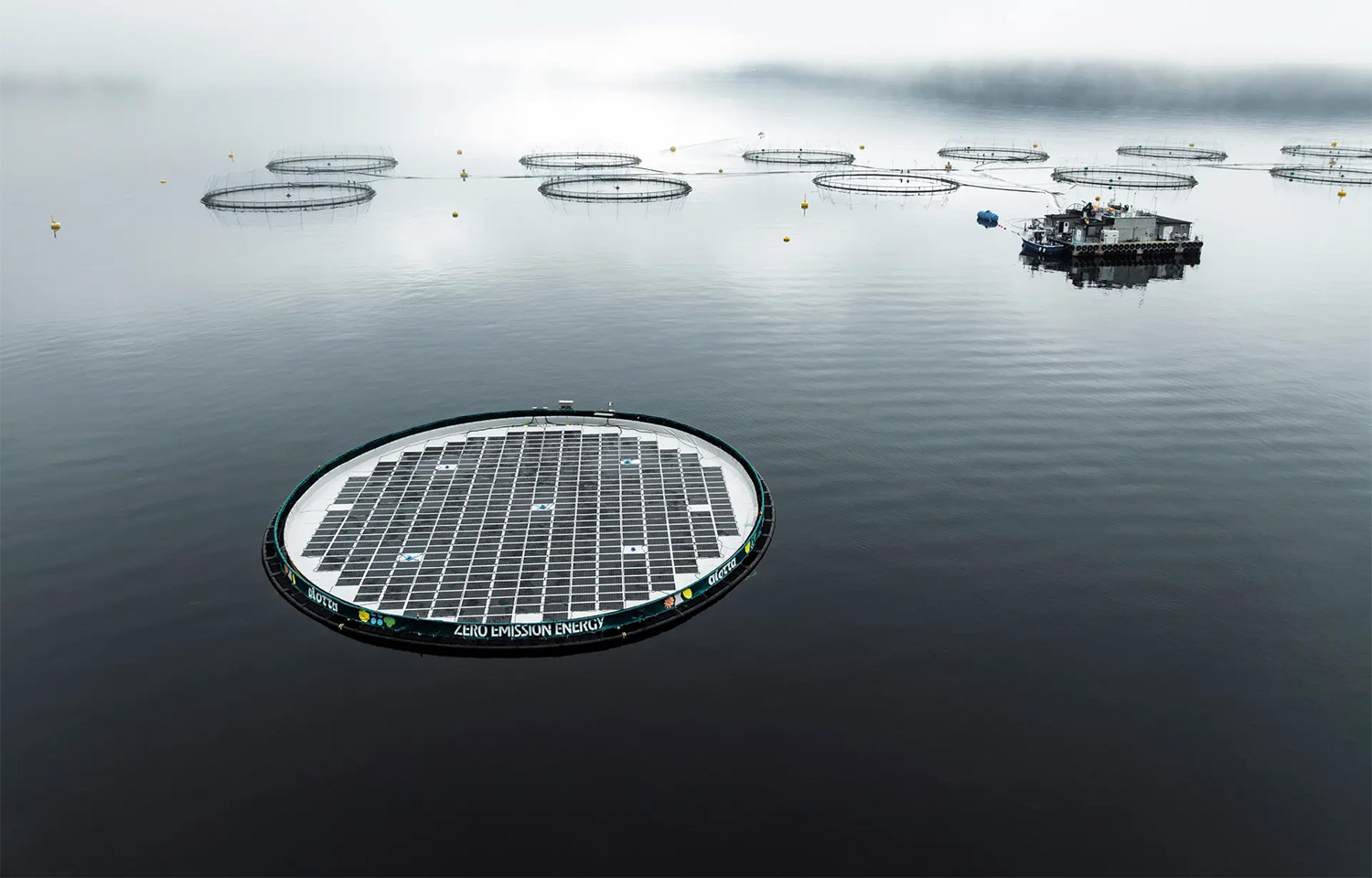
Alotta, formerly known as Inseaenergy, creates floating photovoltaic platforms that provide solar energy. The company said the new agreement with Mowi Chile will see it power the company’s salmon farming sites at Huar Norte in the Los Lagos region.

Alotta said the deal “validates” its own-and-operate business model for its floating energy systems, and will provide long-term power production to Mowi’s operations. According to the company, Mowi Chile’s operations in the region are usually remote, off-grid, and utilize diesel generators for power. Removing those generators would lower both costs – the generators consume 60 million liters of fuel a year – and carbon emissions.  

“We are truly grateful for the trust from both investors and customers who share our vision of replacing diesel with green energy in remote areas,” Alotta CEO Kari-Elin Hildre said. “Our role is simple yet powerful: We design, build, and operate systems that deliver reliable, quiet power where it’s needed most.”

Alotta said its primary focus at the moment is floating solar power for aquaculture operations, and it currently uses a “dual revenue model” where it sells its technology via Alotta AS and obtains recurring kilowatt hour revenue through Alotta Energy. The arrangement allows companies to get access to clean power without owning or operating the equipment.


The company said the agreement with Mowi Chile gives it a foothold in the country and “opens the door to further international growth.”

Key investors in the latest funding round included Norselab, Bondø Invest, Pir Invest, and Umoe, according to Alotta.

“Alotta’s model is proven in Norway,” Vibecke Bondø with Bondø Invest said. “With a foothold in Chile, Alotta is stepping on the international stage – and we want to support that expansion.”


Source - https://www.seafoodsource.com

23.08.2026

USA - Pennsylvania Opens $10M Aid Program for Freeze-Hit Growers

Pennsylvania will open a $10 million disaster-relief program Aug. 24 for fruit growers facing an estimated $150 million to $200 million in losses from a spring freeze, Gov. Josh Shapiro reported Thursday during a visit to an Adams County orchard.

23.08.2026

A year of change in Polish agriculture

Minister Krajewski highlights support for farmers and stronger agricultural resilience.

23.08.2026

Nepal - Hunting permits issued to protect crops from wildlife in Arghakhanchi

Amid growing damage to crops and increasing human-wildlife conflict, a system allowing the legal hunting of certain wild animals has been introduced in Arghakhanchi.

23.08.2026

Spain - Barrachina highlights 35.3 million in agricultural insurance for 21,000 professionals in the field

The Generalitat allocates 35.3 million to agricultural insurance in the Valencian Community to support 21,000 farmers and ranchers against increasing risks.

23.08.2026

India - Sodiem locals seek FIR against WRD over paddy crop damage

The Siolim-Sodiem gram sabha on Sunday resolved to initiate criminal action against the Water Resources Department (WRD) over damage to ready-to-harvest paddy crops allegedly caused by leakage and seepage from the Tillari canal.

23.08.2026

India - Bhilwara farmers face crop loss as yellow mosaic virus hits pulses

Farmers in Bhilwara district are in distress due to an outbreak of yellow mosaic, commonly known as yellow disease, affecting their pulse crops. 

20.08.2026

Philippines - Farm damage from ‘habagat’ and serial storms hits ₱1.7B

The agricultural damage caused by the recent typhoons has soared to more than P1.7 billion, affecting over 50,000 farmers and fisherfolk, according to the Department of Agriculture (DA).

20.08.2026

India - Tech Guard For Farms: MIT Muzaffarpur Students Develop AI Device To Protect Crops From Nilgai

For years, farmers in Bihar have relied on scarecrows, fencing and constant vigilance to protect their crops from nilgai, wild animals and birds. But these measures often lose their effectiveness as animals gradually learn to ignore them.