Pakistan - Balochistan has faced extreme weather conditions this year as a result of climate change

24.10.2022 778 views

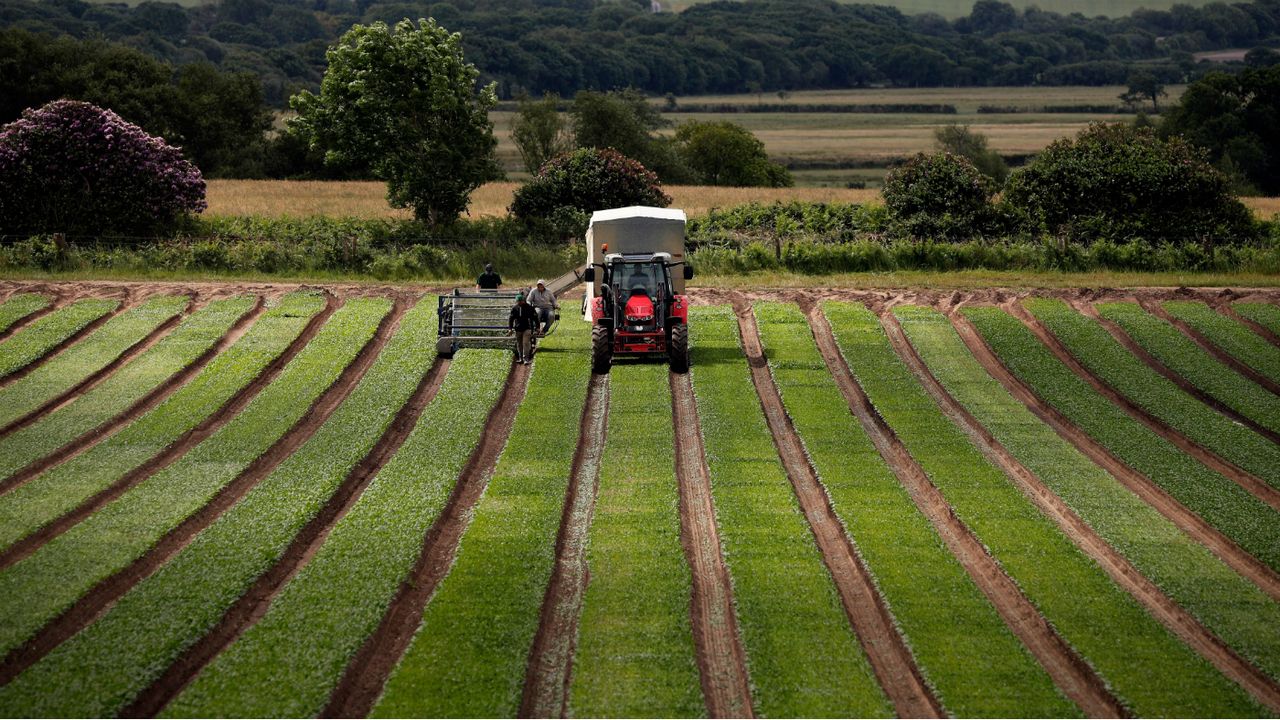
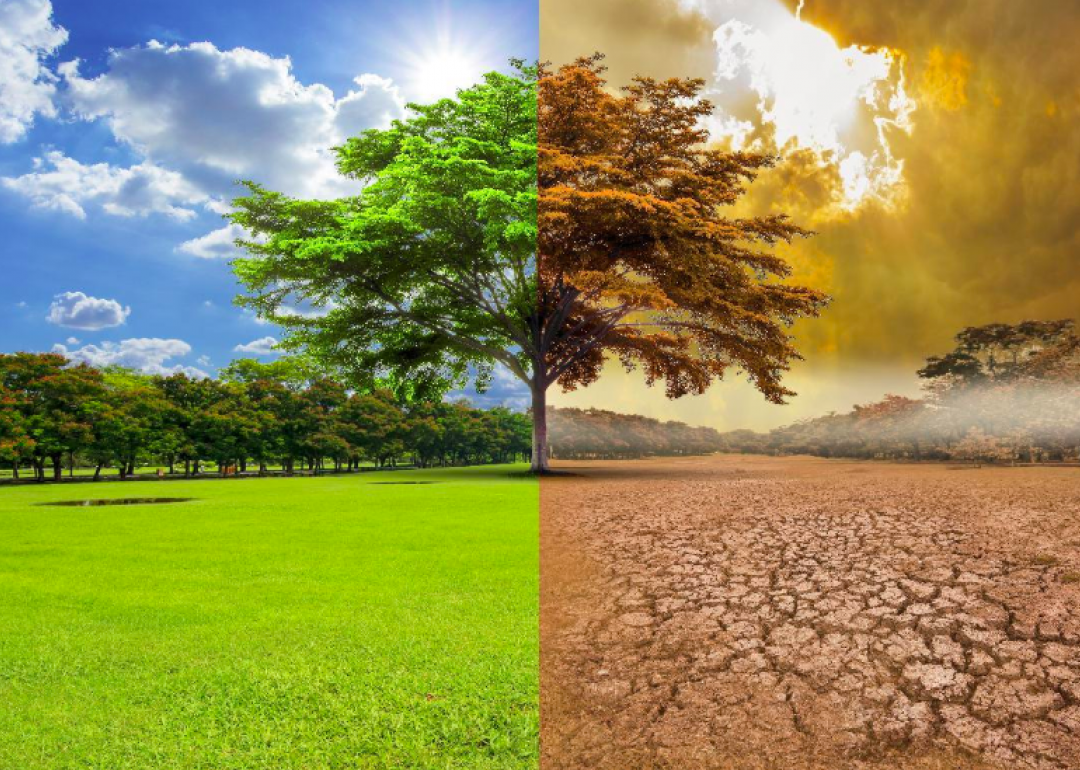
Balochistan has faced extreme weather conditions this year as a result of climate change. Moderate to severe drought-like conditions were followed by heavy rainfall — nearly 500% greater than the past 30-year average. These unprecedented showers coupled with the rapidly melting glaciers led to severe flash floods that devastated the region. The UN’s Rapid Needs Assessment Report on Balochistan states that this year’s rains and floods have damaged 117,400 acres or 43% of crops and vegetables and around 35,000 acres or 30% of orchards in 10 surveyed areas.

This is symbolic on many levels as orchids are anciently known to represent fertility, beauty, strength and charm — all that has been ravaged by these extreme weather events. Apart from that, essential crops such as onions, tomatoes, cotton, maize, pulses and more have been negatively impacted. To make matter even worse, significant damage was noticed to farm-to-market roads. The entire ordeal will result in food shortages and further increase food security in already vulnerable regions of Balochistan. However, the government claims that the matter is under control as enough reserves are available to last till the next yield. It has also been promised that incentives will be given to farmers to minimise losses and encourage new crop growth. If implementation is successful, these measures will indeed help curb the immediate consequences of crop loss. But funds will be required to rebuild transport infrastructure, otherwise distribution will be difficult and prices will surge even further. In order to manage prices of essential food items and to reduce dependence on imports, officials must have a clear plan on how to regulate the supply of reserve crops. Hoardings of any sort must be dealt with severely.

These floods have become a yearly business. Therefore, the rebuilding phase will require the establishment of resilient systems and protective measures to curb losses. While local governments work on short-term mechanisms, the federal government must work towards developing a long-term strategy.

Source - https://tribune.com.pk

28.01.2026

Canary Islands tomatoes outcompeted despite EU agricultural support

Financial support remains essential to sustain agriculture in Europe's remote and island regions, but its impact on competitiveness and diversification varies strongly by sector and region. 

28.01.2026

India - Arecanut leaf spot disease affects 88,559 hectares in Karnataka; Rs 577 crore proposal sent to Centre

“Arecanut leaf spot disease has been seen on 88,559 hectares in Malnad, coastal and Shivamogga region,” Agriculture Minister N Chaluvarayaswamy said, replying to a question raised by BJP MLC Prathap Simha Nayak and Congress MLC Bilkis Banu in the Legislative Council on Tuesday.

28.01.2026

USA - New York’s Agriculture Department announces $3 million to boost workforce development initiatives

New York State Agriculture Commissioner Richard A. Ball has announced $3 million that is available to boost the development of a skilled workforce in New York’s agricultural and food systems industries.

28.01.2026

Jordan - $90.2mln disbursed in loans for 12,880 farmers in 2025

Director General of the Agricultural Credit Corporation (ACC) Mohammad Doujan, announced on Tuesday the corporation financed more than 12,880 farmers and investors in the Kingdom's agricultural sector during 2025.

28.01.2026

Fiji explores agricultural trade and innovation with Malaysia

Fiji is looking to strengthen its agricultural trade and innovation through closer cooperation with Malaysia.

28.01.2026

Canada - Governments commit $20M to strengthen agriculture

The Federal and Provincial governments announced they’ll be investing up to $20 million to support farmers and agribusinesses on Tuesday, January 20, 2026.

27.01.2026

New Zealand growers report limited crop damage but logistics disruption

Early reports indicate that most growers in New Zealand came through the recent heavy rain and flooding with limited impacts, according to Horticulture New Zealand chief executive Kate Scott. While the weather created operational challenges, there have been no widespread crop losses or major damage to orchard infrastructure reported so far.

27.01.2026

USA - Row crop farmers continue to face financial stress amid federal payments

As the U.S. Department of Agriculture prepares to give $11 billion to farmers across the U.S., row crop producers are continuing to see a yet another year of financial strain.