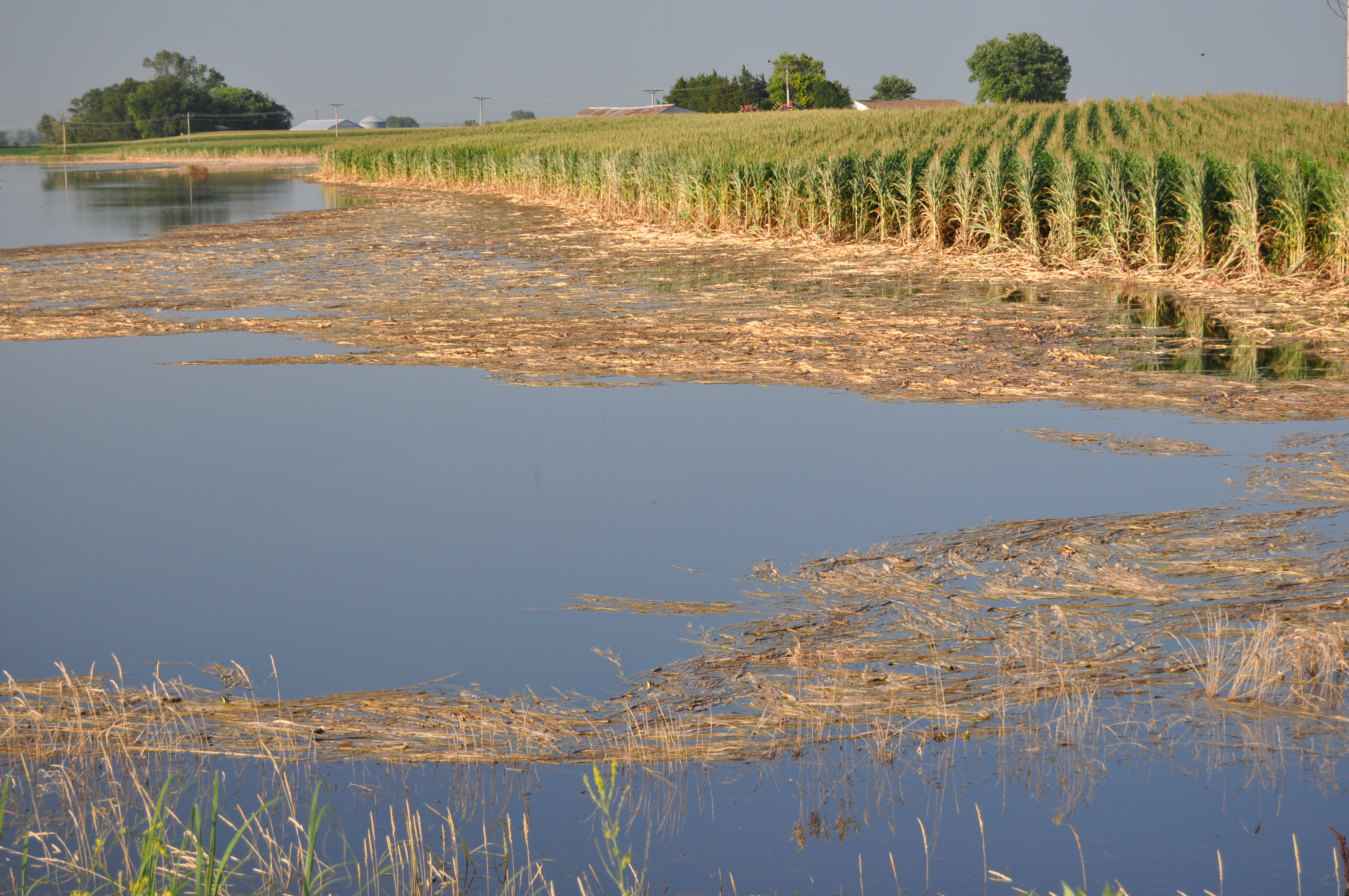
The toll of extreme flooding on Pakistan’s food security is becoming apparent: large swathes of farmland under water, crops and stockpiles washed away, homes and livelihoods wiped out.
The government warned that a food crisis is looming. Rains and deadly floods have damaged rice and cotton crops, along with vegetables like onions and tomatoes. They also threaten wheat planting in the coming months at a time when the world can ill afford another disruption to grain supply.
Global prices of kitchen staples soared following Russia’s invasion of Ukraine, driving food inflation to a record. The catastrophic flood could be a $10 billion hit to a Pakistan economy already in crisis. The damage to food supplies will probably boost the nation’s need for imports and increase the pressure on global agricultural markets.
Maula Bux, 24, was helping his father, a farmer in Sindh province, push a boat carrying 60 kilograms of wheat through knee-deep water. They’re moving the grain from their flooded mud house to a tent the family is now living in.
“We stored about 50 bags of wheat at home but at least 40 of them got wet. We were barely able to save these few bags for our family’s consumption,” he said. “There is no ration shop here. What will we do? What will we eat?”
Pakistan, among the most vulnerable globally to climate change, has seen the highest rainfall in at least three decades. About a third of the country is currently flooded, the government estimates, and about 1,200 people have lost their lives. Around 40% of the labor force rely on agriculture for employment, while the sector represents about a fifth of the economy.
“The agricultural sector is in turmoil. The cotton crop and vegetables are completely wiped out in many key areas,” said Pakistan Businesses Forum Vice President Ahmad Jawad, who grows wheat, maize, citrus and sugarcane. “Wild weather just can’t give us a break. First the heat wave, now floods.”
As much as half of Pakistan’s cotton crop has been damaged by the torrential rains, Planning Minister Ahsan Iqbal said on Tuesday, citing preliminary estimates. The country is the fifth-largest cotton producer, accounting for 5% of global output. The damage could further shrink the world’s cotton supply.
Food costs have jumped in Pakistan, with tomato prices surging fivefold and onions tripling since last month. Steps are being taken to import vegetables and other items from Iran and Afghanistan. Pakistan is also considering a temporary land route to allow duty-free shipments from arch-rival India.
“The two neighboring countries have issues but a humanitarian crisis comes first,” Jawad said. “India has a surplus of vegetables so it’s a win-win.”
International aid is also trickling in. The World Food Programme is working to expand food assistance to Pakistan, aiming to reach about half a million people in the badly-hit provinces of Balochistan and Sindh.
Along the Indus Highway, which leads to Karachi, dozens of trucks loaded with relief goods were seen heading to the flood-hit areas, with some throwing packets of food to children.
Still, floodwaters are restricting access across the country, with more than 100 bridges and about 3,000 kilometers (1,864 miles) of roads damaged or destroyed. Almost 800,000 farm animals have perished, and 2 million acres of crops and orchards have been hit, according to the United Nations.
“The floods have broken multiple bridges so supplies from Iran will not reach Pakistan’s main population center in Punjab province,” Jawad said. “Indian imports are needed to help bring prices down.”
Pakistan already has one of the fastest inflation rates in the region, with consumer price gains rising to a 14-year high of almost 25% in July. The August print is due for release on Sept. 1.
Sowing next year’s wheat crop, which starts in October, will be another challenge. Pakistan is already in talks with Russia over importing wheat, Prime Minister Shehbaz Sharif said last month in parliament. Even before the floods, the country was facing a wheat shortage of about 2.6 million tons.
The direct crop loss to flood damage is $2.3 billion, according to an estimate by Uzair Younus, director at the Atlantic Council’s Pakistan Initiative and economist Ammar Khan.
Source - https://www.bnnbloomberg.ca