Pakistan's major national food security policy goal is to grow enough wheat to not only meet its consumption needs but also create a surplus for buffer stocks and export.
To achieve this, the government annually sets national sowing, output and procurement targets before planting begins. This policy worked well and the country more than doubled its wheat production between 1990 and 2011. Since then, however, wheat production has hovered around 26m tonnes, peaking to above 27m tonnes in 2021.
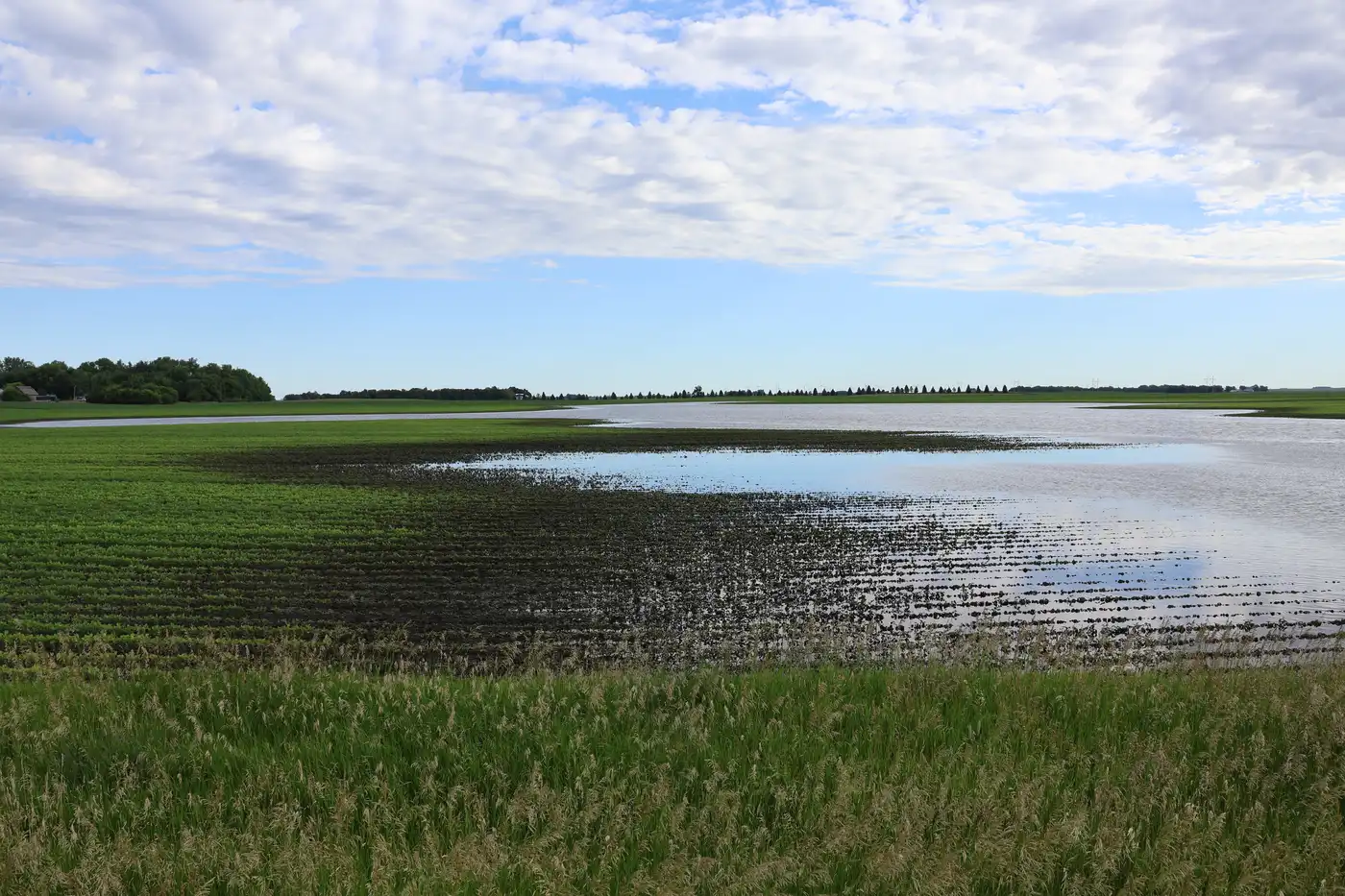
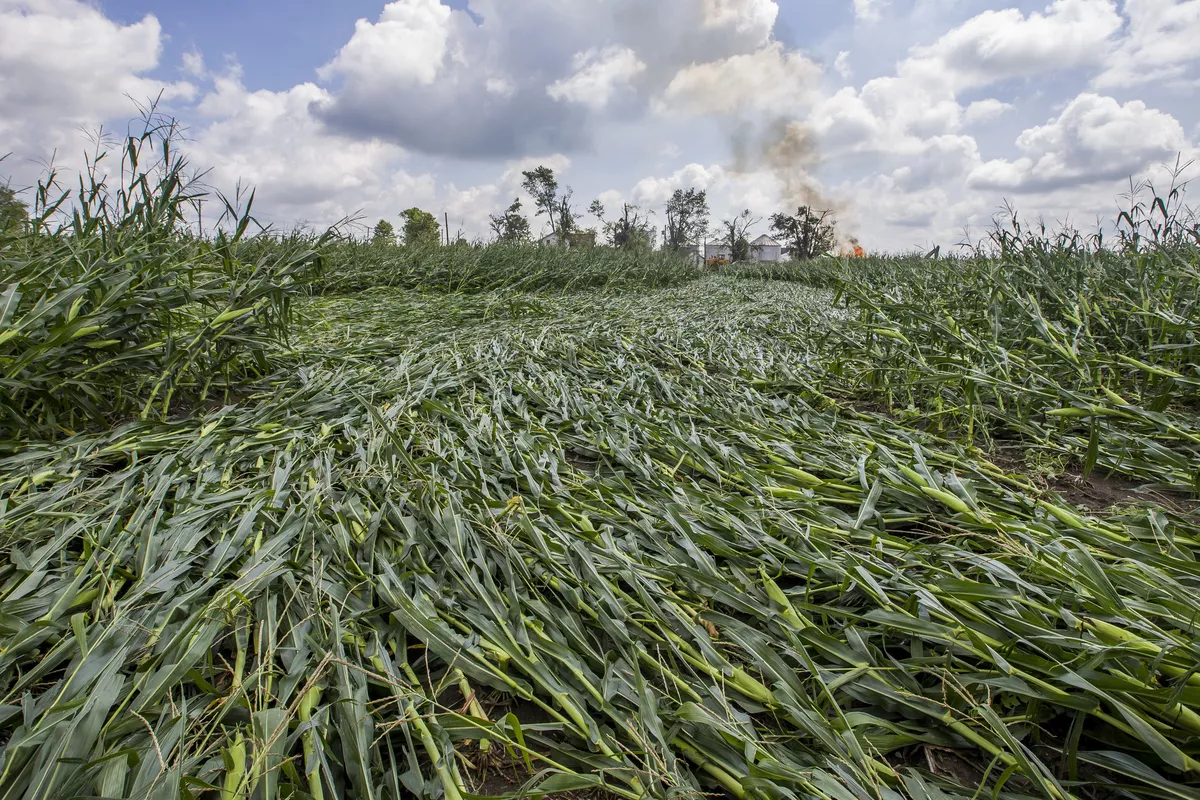
The government had set a target of 28.4m tonnes for the current harvest, an ambitious goal considering that last summer’s flooding left vast swathes of Sindh and some parts of South Punjab and Balochistan uncultivable.
Now the government has knocked down its original production target to 26.81m tonnes against the required 30-31m tonnes. It is sad that Pakistan has become a net wheat importer from a small exporter as it has been importing nearly 3m tonnes of grain every year to meet national needs for the last few years.
The reasons for this shift are obvious: climate change, low yields, lack of research, land fragmentation, poor international wheat trade policies, low mechanisation, high harvest losses, lack of proper storage, etc.
With the population likely to double by 2050, and volatility becoming a regular feature of international commodity markets, our increasing dependence on imports should be a cause of serious concern to policymakers.
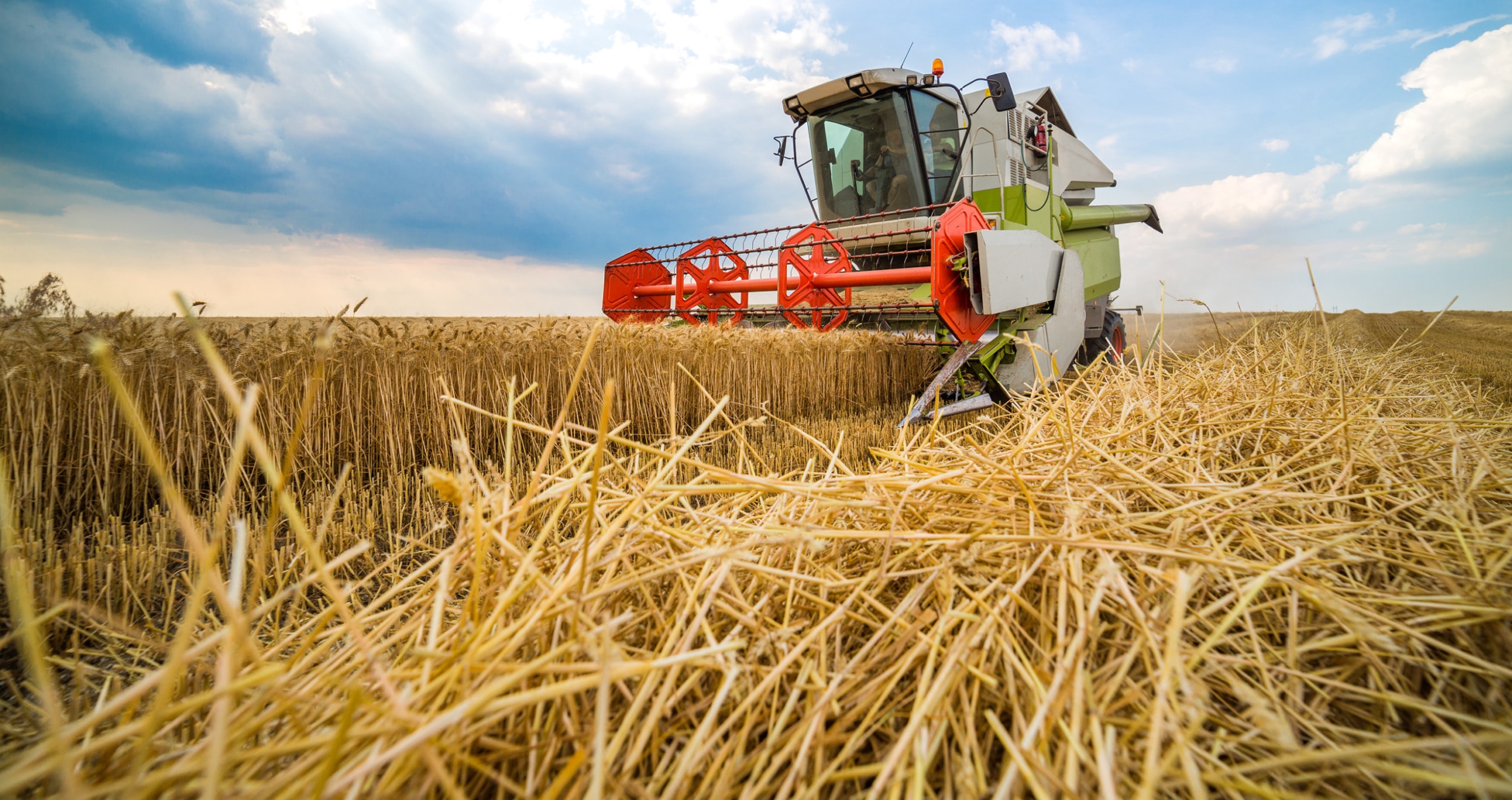
The only option for Pakistan is to increase wheat production. We can nearly double production by boosting the wheat yield from below 31 maund per acre to 58 maund per acre, equal to the average output in Indian Punjab. That will not happen overnight but it should not be too difficult and can be pulled off through changes in the production system, such as reduced tillage, increased use of certified seeds, and a better match between fertiliser applications and soils.
There is also massive potential to reduce on-farm and off-farm crop losses through improved harvesting, bulk handling and storage in modern silos. Additionally, there’s a need for making domestic and international wheat trade flexible.
With large numbers of people facing moderate to severe hunger, and food imports soaring to nearly $10bn during the last fiscal, we are already running out of time to fix our farm sector in general and our wheat economy in particular.
Source - https://www.dawn.com