Pakistan - Farmers devastated as floods destroy cotton crop in Sindh

04.08.2022 1088 views

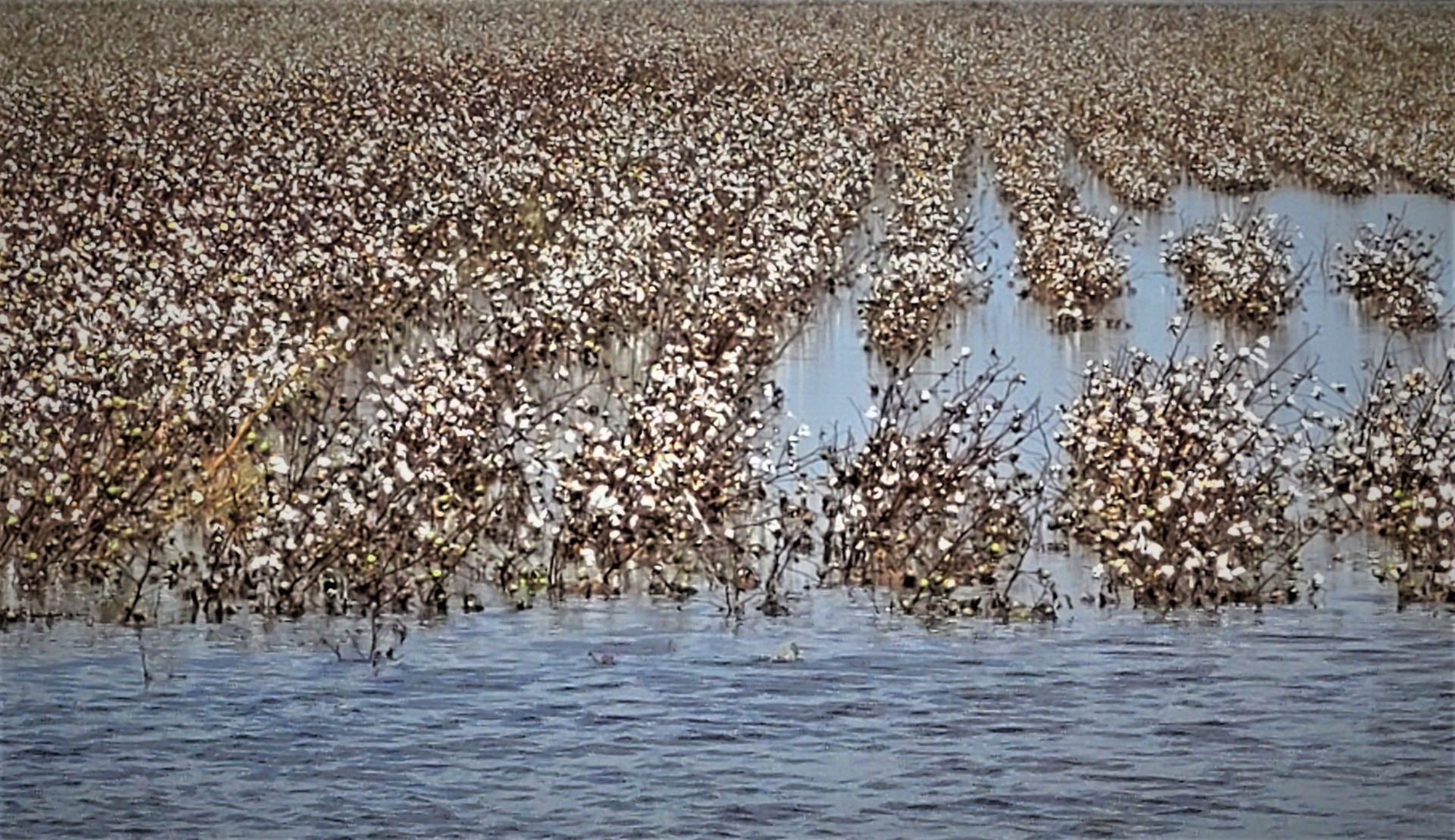
Pakistani farmer Sajid Ali wades glumly through his flooded cotton field after days of torrential monsoon rains let up, surveying the irreversible damage.

“My crop is almost totally destroyed, all six acres of it. There is no hope left, because even now the fields are covered in four feet of water,” he said from Masoo Burburi, a tiny village in the province of Sindh.

Southern Pakistan has been hit hard by floods after unusually heavy monsoon rains this year. Scores of people have been killed and hundreds of homes have been swept away.

Around 50 villages in Sindh were inundated, reported local media, after flash floods from the neighbouring province of Balochistan flowed over, destroying thousands of acres of agricultural land and orchards.

Ali’s village was one of those hit hard. Around 60 families call it home, mostly engaging in agricultural work, planting cotton, wheat and chilies.

The region has been suffering from drought for decades and the monsoon rains were always welcome. But this year, it was too much of a good thing and now, farmers like Ali are at a loss as to what to do.

“I had taken out a loan for sowing this crop. But now I have to go and work on someone else’s land because we can’t make ends meet on what is left of the crop,” Ali said.

According to Ali, his crop was worth around $7,500, over four times Pakistan’s current per capita income of $1,666, according to the country’s statistics bureau.

Rana Shakeel Ahmed, a village elder, described the loss as substantial and said no help from authorities had been forthcoming.

Rescue authorities have said help had been delayed because large amounts of infrastructure had been destroyed by continuous and heavy rainfall, with a road linking Sindh and Balochistan completely cut off.

Source - https://dailytimes.com.pk

04.06.2026

India - Delhi raises crop damage compensation after 10 years by over 50% to Rs 75,000 per hectare

In a major relief for farmers, the Delhi government has increased compensation for crop loss caused by rain and hailstorms from Rs 20,000 per acre to Rs 75,000 per hectare.

04.06.2026

Why Tech-Driven Agro-Insurance Has Stumbled in Ethiopia

For decades, Ethiopia’s agricultural sector has remained trapped in a dangerous paradox. 

04.06.2026

UK - Rural crime cost Wales £2.2m last year despite fall in offences

Rural crime cost Wales an estimated £2.2 million last year, with organised criminals continuing to target tractors, livestock and farming equipment despite an overall fall in offences, according to a new report.

04.06.2026

Kenyan Agro-Insurance Startup, Pula Raises US$ 20 Million in Series B Round

Pula, a Kenyan startup that offers insurance to small-scale farmers, aims to serve more than 100 million farmers in Africa after raising US$ 20 million in its Series B round. 

04.06.2026

USA - USDA announces $52M to boost public access to private lands for hunting, fishing

The U.S. Department of Agriculture is announcing $52 million to help state and tribal governments encourage private landowners to allow public access to their land for hunting, fishing and other wildlife-dependent recreation through the Voluntary Public Access and Habitat Incentive Program (VPA-HIP). 

04.06.2026

Hope Grows in Malawi’s Grain Stores as Farmers Battle Post-Harvest Losses

Some grain rots in poorly ventilated storage. Some is eaten by pests. Some is damaged during drying or transportation before it ever reaches the market.

03.06.2026

Canada - AFSC extends several northern Alberta seeding dates for 2026

Alberta’s Agriculture Financial Services Corp. (AFSC) is extending the recommended seeding dates in the province’s northeast, northwest and Peace regions for several crops for the 2026 growing season only.

03.06.2026

India - Elephants run amok in Konaje agricultural farm, cause massive crop damage

A herd of elephants, including calves, wreaked havoc on an agricultural farm belonging to Yashodhara Gowda at Pallattadka in Konaje village of Kadaba taluk.