

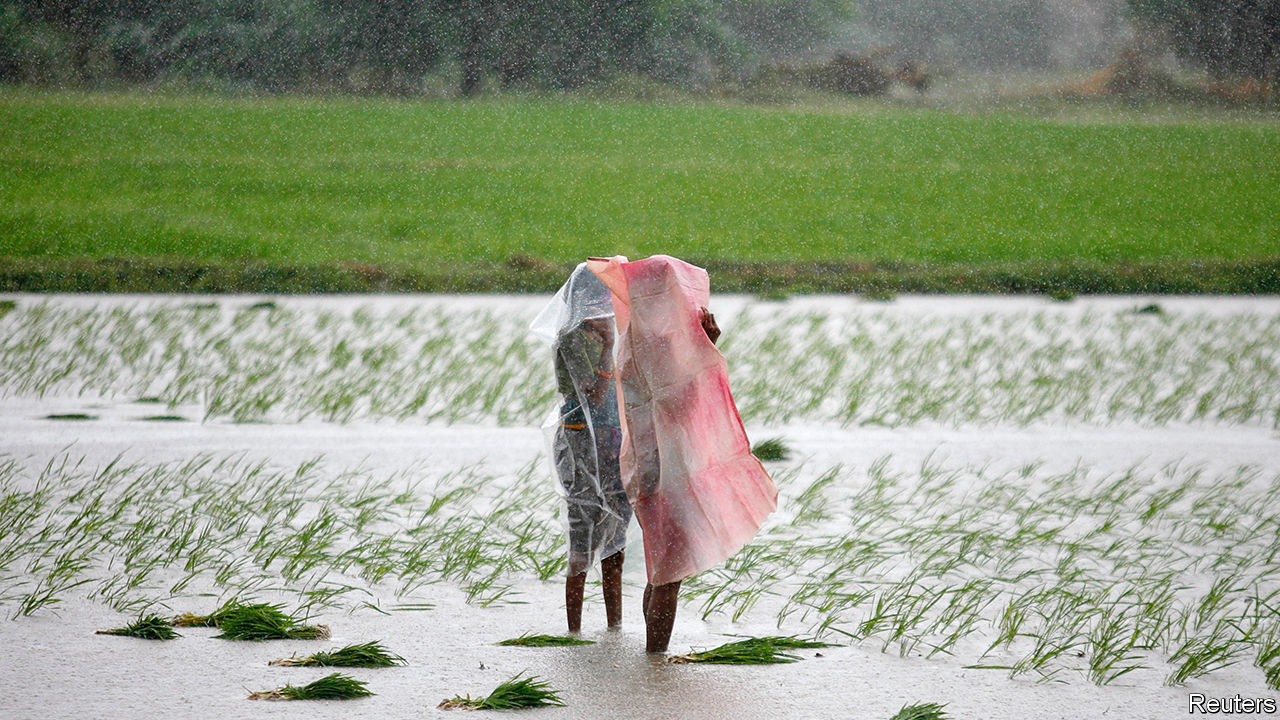
The unusual heavy monsoon rains and devastating flash floods have estimated to cost cash-strapped Pakistan's economy over USD 4 billion in the current fiscal year as the calamity has badly hurt agricultural activities in Sindh and Balochistan, according to a research report. While it is early to assess the actual impact, Pakistan, where agriculture has a 23 per cent share in gross domestic product (GDP), can remain highly vulnerable in the aftermath of the floods that have killed nearly 1,000 people and injured and displaced thousands more since mid-June.
The monsoon season, which began in June, has lashed Pakistan with particularly heavy rains this year and rescuers have struggled to evacuate thousands of marooned people from flood-hit areas. The crisis has forced the government to declare a state of emergency in parts of the country.
The repercussions of flash floods may include higher imports, compromise on exports and rising inflation, which will undermine efforts of the government to tackle the macro headwinds, The Express Tribune newspaper reported.
"Based on our preliminary estimates, the current account deficit may increase by USD 4.4 billion (1 per cent of GDP) - assuming no counter-measures are taken, while around 30 per cent of the CPI (Consumer Price Index) basket is exposed to the threat of higher prices," the daily reported, citing a report by JS Global Research.
The situation may force the government to make additional imports of cotton worth USD 2.6 billion, wheat worth USD 900 million and the country will lose textile exports of around USD 1 billion. This comes to around USD 4.5 billion (1.08 per cent of GDP) in the current fiscal year 2022-23. Owing to the flash floods, the consumers are expected to face supply deficit of household groceries such as onion, tomato and chilli, the report said.
The worst affected crop is cotton. Farmers produced 8 million bales in the previous fiscal year, but now they will again have a poor crop, like previous years, amid heavy rainfall in Sindh. "Cotton sowing has reportedly been destroyed to a large extent (in Sindh), it said. "Assuming the country requires import of cotton to fulfill 80% of demand this year, the import bill will likely exceed USD 4.4 billion (+144% year-on-year) in FY23.
On the other hand, any unavailability of imported raw cotton or other unprocessed textile will negatively impact the country's textile exports," the research house said.
Rice is another crop that is expected to endure massive damage in the ongoing floods. It is among the few crops where the area under cultivation has increased significantly in the recent past (+20% in two years). It contributes USD 2.5 billion in annual exports. "Damage to rice crops will result in loss of exports, in addition to a slight reduction in GDP growth and higher CPI inflation."
As water from the flash floods is believed to take two to three months to disappear, the aftermath is likely to result in delay in wheat and edible oil seed sowing. Delay in wheat plantation will be a double blow as many farmers have already switched from wheat to edible oil seed cultivation. Moreover, the post flood situation is also expected to negatively impact the yield of upcoming wheat crops. With the delay in sowing and higher wheat import prices, the import of 15 per cent of wheat demand of 30 million tons may take its import bill to USD 1.7 billion in FY23.
Alongside crops, more than 500,000 livestock have reportedly perished in the floods. This will add to the burden on the rural people, already reeling from higher diesel and fertiliser prices, and will lead to the shortage of milk supply. Moreover, the shortage of livestock, coupled with the probability of disease outbreak among the cattle, can also cause the scarcity of meat. Besides, tomato prices have already started increasing due to the monsoon.
This together with wheat, edible oil, milk and meat hold 18 per cent weight in the CPI basket. It poses the risk of high food inflation (at 28%; 13-year high). "Any risk to food security, shortages and bottlenecks in the supply chain will cause an increase in our existing FY23 CPI estimate of 21 per cent. We expect fertiliser, banks, tractors and oil marketing companies to be among the sectors that will be negatively impacted by the flash floods," the report said.
Source - https://economictimes.indiatimes.com










