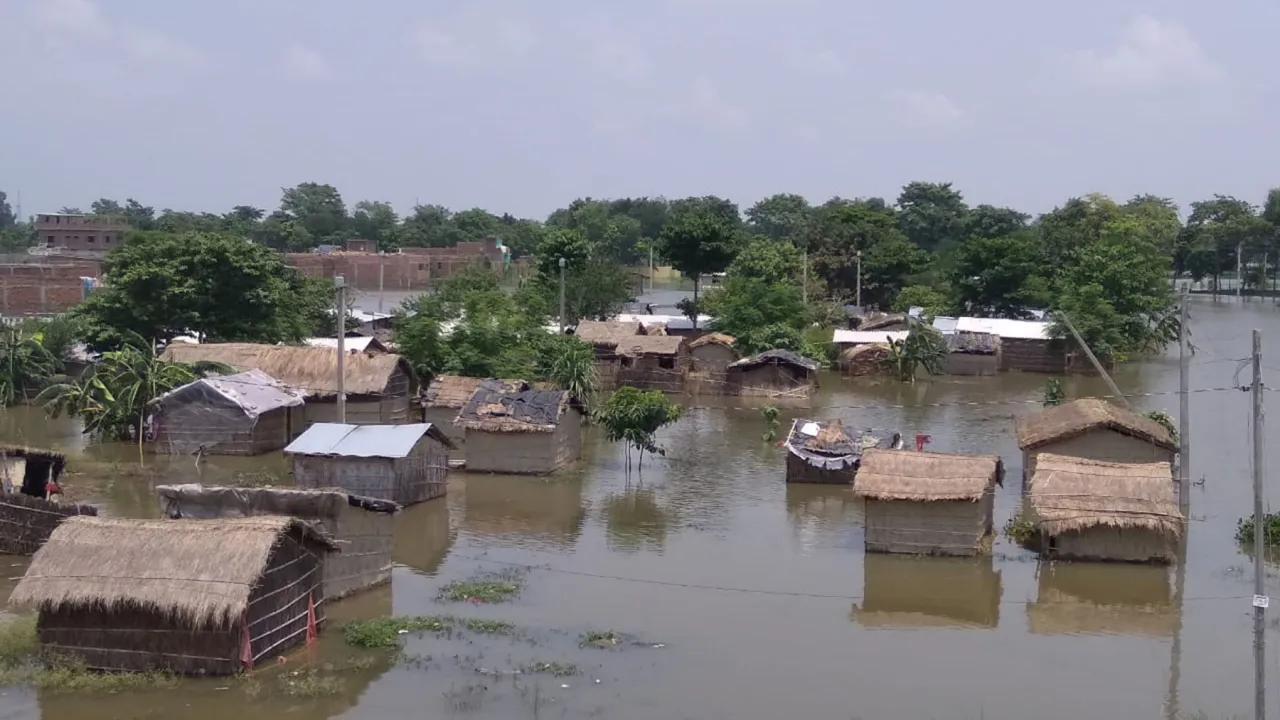
Almost one-fifth of Pakistan’s area suffers due to floods. As already seen, floods massively damaged all provinces, but major damage has occurred in Sindh. Both Baluchistan and KPK face huge infrastructural damage. Death and migration severely affected almost 1500 deaths, and 20 million migrations happened. There are many factors that have been slowing economic growth for the long term.
The drastic impact of flooding damages the economy not only in the present but also in the future. Sindh after Punjab contributes a major part of GDP through the agricultural sector. In Sindh, the agriculture sector has a major direct and indirect impact on economic growth. A major part of the crop has been flooded. With food loss, food security and running out of food increase. So, to meet the domestic demand for food, imports increase. In the future, imports of goods will increase, even necessary goods as well. Food security increases and, on the other hand, prices of goods are also affected by these tragedies.
On the other hand, sources of income in all provinces were affected. Poor people can’t afford high prices on necessities because they have lost their source of income and wealth. In KPK, the affected area’s main source of income has been tourism, which was mainly damaged by flooding. It will lead to a high price of goods not only in the affected area but other areas as well.
High prices of goods create difficulties in finding secure shelters for affected families because winter is on the way. On the other hand, waterborne diseases and other health problems are raised in affected areas. There is no doubt illegal activities will be raised in the future as well. Poor people face difficulties feeding their families, which leads them to engage in criminal activities.
Due to the high level of water, people are strict about staying on roads. They lost their food storage and are fully dependent on donations and aid. Not only food, major crops like wheat, rice, sugar, and livestock are all gone. Sindh takes a major part in the production of spices, but floods destroy all the production.
The dollar rate will increase and the Pakistani rupee will be more devalued. Domestic imports of goods increased, with prices of fruits and vegetables rising because Sindh contributes significantly to food loss due to flooding. Another major problem is that we are failing to find a way for water drainage because Muncher Lake and Indus River water levels till two months will be the same as in the preliminary survey.
Major things about soil devastation after the flood effect. It takes time to reimburse the production level with full minerals. However, no major crops or necessities of life can be harvested until the next production season. A significant amount of basic food will be imported from other countries. The United Nation’s World Food Program (WFP) and many other agencies and foundations facilitate the affected areas with food and aid. WFP anticipates that 1.9 million people will face food insecurity in affected areas in the coming months.
Source - https://dailytimes.com.pk