Panama - Delays and drought not only affect Panama Canal but fresh produce growers in the country too

15.08.2023 475 views

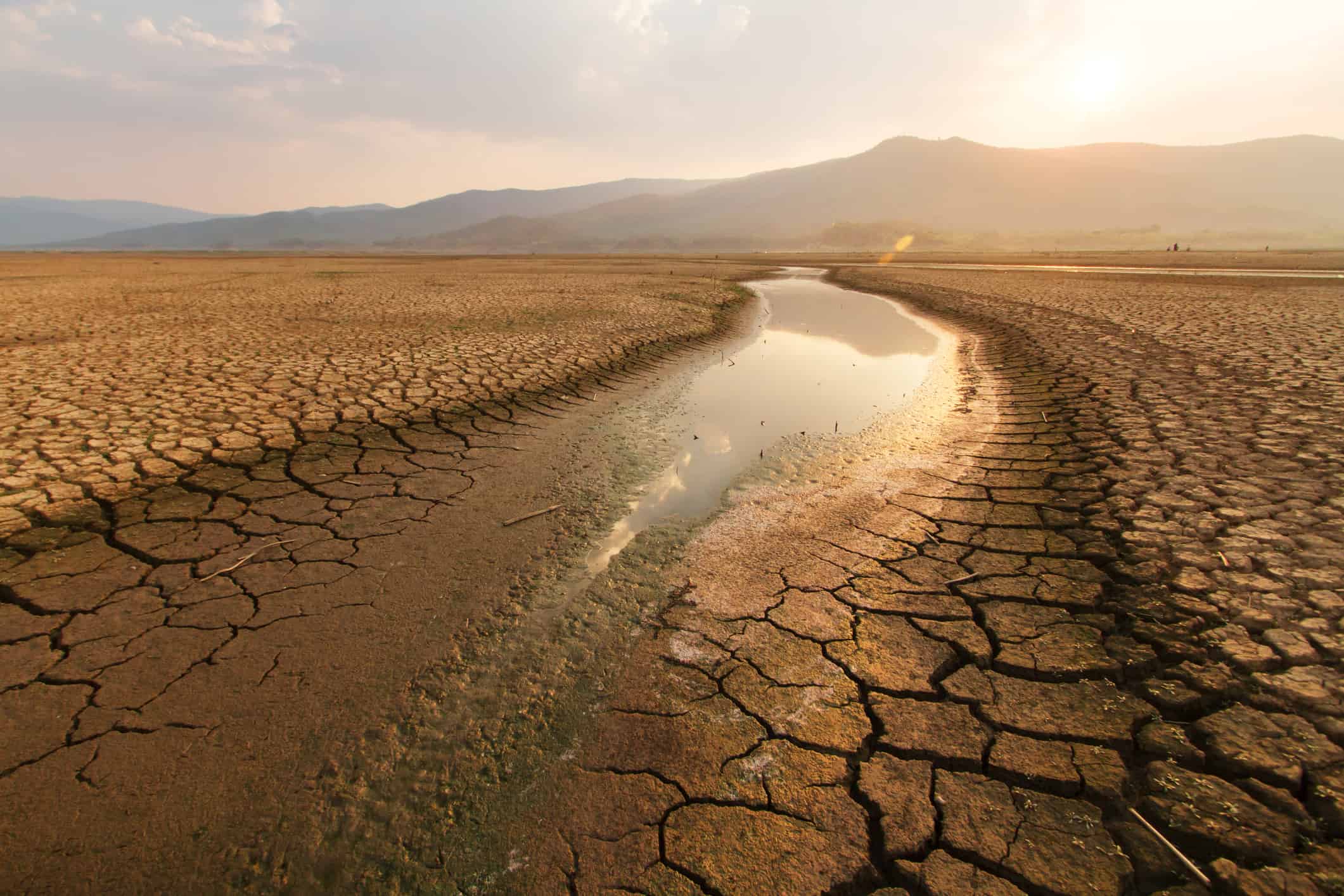
Spare a thought for the growers of fresh produce in the Republic of Panama who are facing challenging circumstances due to the drought. Amidst the world focus on the increasing shipping delays due to lower water levels in the Panama Canal, it is easy to forget that residents and producers of fruit in the country are battling the drought conditions too.

The drought across large parts of South America including Panama is becoming a serious problem for producers says Ing. Eliezer Dominguez owner of Capitan Piña, a pineapple grower in Panama. According to him the drought and resultant lack of rain is becoming a major challenge for producers in the country. “What is really affecting us is the dry season, there is not enough rain and the performance to reach big sizes in pineapples are getting difficult. Also the cost of production is increasing because we are forced to use other alternatives to help our plantation to avoid water stress due to the high temperatures.”

The Panama Canal Authority has advised in a recent statement that due to the lower water levels they are only allowing an average of 32 vessels per day to go through instead of the normal average of 37 a day. This is causing delays on both sides of the canal with around 150 vessels said to be waiting to take the 82 km shortcut connecting the Pacific and Atlantic Oceans. This major shipping route has started to see delays of up to 2-3 weeks per vessel according to shipping experts.

Dominguez, a former shipping captain from Panama who became a pineapple farmer, says at this stage the delayed shipments and restrictions through the Panama Canal are not affecting their export shipments. “Well basically the situation with draft is not affecting us because the restrictions are for ships above 10 mts draught. The common ship that carry our containers are ships with draught less than 10 mts,” he concluded.

Source - https://www.freshplaza.com

20.01.2026

Maltese hailstorm damages vegetable crops in Rabat and Dingli

Farmers in Rabat and Dingli reported widespread crop damage following a sudden hailstorm that hit the area overnight on Saturday. 

20.01.2026

New Zealand - Storms cause $10m in crop losses

Arable growers are reeling from up to $10 million in crop losses after a trio of widespread hail storms whipped through Canterbury farms.

20.01.2026

Romania - Agra Asigurari launches the 2025-2026 agricultural season with solutions for unpredictable climate

Agra Asigurari, the national leader in agricultural insurance, is launching the new sales season for the 2025-2026 farming year. The announcement comes at a challenging time for Romanian farmers, marked by the intensification of extreme weather events, which are affecting crops earlier and earlier, causing considerable losses for farmers.

20.01.2026

USA - Federal Crop Insurance Changes Good for Producers

Two major changes are coming to federal crop insurance. There are two major changes to federal crop insurance.

20.01.2026

Payments by Azerbaijan Agricultural Insurance Fund 43% up in 2025

Last year, the Agricultural Insurance Fund of Azerbaijan paid farmers 9.147 million manats ($5.38 million) in insurance compensations.

20.01.2026

Ukraine launches state support for farmers’ agricultural insurance

The state budget for 2026 allocates ₴60M ($1.43M) for agricultural insurance assistance, the first time that this support has been offered. 

19.01.2026

FAO issues new guidance on food safety risks linked to climate mitigation chemicals in agriculture

As governments and agribusinesses race to curb greenhouse gas emissions while feeding a growing global population, the UN’s Food and Agriculture Organization (FAO) has released new guidance to help policymakers and industry assess food safety risks linked to emerging climate-mitigation chemicals used in agriculture.

19.01.2026

Indonesia pushes agricultural downstreaming to boost farmers’ income

Agriculture Minister Andi Amran Sulaiman has called on regional governments to accelerate downstreaming of local agricultural commodities - particularly coconuts, cashew nuts, and cocoa - to increase added value and raise farmers’ incomes.