As the climate continues to change, the risks to farming are only going to increase. That's the key takeaway from a recent paper published by a team that included UC Merced and UC Agriculture and Natural Resources researchers. The paper dives into what those challenges are, how farmers are working to address them, and what should come next.
"Climate Smart Agriculture: Assessing Needs and Perceptions of California's Farmers" was first authored by Samuel Ikendi, academic coordinator, with Tapan Pathak, UC Cooperative Extension climate adaptation in agriculture specialist, as a corresponding author. Both are based at UC Merced. Pathak is also a project director of National Institute of Food and Agriculture-funded project "Multifaceted Pathways to Climate-Smart Agriculture through Participator Program Development and Delivery," which supported this study. The study appeared in the open access journal Frontiers in Sustainable Food Systems.
The needs assessment was designed to understand farmers' perceptions and experiences with climate change exposures; the risk management practices they currently use; and what tools and resources would assist them in making strategic decisions.
Of the farmers surveyed, roughly two-thirds agree climate change is occurring and requires action. Even more said they are interested in learning more about the impacts of climate change on the agricultural industry. Most respondents said they experience greater climate change impacts on their farms today compared with 10 years ago.
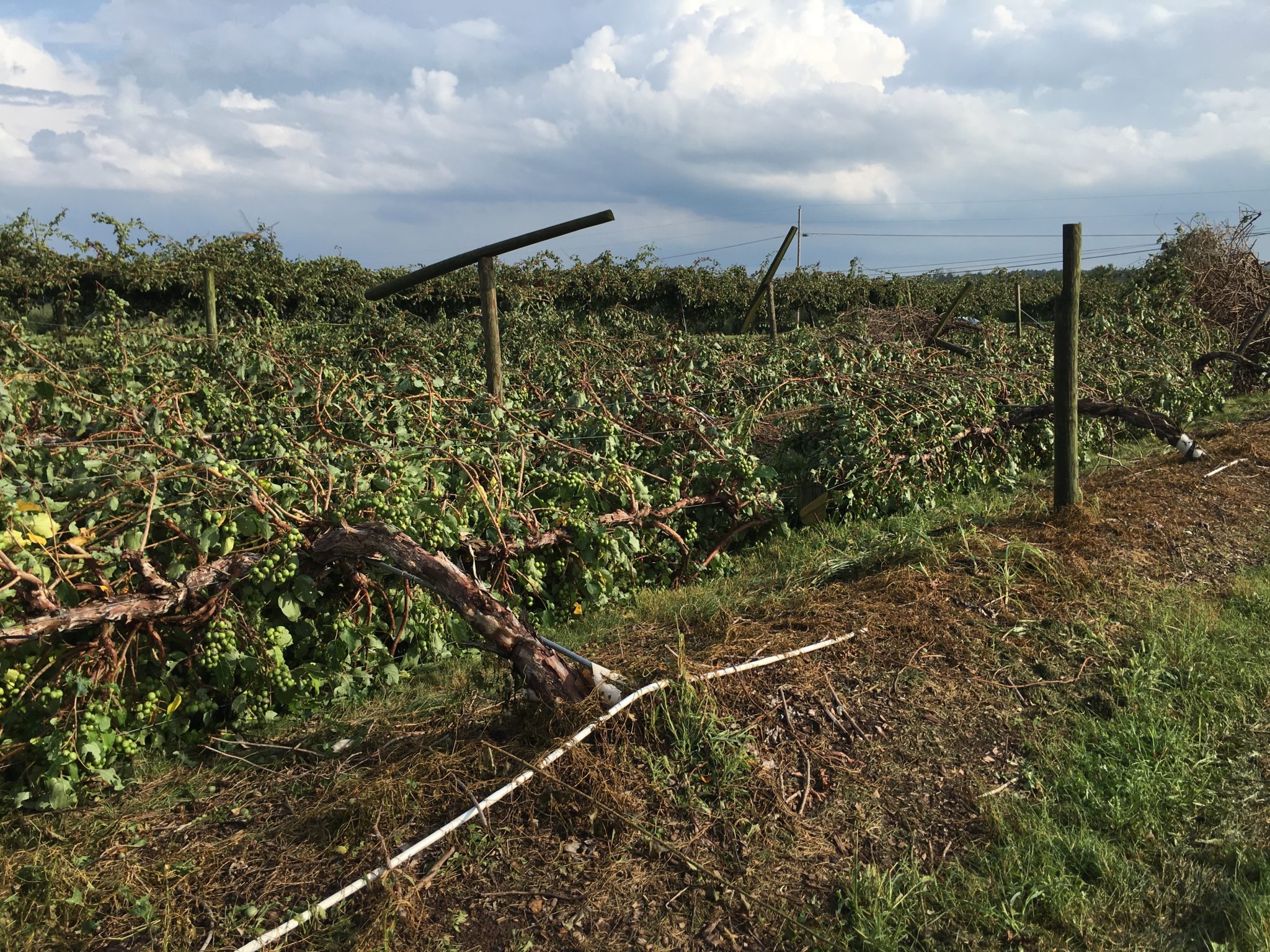
Farmers were very concerned with water-related issues, with those in the San Joaquin Valley, Central Coast and Inland Empire areas particularly worried about a reduction in the availability of groundwater. Increased drought severity was a very significant concern among farmers in the Inland Empire, Central Coast and Southern regions. Farmers in the North Coast and Southern regions were concerned about increased damage to crops due to wildfire.
Closely related were temperature-related issues, including crop damage due to extreme heat.
Those who farm vegetables were more concerned about water availability for irrigation, while fruit farmers were more concerned about increased crop/water stress and increased crop damage due to extreme heat.
Many respondents said they are implementing climate adaptation practices including managing water resources, maintaining soil health and making more use of renewable energy sources. They are seeking insurance and government help to pay for these adaptations and increase their agricultural resilience, the researchers wrote.
The farmers expressed interest in learning more about measures they might take to mitigate climate change. But they cited significant barriers to this work, including government regulations, high implementation cost, labour access/cost, access to water and the availability of money to pay for it.
"Climate change is significantly altering California's highly diverse agricultural landscape, posing challenges such as increased water stress, heat stress, and shifting growing seasons," Pathak said. "Climate-smart agriculture practices can alleviate some of those stresses."
But, he said, research and UC Cooperative Extension efforts only have value if they lead to enhanced climate-informed decision-making at the local level.
"Assessing their level of knowledge, perception and needs will help in tailoring research and extension activities that are most relevant to farmers on the ground," Pathak said. "Results from this study could also provide important policy insights on financial incentives and technical assistance."
Source - https://www.freshplaza.com