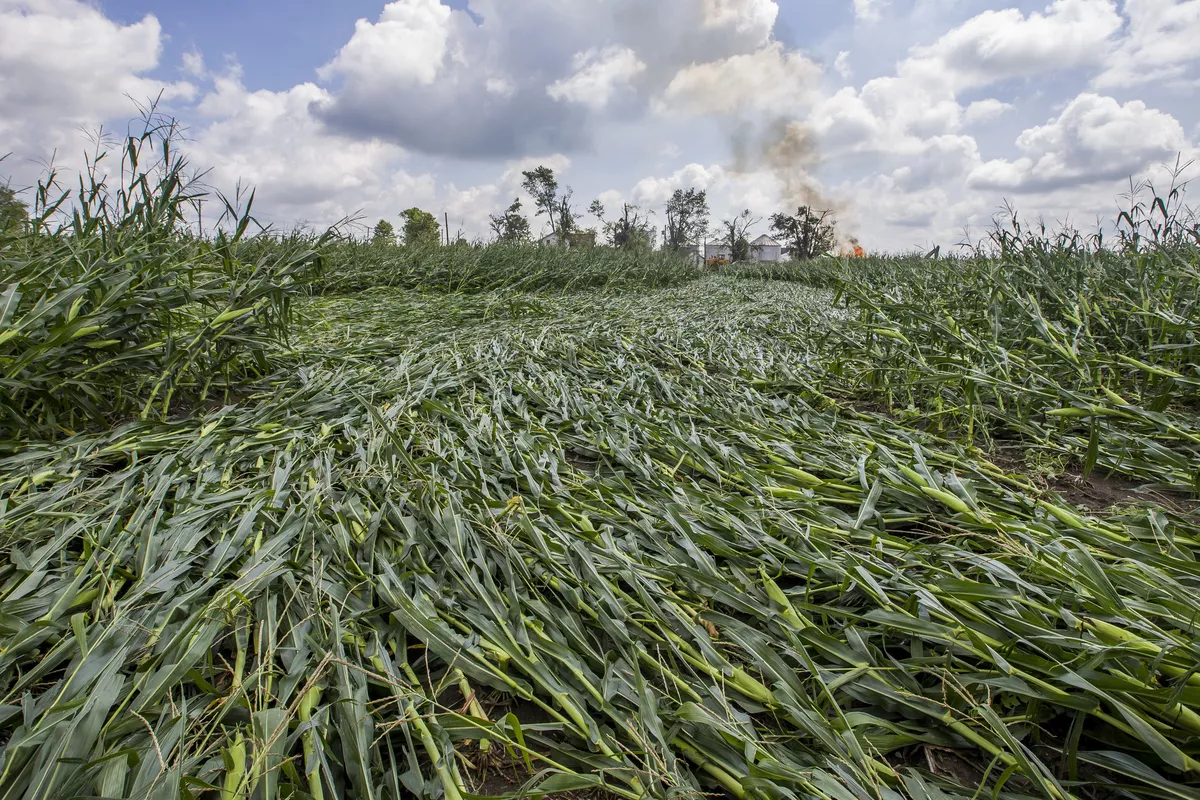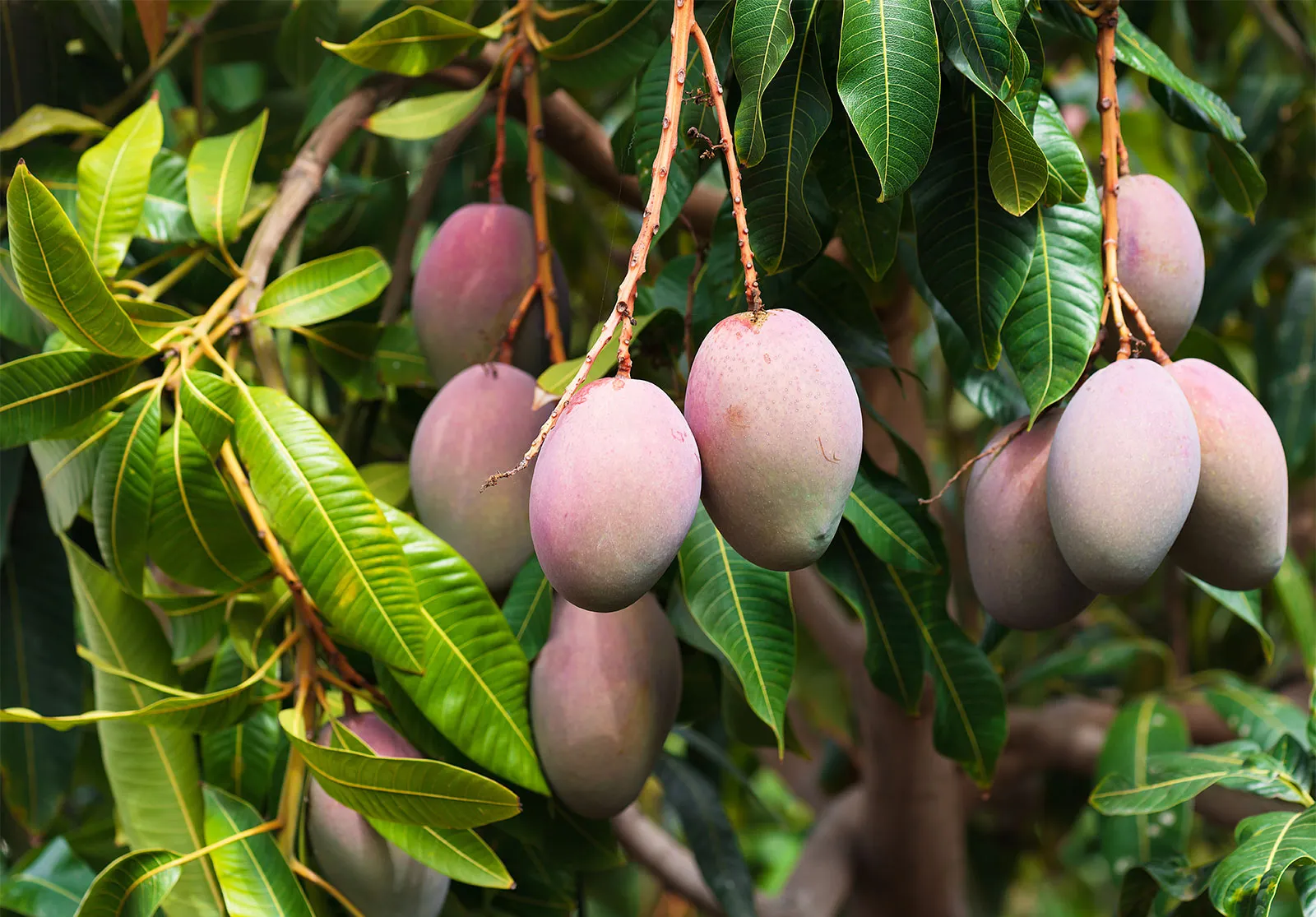
Peru’s mango industry will likely see up to 8,500 less export containers in the coming season due to negative effects on flowering from the hot weather caused by El Niño, as well as the after effects of the heavy rains earlier this year caused by cyclone Yaku.
According to Fernando Hidalgo, export manager of the Peruvian exporter Cultivemos, it has not been a normal year for many producers. “The conditions this year have been completely new in Peru and have broken previous paradigms, reframing what we know about the cultivation of mango. Indicators like daily minimum temperatures, low-temperature hours cumulative per day/month/season, and the application's calendar and recipes have proven insufficient.”
He says they have been working very hard with their growers since April: “It's been tough. Mango, lemon, and grapes are the most affected. On the other hand, new knowledge has been acquired and new practices applied on the farms that have proven effective but not executed timely enough. The support of our agronomic advisor Milton Calle has been key. Overall it's a year that has toppled the common knowledge and has promoted learning and experimentation,” states Hidalgo.
The effects of El Niño has becoming clearer on Peru’s mango orchards, with flowering seriously affected. “Now we understand that the effects we see already on the farms are the consequences of two main factors: The heavy rains the farms received during the Yaku cyclone in late February and early March. The hot weather we got during this last quarter due to the El Niño. Flowering has been low and the trees have suffered greatly, first for the rains and later for the hot weather. Most trees reached a stress threshold and are hormonally imbalanced. Therefore, working in those trees is very difficult! According to Calle, our agronomic advisor, the volumes for the next campaign should be around 30% of a normal year. It all depends on how early and how intense the rains will be.”
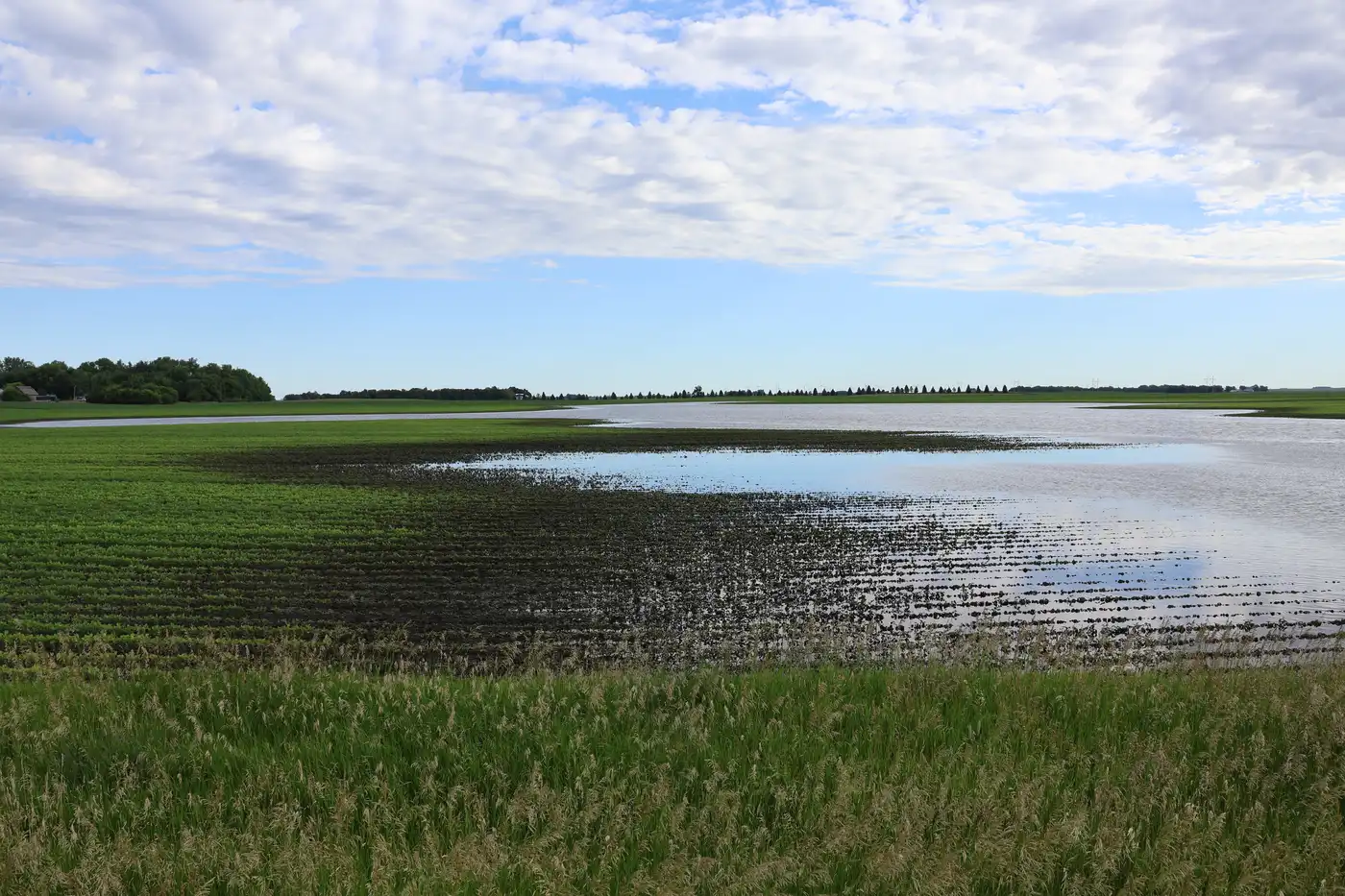
The effects of the heavy rain also affects so many factors in the mango trees says Hidalgo. “Water excess on the soil has been a crucial issue for production this year. Plants, respire, they need oxygen. However, not all tissues of a plant undergo photosynthesis. Roots must obtain oxygen from the soil. If the soil is heavily compacted or contains too much water, these pores will become completely waterlogged, and the roots will lack air to obtain oxygen, resulting in hypoxia. Therefore, the trees lack the appropriate conditions for flowering and production. For us, the key is to avoid hypoxia on the roots, good and sufficient maturation, avoid vegetative growth (there are various techniques), and try to make the buds accumulate the necessary days to produce, usually between 120 to 150 days (like countries with tropical weather do).”
Cultivemos is a Peruvian company based in Trujillo that specializes in exporting fresh fruits and vegetables, with over 15 years of experience. Hidalgo says they are the 15th largest exporter of fresh mangoes from Peru to Europe and the leading exporter to the Russian market through their partnership with Hoofdman Roodzant.
Hidalgo says the significantly lower volumes of mangoes expected will have a great effect on the workforce who depend on the harvest season. “Making fast calculations, with a deficit of 8,500 containers of mango this season, this income will be lost in the Peruvian economy. This will have a greater effect on low-income households that reside in the productive regions, since most of their yearly income comes from the mango campaign. We understand these conditions are abnormal, but with the knowledge gained this year, we have more tools to increase our production during adverse times. Our long-term plans remain steady and is clear that knowledge and technology will help companies succeed."
Source - https://www.freshplaza.com