Private insurers could begin sharing agricultural risks in 2027.
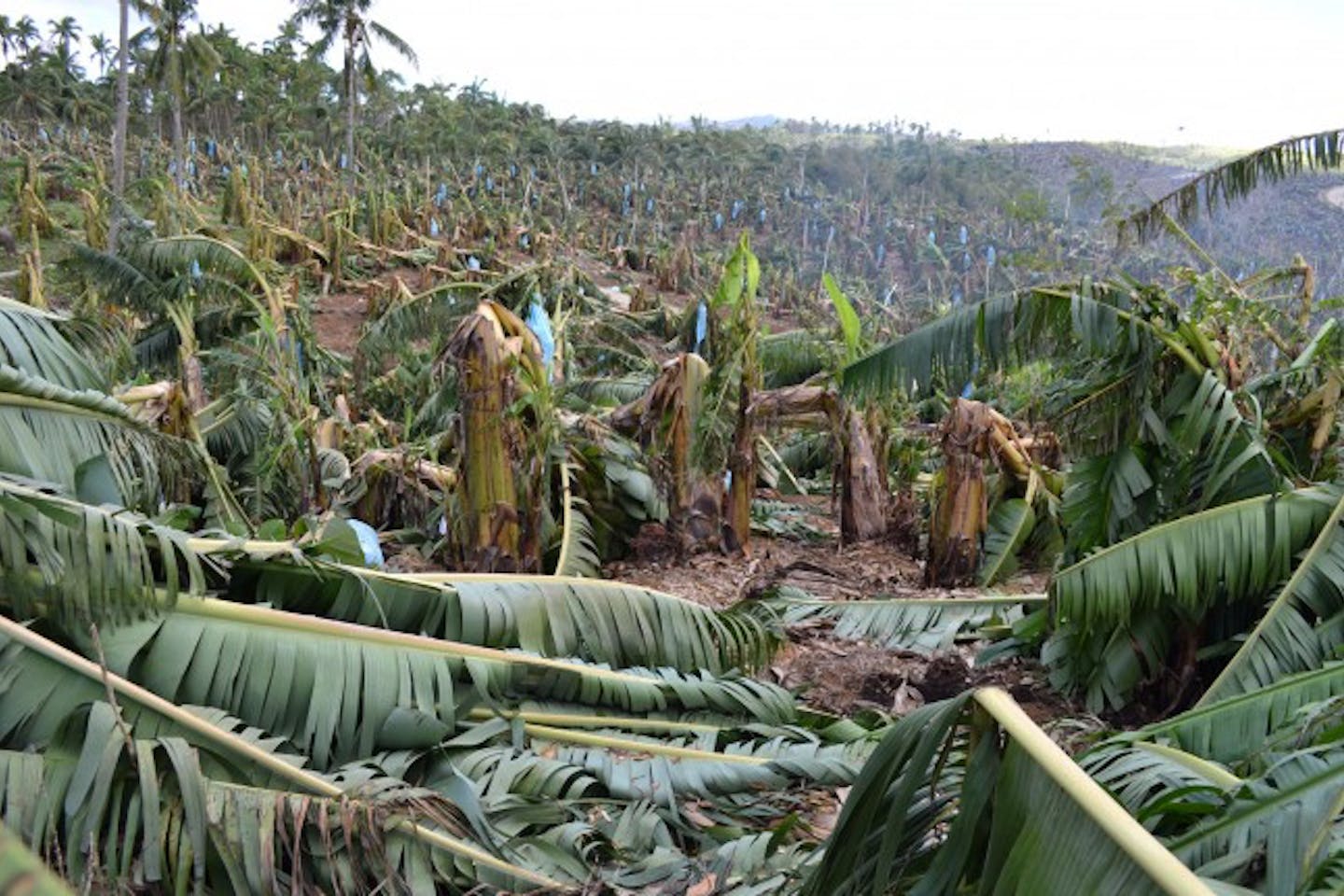
Agricultural losses in the Philippines' Central Visayas region have reached PHP 222.73 million, with regional authorities warning that damage could climb to PHP 490 million as El Niño conditions persist - losses mounting just weeks before the country is due to launch a new crop insurance pool that would allow private insurers to share risk with the state insurer for the first time.
The Department of Agriculture in Central Visayas (DA-7) estimates that regional agricultural damage could reach PHP 490 million under a worst-case scenario, prompting efforts to broaden financial protection for farmers and fisherfolk through the Philippine Crop Insurance Corporation (PCIC).
Initial losses had reached PHP 222.73 million by October 16, with Bohol accounting for PHP 173.57 million and Cebu PHP 49.16 million.
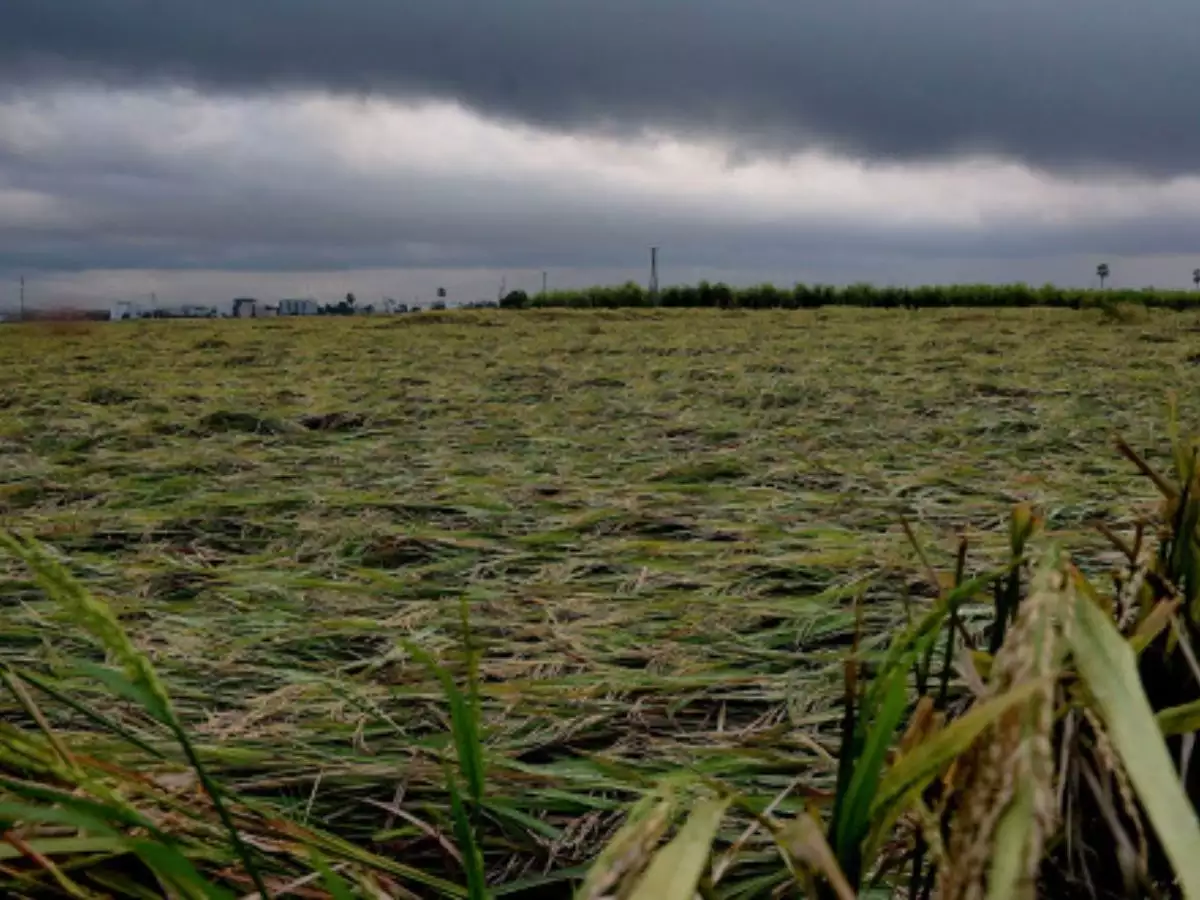
Damage has since intensified in Bohol, where provincial authorities declared a state of calamity on November 17 after El Niño affected 18,384 farmers and damaged more than 7,400 hectares of rice fields across 36 of the province's 48 local government units.
DA-7 is coordinating with PCIC to increase insurance participation among farmers and fisherfolk enrolled in the Registry System for Basic Sectors in Agriculture (RSBSA). Eligible registrants can access insurance through a national government subsidy covering their premiums.
“We have strengthened our collaboration with RSBSA and PCIC for the crop insurance availment of the farmers and fisherfolk,” said Gerry S. Avila, chief of DA-7's Field Operations Division.
Despite government subsidies, agricultural insurance uptake remains low in parts of the Philippines. Registration in the agricultural database does not automatically provide insurance coverage.
The mounting losses come as the Philippines prepares to launch an agricultural co-insurance pool, targeted for January 2027, that would allow private insurers to share risks and operating costs with PCIC.
The World Bank-backed initiative allocates US$70 million toward the pool, including first-loss protection to encourage private insurers to enter the sector, partial premium subsidies for previously uninsured farming segments and financial support for operating expenses.
Participating insurers would offer standardized products, earn commissions on policies sold and share exposure through a common reinsurance program.
The proposed arrangement would operate alongside PCIC's existing fully subsidized insurance program for subsistence farmers, targeting semi-commercial and commercial agricultural producers instead. The government aims to extend financial protection to 750,000 farmers and fisherfolk by 2030.
The distinction is significant in a market where agricultural catastrophe exposure has historically been concentrated within the state insurer. The proposed common reinsurance structure would introduce an additional mechanism for transferring accumulated losses.
For now, however, the government's response to deteriorating conditions in Central Visayas continues to rely on a combination of subsidized insurance, emergency funding and measures to limit agricultural damage.
Avila said DA-7 could seek PHP 291 million in emergency funding if losses worsen. The department has separately submitted a PHP 14.27 million rehabilitation proposal to provide agricultural supplies to affected communities.
Investments in irrigation, drought-resistant seeds and cloud seeding are also being pursued to reduce production losses.
“We have an ongoing procurement of cloud seeding operations amounting to P4 million in collaboration with PAGASA, BSWM [Bureau of Soils and Water Management], PLGU [provincial local government unit], and NIA [National Irrigation Administration]. This would benefit around 116,650 individual farmers with a total area covered of 32,850 hectares,” Avila said.
The department is also verifying damage assessments submitted by local authorities and consolidating rice and corn production data.
“With the impending threat of El Niño, our partner LGUs at the municipality or city level were trained or reoriented on the processes of reporting and submission of damage reports. This ensures efficient and up-to-date damage reporting from the ground,” Avila said.
The Philippine Atmospheric, Geophysical and Astronomical Services Administration (PAGASA) expects El Niño conditions to persist into the first half of 2027, potentially prolonging agricultural losses as the country prepares to introduce its new risk-sharing arrangement.
Source - https://www.insurancebusinessmag.com