As we approach the summer months, heat stress and drought are becoming increasingly important factors to consider for farmers and plant growers. High temperatures and low rainfall can lead to significant crop losses and reduced productivity.
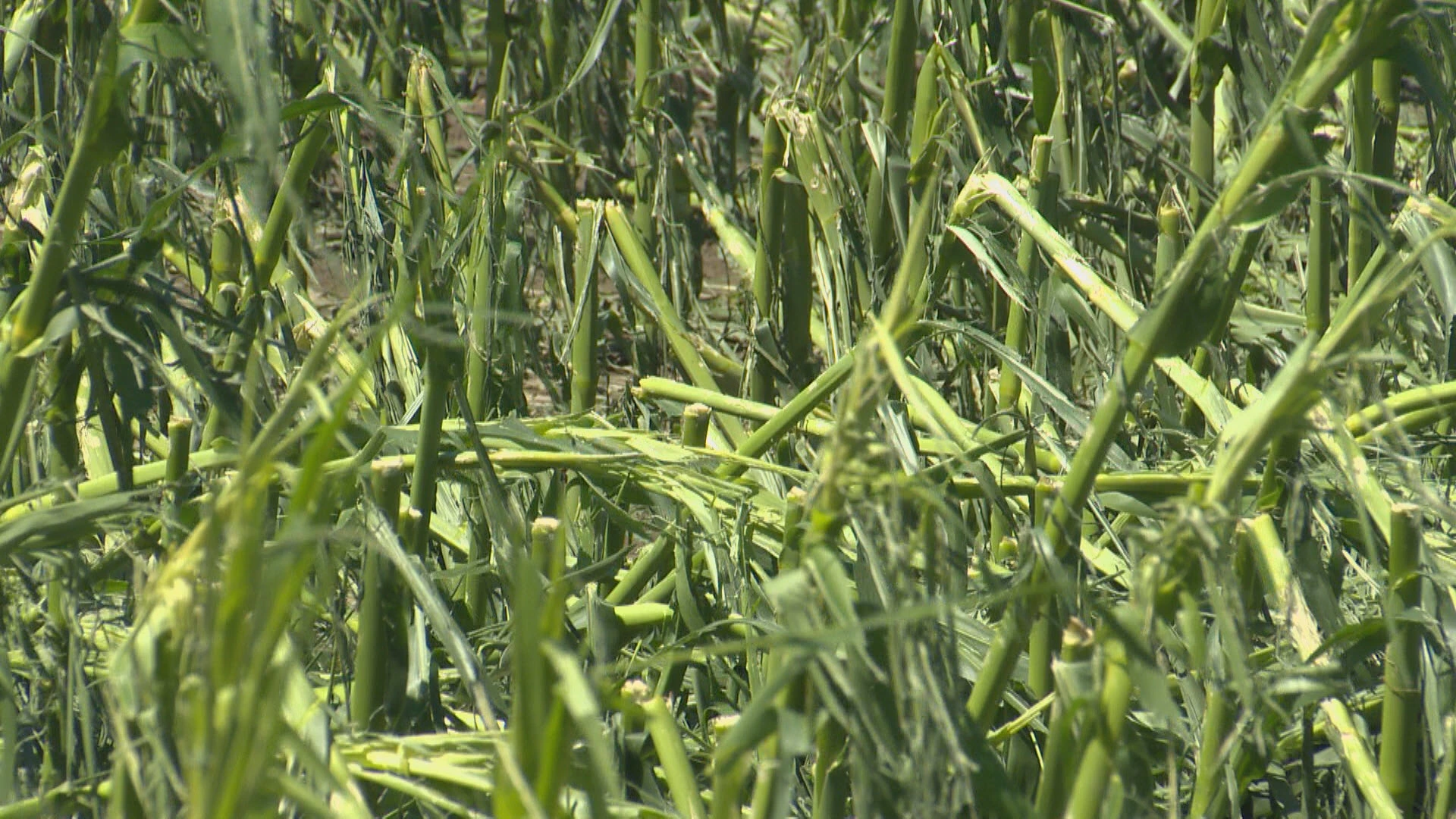
Heat stress occurs when crops are exposed to high temperatures for extended periods of time. This can cause physiological and biochemical changes in the plant, leading to reduced growth, yield, and quality. In the summer months, high temperatures can also increase water demand in plants, amplifying the effects of drought.
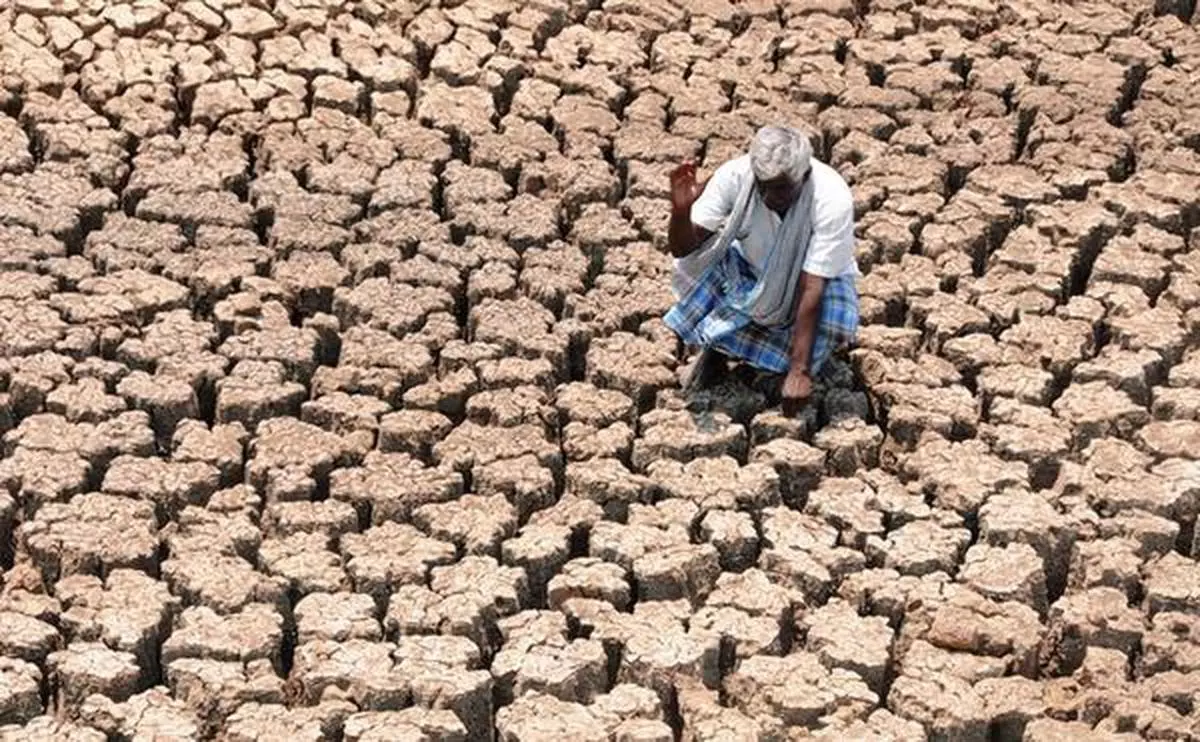
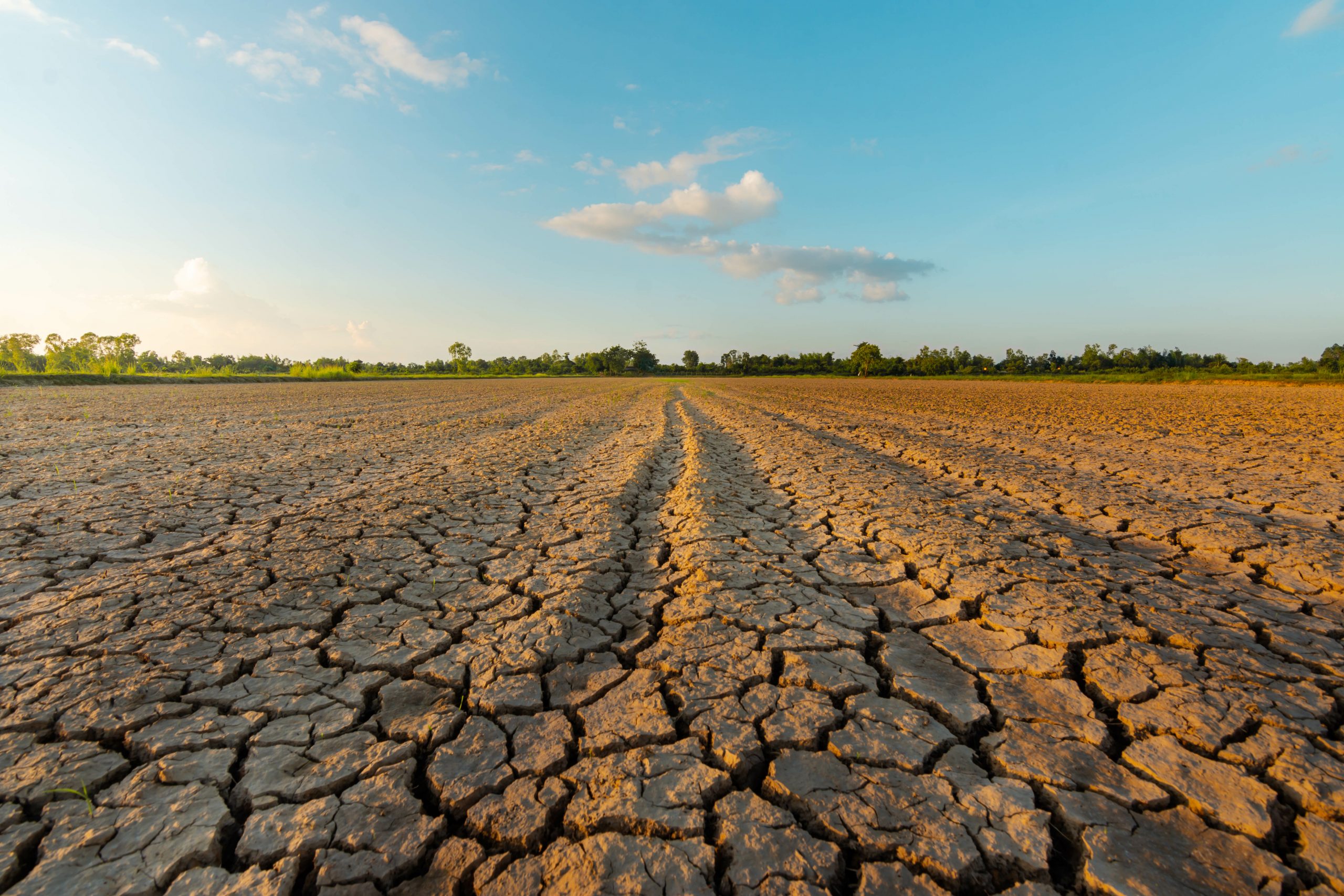
Drought, on the other hand, occurs when crops do not receive enough water to support growth and development. This can cause wilting and other physiological changes that can lead to reduced growth, yield, and quality.
Fortunately, there are several effective farming techniques that can help reduce heat stress and minimize the impact of extreme heat on crops. By implementing these techniques, it can help maintain crop health and productivity, while also reducing water use. Hera are some of the farming techniques for reducing heat stress on crops during the summer months.
Planting heat tolerant crops
Planting heat-tolerant crops is an effective strategy to mitigate the negative impacts of heat stress on crops during the summer months. These crops can offer many benefits to farmers and the environment by improving crop yield and reducing water requirements.
One of the main advantages of heat-tolerant crops is their ability to withstand high temperatures and water stress, which can result in higher crop yields. Another benefit of planting heat-tolerant crops is the reduction in water requirements. Heat-tolerant crops can survive with less water than other crops. This can help reduce the demand for irrigation water and conserve water resources. In areas where water resources are limited, this can be particularly important for farmers.
Irrigation management
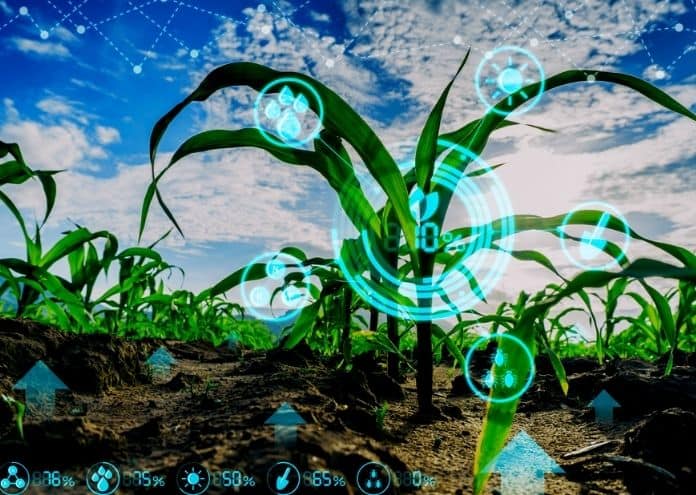
Proper irrigation management techniques are essential to lessen the effects of heat stress on crops. Soil moisture monitoring is a vital irrigation management technique that helps farmers maintain adequate soil moisture levels. Monitoring soil moisture levels regularly using sensors can help prevent underwatering of crops, which can cause drought stress.
If you don’t have access to sensors, you can take a small amount of soil from the top layer and squeeze it between the thumb and index finger to observe its behavior. If the soil forms a tight ball and does not break apart, it is likely that the soil is too wet. If the soil crumbles and does not form a ball, it is likely that the soil is too dry. If the soil forms a loose ball and breaks apart easily, it is likely that the soil has sufficient moisture. This method can provide a rough estimate of soil moisture content and is relatively easy to perform.
The health and appearance of plants can also provide clues about soil moisture. Wilting or yellowing plants may indicate that the soil is too dry.
During hot summer months, crops are particularly susceptible to heat stress and drought, making efficient irrigation management crucial for farmers. One irrigation technique that has become increasingly popular in recent years is drip irrigation. This technique involves the slow application of water directly to the plant's root zone through a network of tubing and emitters, reducing water loss due to evaporation and runoff.
Drip irrigation has been found to be particularly effective in minimizing the effects of heat stress and drought on crops. By providing a consistent and precise water supply, this method can help maintain healthy soil moisture levels, prevent plant dehydration, and promote more efficient nutrient uptake.
Mulching
Mulching is a farming technique that involves covering the soil surface with organic or inorganic materials to help conserve soil moisture, suppress weed growth, and moderate soil temperature. Mulching has proven to be an effective method in minimizing heat stress in crops during the summer season.
During the summer months, soil temperatures can become extremely high, which can cause damage to plant roots and hinder nutrient uptake. Mulching helps to moderate soil temperature by providing a barrier between the sun's rays and the soil surface. This barrier reduces the amount of heat that is absorbed by the soil, keeping it cooler and protecting plant roots from heat stress.
In addition to moderating soil temperature, mulching also helps to conserve soil moisture. By reducing water evaporation from the soil surface, mulching can help to keep soil moisture levels stable and prevent drought stress in crops. This is particularly important during the summer months, when rainfall may be scarce and water demand from crops is high.
Mulching can also suppress weed growth, which can compete with crops for water and nutrients. By reducing weed growth, crops have access to more resources, which can improve their overall health and productivity. Additionally, the organic materials used in mulching can break down over time, adding nutrients to the soil and improving soil health.
Provide shading
Providing shade during the summer months is an important technique for managing heat stress in crops. High temperatures can cause excessive water loss in plants which can lead to wilting, stunted growth, and reduced yield. Additionally, intense sunlight can cause sunburn and damage to plant tissues, further exacerbating the effects of heat stress.
Shade can be provided through various means such as using shade cloth, planting trees or erecting temporary structures. The construction of shading structures over crops can significantly reduce the temperature of the surrounding environment, creating a more suitable growing environment for plants. This method also helps to reduce water loss from the soil, allowing crops to retain moisture for a longer period.
Providing shade is particularly important for crops that are sensitive to heat stress, such as leafy greens and fruiting vegetables. By reducing the amount of direct sunlight that reaches the plants, shade can help maintain healthy plant growth and improve crop yield. In addition to reducing heat stress, providing shade can also help protect crops from other environmental stresses, such as wind damage and pests.
It is important to understand the effects of heat stress and drought on crop production during the summer heat because these stress factors can have significant impacts on the growth and yield of crops. By understanding how these stress factors affect plants, farmers can implement appropriate strategies to mitigate their negative effects and ensure sustainable crop production.
Source - https://mb.com.ph