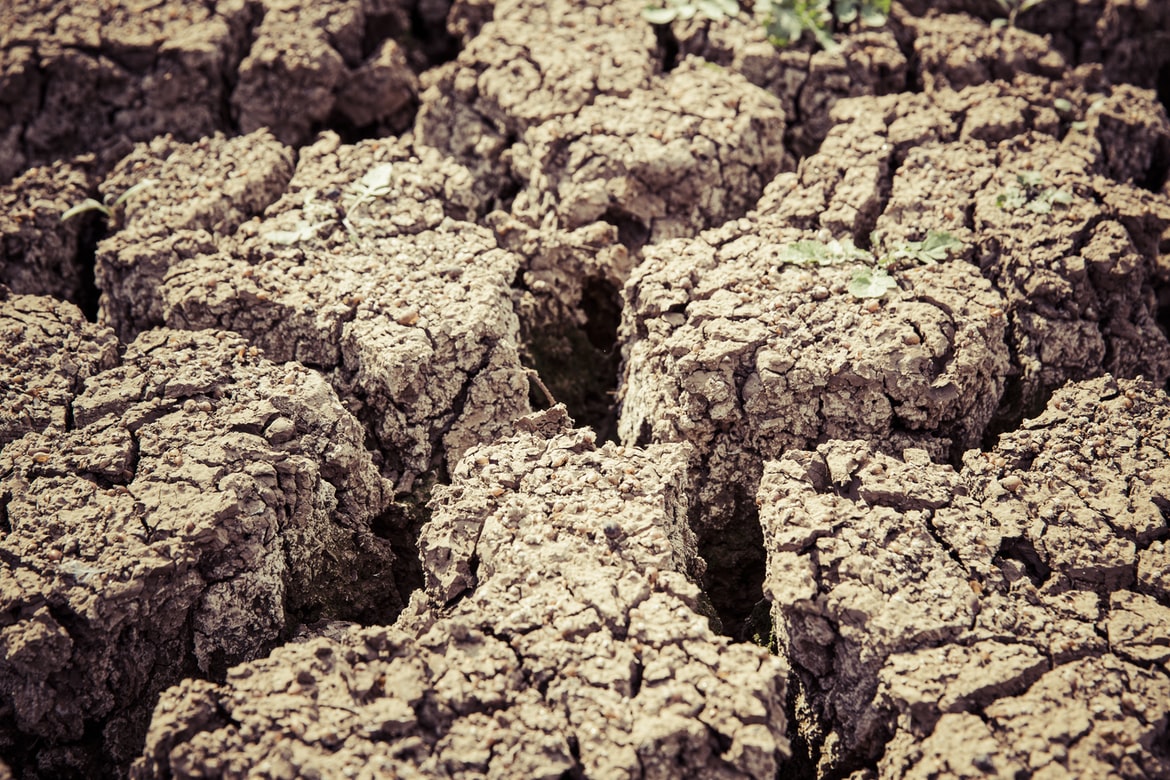
The City Government of Tacloban has intensified its preparations and mitigation measures as the threat of a possible Super El Niño continues to loom over several parts of the country, bringing concerns over prolonged dry spells, water shortages, and impacts on agriculture and public health.
The city government is closely coordinating with national agencies, barangay officials, farmers’ groups, and disaster response teams to minimize the effects of the severe weather phenomenon on communities and livelihoods.
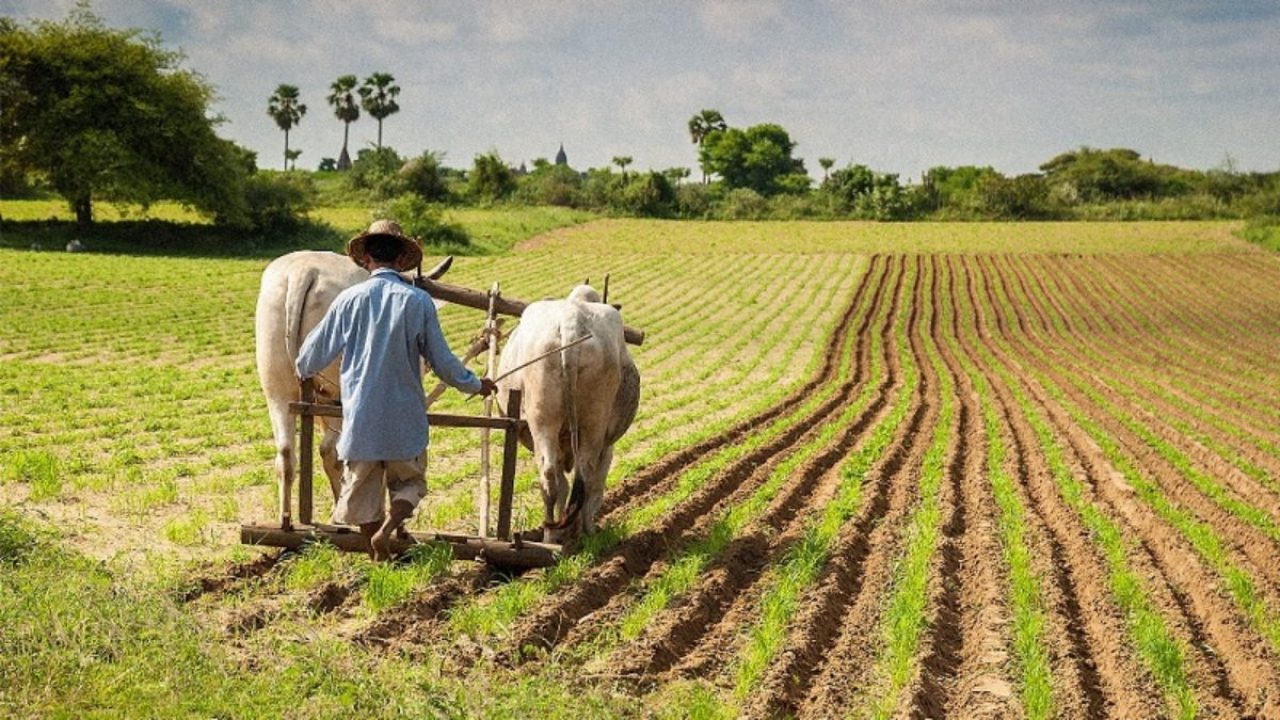
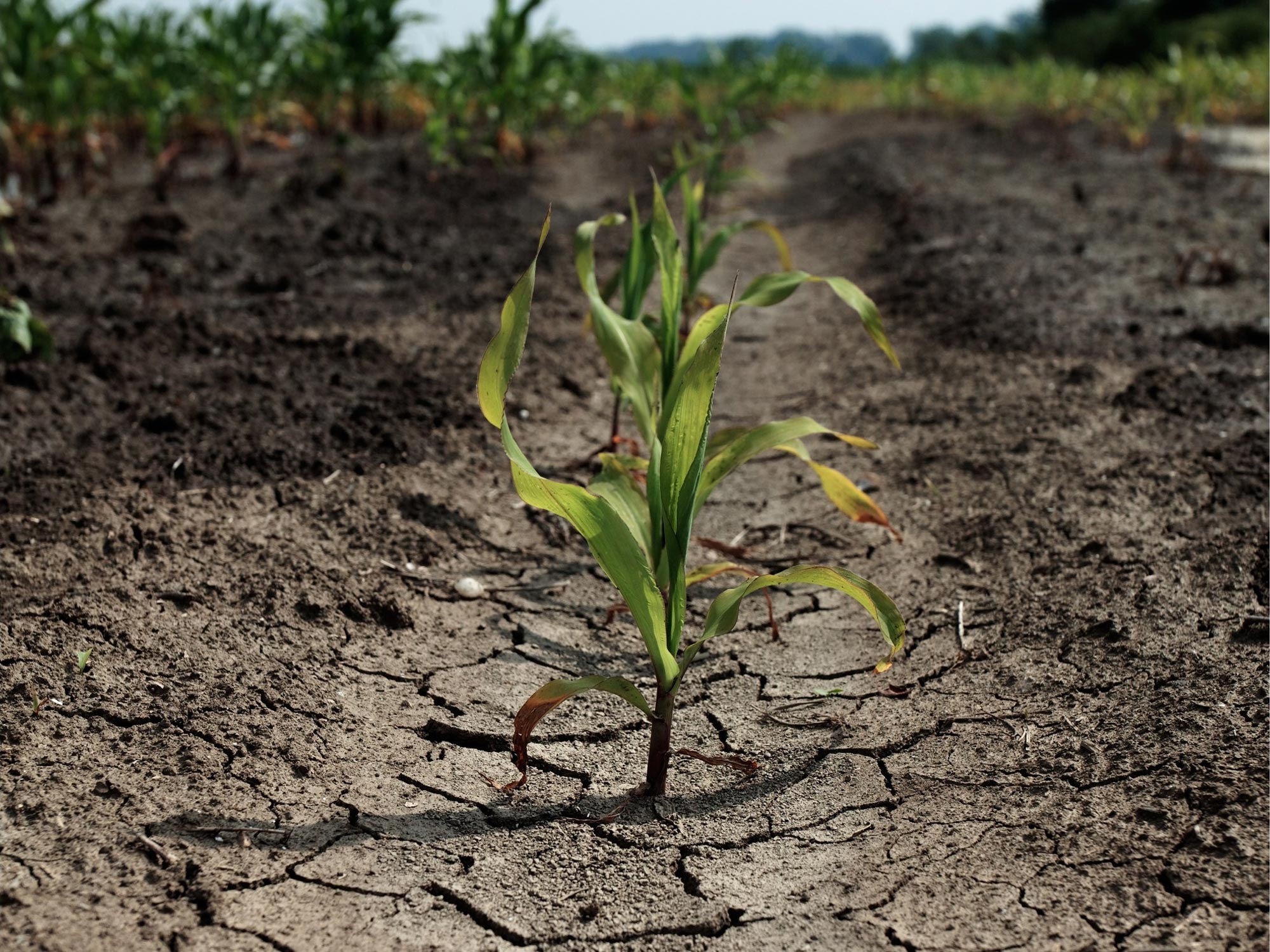
The City Agriculture Office has warned that the looming Super El Niño could cause up to 50 percent losses in agricultural production, particularly rice, if prolonged dry conditions continue to affect farms and water sources in the coming months.
City Agriculture Officer Romelo Anade said hat aside from implementing climate-resiliency programs such as seed distribution, water conservation campaigns, and alternative cropping strategies are also being discussed with local farming communities, farmers are heavily encouraged to have their crops insured with the Philippine Crop Insurance Corporation (PCIC).
The government’s crop insurance coverage has been strengthened to provide financial assistance and recovery support to farmers affected by drought, typhoons, floods, pests, and other climate-related disasters.
“We want our farmers to have some level of protection during difficult times. Crop insurance will help them recover faster in case their farms are severely affected by prolonged dry spells and other calamities,” Anade said.
Meanwhile, City Health Officer Jaime Opinion said extreme heat and limited water supply during extended dry periods could increase the risk of heat-related illnesses, dehydration, respiratory problems, and waterborne diseases, particularly among vulnerable sectors.
“We are advising the public to take necessary precautions to protect themselves from illnesses brought about by extreme heat and prolonged dry conditions,” Opinion said.
Among the common health concerns identified by the City Health Office are heat exhaustion, heat stroke, dehydration, skin diseases, diarrhea, and respiratory infections caused by dust and poor air quality during hot weather.
The office particularly urged parents to monitor children, and senior citizens, pregnant women, and persons with pre-existing medical conditions were advised to avoid prolonged exposure to direct sunlight.
Residents were encouraged to drink plenty of clean water, wear light clothing, maintain proper hygiene, and avoid outdoor activities during peak daytime temperatures.
Authorities said early preparation and community cooperation will play a crucial role in mitigating the long-term effects of Super El Niño on the city’s economy, environment, and public welfare.
President Ferdinand “Bongbong” Marcos Jr. has directed a whole-of-government approach to mitigate the impacts of a looming strong El Niño phenomenon. His administration’s strategy focuses on localized, data-driven interventions covering water supply, food security, public health, and power.
Lorenn Laurente, DOST-PAGASA weather specialist in Tacloban, said the weather state bureau is already tracking the warming of the eastern Pacific Ocean that drives El Niño, with a 92% probability that the phenomenon will emerge as early as June and strengthen considerably over the following months.
PAGASA likewise urged residents to stay updated through official weather bulletins and advisories, noting that early preparedness and coordinated response efforts are vital in reducing the impacts of Super El Niño on communities.
Source - https://pia.gov.ph