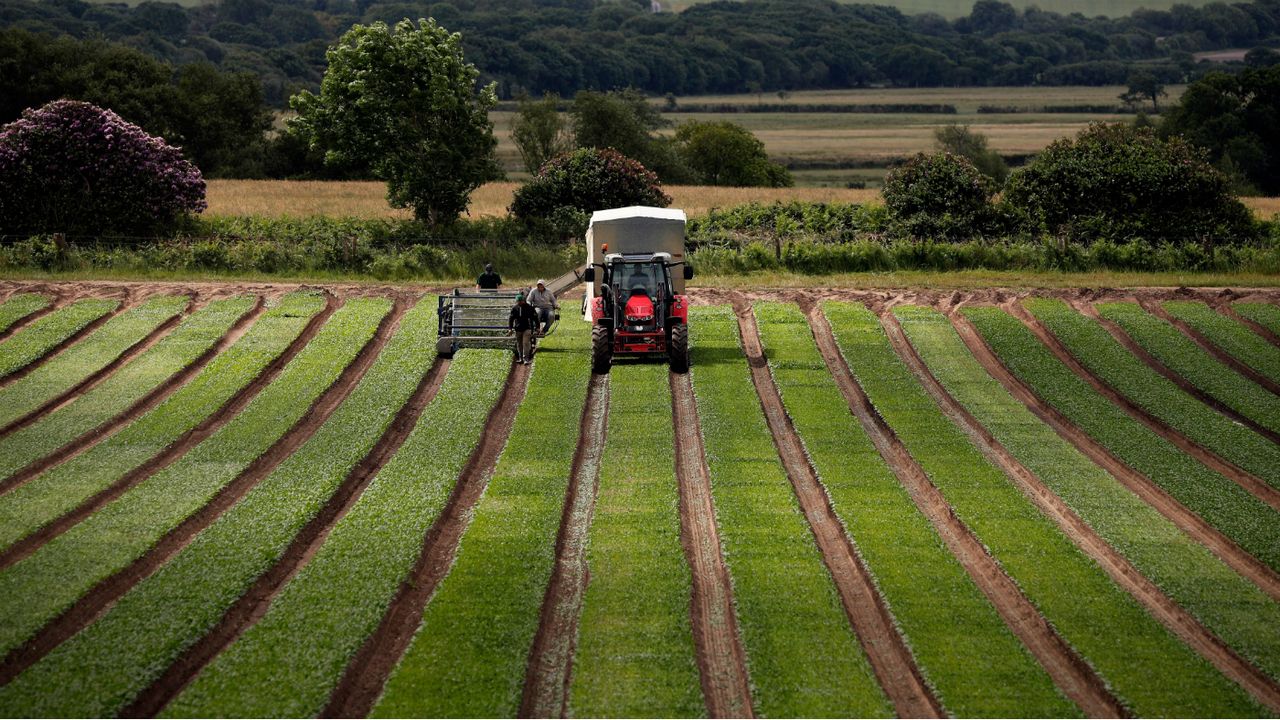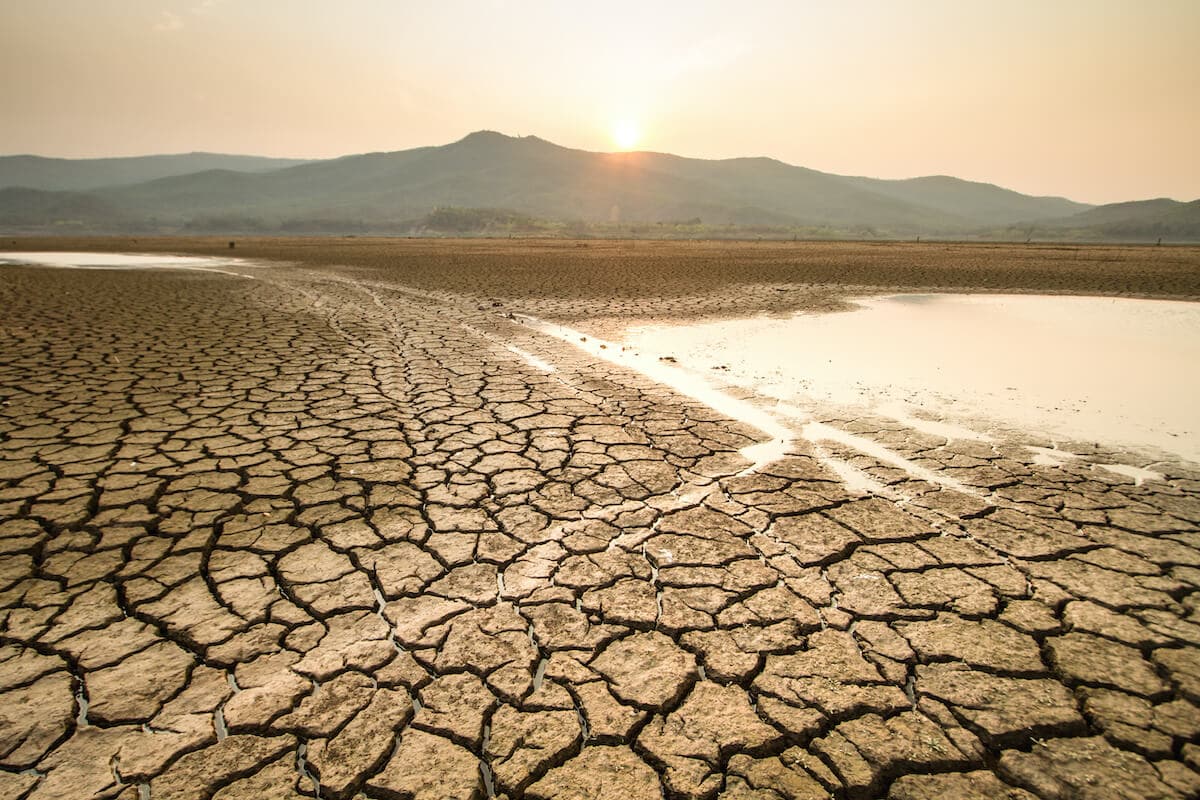
Poland loses as many as PLN 6.5 bn-worth (EUR 1.38 bn) crops a year due to drought with the largest losses reported in the Wielkopolskie province, a report by the Polish Economic Institute (PIE) has shown.
The times of the toughest weather conditions brought about a loss of over 50 percent of crops, the PIE said, adding that had field irrigation been better, cereal yields could have been 20 percent higher and tuber crops 30 percent higher.
PIE experts remarked that the negative effects of climate warming were also visible. Due to the fluctuation of temperatures, Poland loses 7 percent of crops a year on average and we will be losing at least 14 percent of crops should the mean temperature increase by 2 degrees Celsius.
“In our report, we have assessed the costs of a decrease in agricultural crops that can be ascribed to droughts. Depending on the applied index, the yearly mean total of losses in three categories of cultivation (tuber crops, cereal crops, oil crops) oscillates between PLN 3.9 bn [PLN 830 mln] and PLN 6.5 bn [EUR 1.38 bn]” as shown by current average prices in a given province, the PIE reported.
The think-tank stressed that the demonstrated assessments were limited to agricultural crops and did not take the entirety of drought-induced harm done to the environment and economy into consideration.
“The increase of temperature resulting from climate change will aggravate the issues, ramp up evaporation and the frequency of extreme weather phenomena. Therefore, adaptive action, such as adequate water resources management, as well as the selection of crops, is vital,” Szymon Ogórek, an analyst from the PIE’s Strategy Team said.
Drought-induced losses are unevenly distributed with the average largest reported in the Wielkopolskie province, and the least significant in the Warmińsko-Mazurskie province.
PIE experts felt that it was not surprising as the Wielkopolskie province was a large and significantly big cultivated area while at the same time being very dry based on the applied ecological variables. The Warmińsko-Mazurskie province, for its part, is very moist.
“Droughts cost Poland billions of PLN yearly and the deepening climate change will only aggravate the losses. Apart from high food prices, we are dealing with a yearly ecological disaster in a significant part of the country. Retention-oriented activities and those aimed at water conservation could not only decrease crop losses but are also closely related to nature protection, especially that of forests, wetlands and rivers,” Jan Markiewicz, an analyst of the World Economy Team said.
He went on to stress that, according to all studies, investments in drought prevention paid off. Thinking that drought affects only hot-climate countries is erroneous, he said, adding that Poland was already paying for this misconception with higher food prices and higher water bills and that it was affecting the biodiversity of the Polish natural environment.
Source - https://tvpworld.com