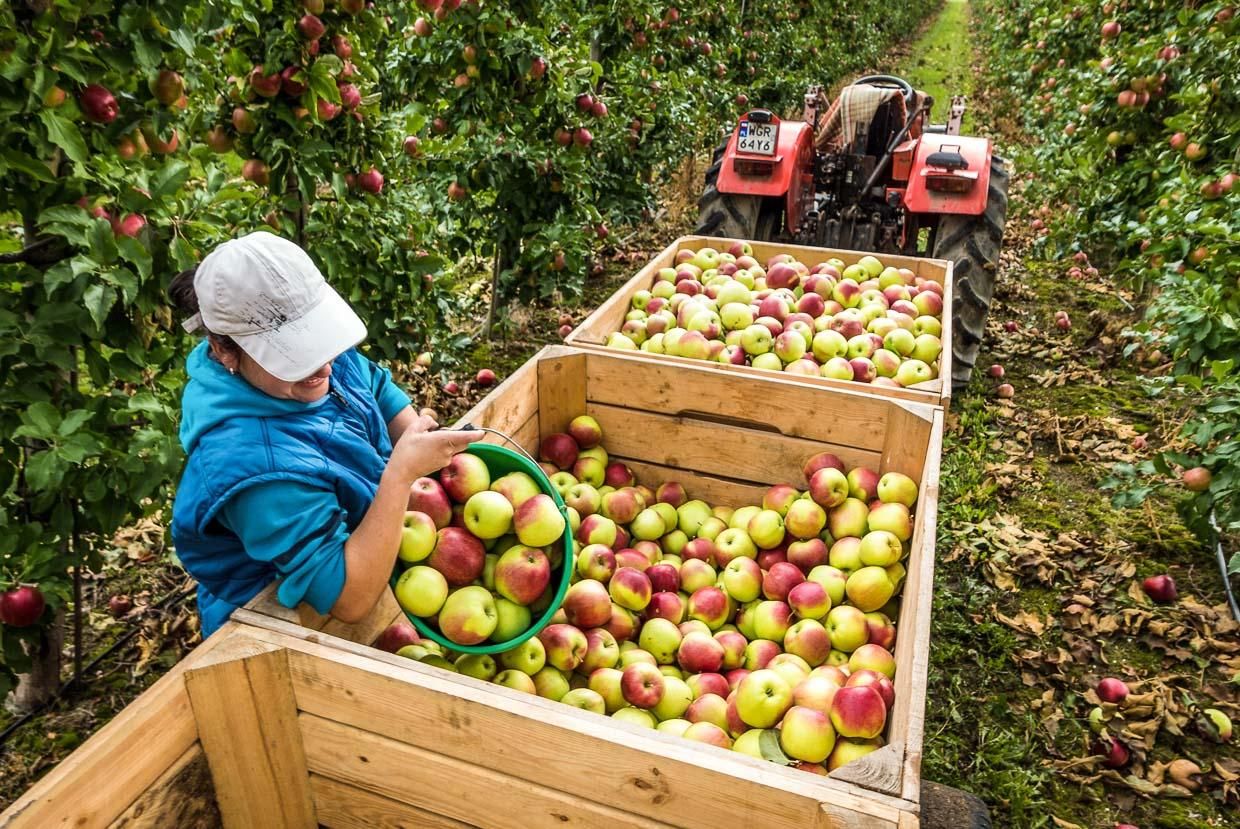
Poland's apple juice concentrate (AJC) crop faces the prospect of a sharply reduced harvest in 2026 following severe frosts, while Turkey is set for a strong recovery season after near-total losses a year earlier, according to market sources cited by Mintec.
The scale of frost damage to the Polish crop remains contested. Some market participants hold to a year-over-year crop loss of 35 to 40%, while others consider that estimate too high. Sources agree that the outcome of the June fall, the seasonal period in which trees drop immature fruit, will be a critical indicator. Trading activity in the meantime stays quiet. Expana Benchmark Prices for apple concentrate medium acid FCA Europe, origin Poland, stood at €1,400 per metric ton as of May 29, unchanged month over month.

In Turkey, existing AJC stocks are being cleared ahead of the new season, with growing conditions reported as supportive. Sources told Expana: "It will be a good season, and we think prices will be lower than last year." The 2025/26 season was difficult for Turkish producers, with the USDA estimating crop losses of around 60% year over year. Sources reported Turkey was effectively absent from the market for that season. For 2026/27, the Turkish Statistical Institute (TÜİK) forecasts a crop volume increase of 93.6% year over year. Expana Benchmark Prices for apple concentrate low acid FCA Europe, origin Turkey, stood at €1,950 per metric ton as of May 29, unchanged month over month and down 7.6% year over year.
The two situations together represent a near-complete reversal from a year earlier, when Poland recorded a sufficient crop, and Turkey bore the brunt of losses.
Some sources remain cautious about the broader market outlook, pointing to a global AJC surplus that is placing pressure on processors. Demand across juice categories has softened, with sources noting that high sugar content is an increasing deterrent among health-conscious consumers. Elevated retail prices have also reduced consumer interest, and sources add that the Middle East conflict has pushed up fuel costs, prompting consumers to focus spending on essential purchases.
Source - https://www.freshplaza.com