Inadequate pollination has led to a 3-5% loss of fruit, vegetable, and nut production and an estimated 427,000 excess deaths annually from lost healthy food consumption and associated diseases, including heart disease, stroke, diabetes, and certain cancers, according to research led by Harvard T.H. Chan School of Public Health. It is the first study to quantify the human health toll of insufficient wild (animal) pollinators on human health.
"A critical missing piece in the biodiversity discussion has been a lack of direct linkages to human health. This research establishes that loss of pollinators is already impacting health on a scale with other global health risk factors, such as prostate cancer or substance use disorders," said Samuel Myers, principal research scientist, planetary health, Department of Environmental Health and senior author of the study.
The study will be published December 14, 2022 in Environmental Health Perspectives.
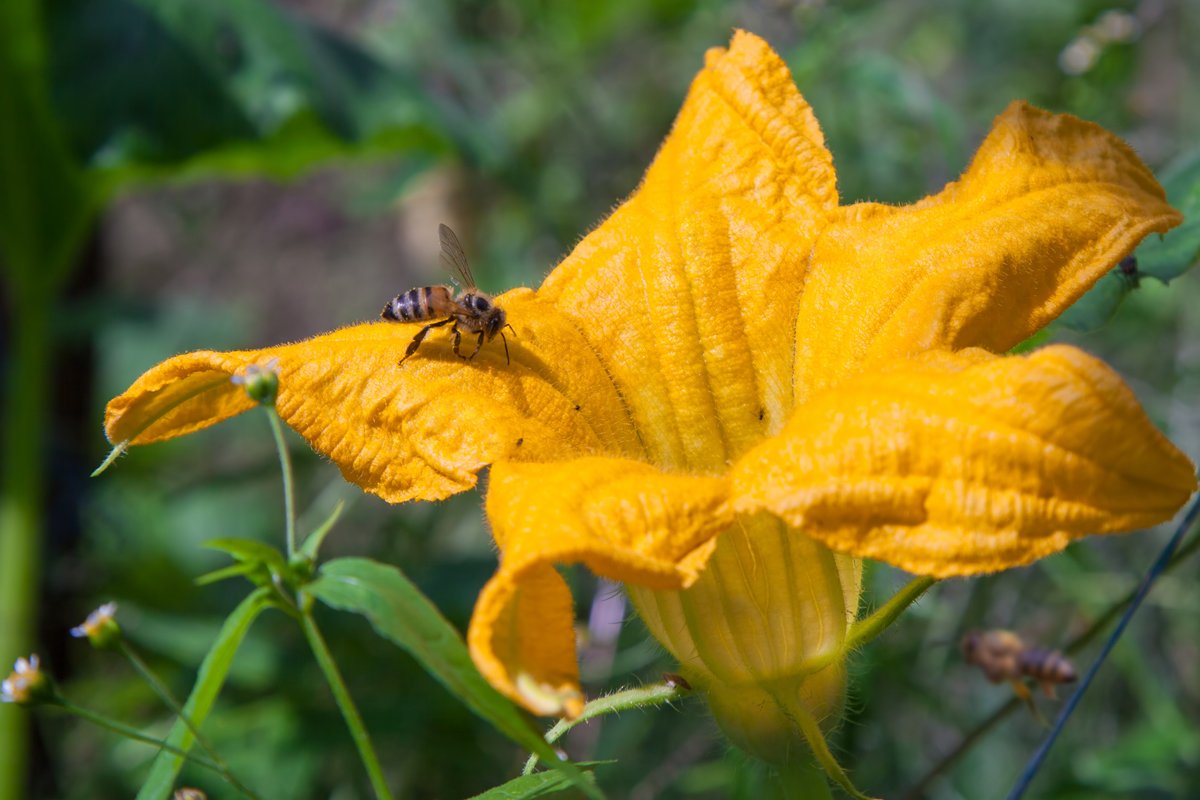
Increasing human pressure on natural systems is causing alarming losses in biodiversity, the topic of the COP 15 UN Biodiversity Conference currently taking place in Montreal. This includes 1-2% annual declines of insect populations, leading some to warn of an impending "insect apocalypse" in the coming decades. Key among insect species are pollinators, which increase yields of three-fourths of crop varieties and are critical to growing healthy foods like fruits, vegetables, and nuts. Changes in land-use, use of harmful pesticides, and advancing climate change threaten wild pollinators, imperiling human supply of healthy foods.
The researchers used a model framework, which included empirical evidence from a network of hundreds of experimental farms across Asia, Africa, Europe and Latin America, that looked at "pollinator yield gaps" for the most important pollinator-dependent crops, to show how much crop loss was due to insufficient pollination. They then used a global risk-disease model to estimate the health impacts the changes in pollination could have on dietary risks and mortality by country. Additionally, they calculated the loss of economic value from lost pollination in three case study countries.
The results showed that lost food production was concentrated in lower-income countries but that the health burden was greater in middle- and higher-income countries, where rates of non-communicable diseases are higher. The geographic distribution was somewhat unusual in that generally the health effects from global environmental change are centered among the poorest populations in regions such as South Asia and Sub-Saharan Africa. Here, middle-income countries with large populations -- China, India, Indonesia, and Russia -- suffered the greatest burden.
The analysis also showed that lower-income countries lost significant agricultural income due to insufficient pollination and lower yields, potentially 10-30% of total agricultural value.
"The results might seem surprising, but they reflect the complex dynamics of factors behind food systems and human populations around the world. Only with this type of interdisciplinary modeling can we get a better fix on the magnitude and impact of the problem," said co-author Timothy Sulser, senior scientist, International Food Policy Research Institute.
Strategies to protect wild pollinators are not just an environmental issue, but a health and economic one as well. "This study shows that doing too little to help pollinators does not just harm nature, but human health as well," said lead author Matthew Smith, research scientist, Department of Environmental Health.
Support for the study was provided by grants from the Gordon & Betty Moore Foundation, Weston Foods Inc., Fifth Generation Inc., and the CGIAR Research Program on Policies, Institutions, and Markets.
Source - https://www.sciencedaily.com