The main Peruvian seedless grape season started in week 38, but it is pretty much a year-round grape producer in some varieties and there is always something loading.
"Mainly black seedless grapes arrived in the UK in week 42, followed by pockets of red seedless and then green seedless two weeks later around week44/45 arrivals," according to John Fox, Grape Product Manager at Pacific Produce.
Colder than usual weather in Piura delayed the season by 7-14 days as growers waited for the brix to rise. This caused delay in starting programmes. However, volumes remained the same, with the grapes still performing well on size.
"At the start of organising programs to Europe, the US Dollar was very strong compared to GBP and Euro, plus the shipping rates were also high. This balance between fruit not being ready and higher prices in EU currency terms allowed for the lower volumes to not have a big impact at first.
"An earlier than predicted finish on EU grapes, together with the later start from Peru and limited volumes from Brazil and vessel delays mixed in, the market was short and prices went through the roof. Brazil had rains and programmes were not fulfilled, which kept the market strong. Peru is very good at keeping programs due to more stable weather but by the time buyers realised the shortfall it was too late and those that sent fruit speculatively will have made a very good return."
As per normal Peru starts by shipping to Asia and North America where the big berry and long shelf life varieties are welcomed – these two markets grow every year for Peru, California storage crop is more or less done so the switch to imports is in full swing in the USA.
"The current political issues in Peru are causing problems on the ground with strikes and roadblocks – the government /army have started to mobilize and step by step stabilise the situation. There is a lot of mis-information and radicals who are attempting to stir up trouble – the message that the people need to hear is 'It is ok to protest, but not ok to vandalize or take control of highways or to hurt people'. We hope that over the next few days calm will prevail.
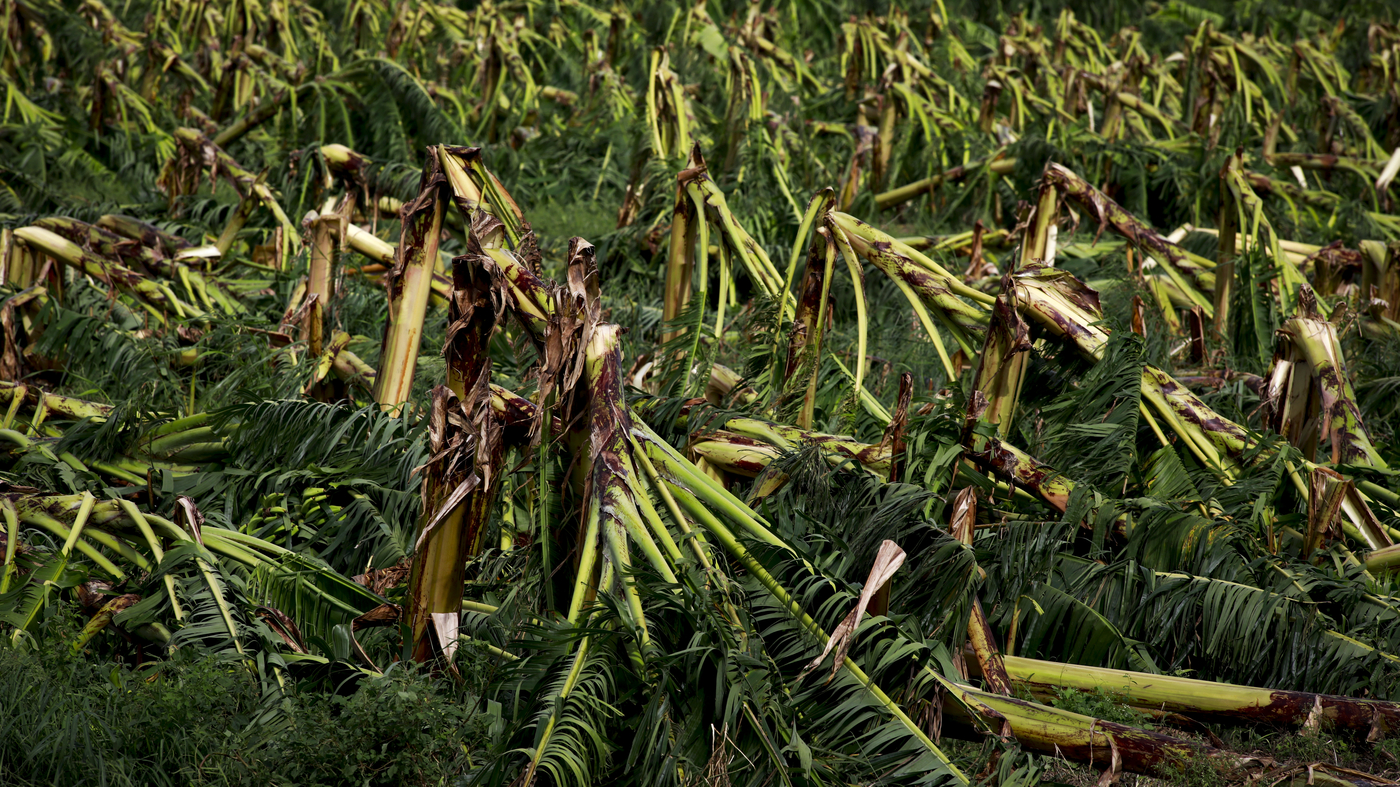
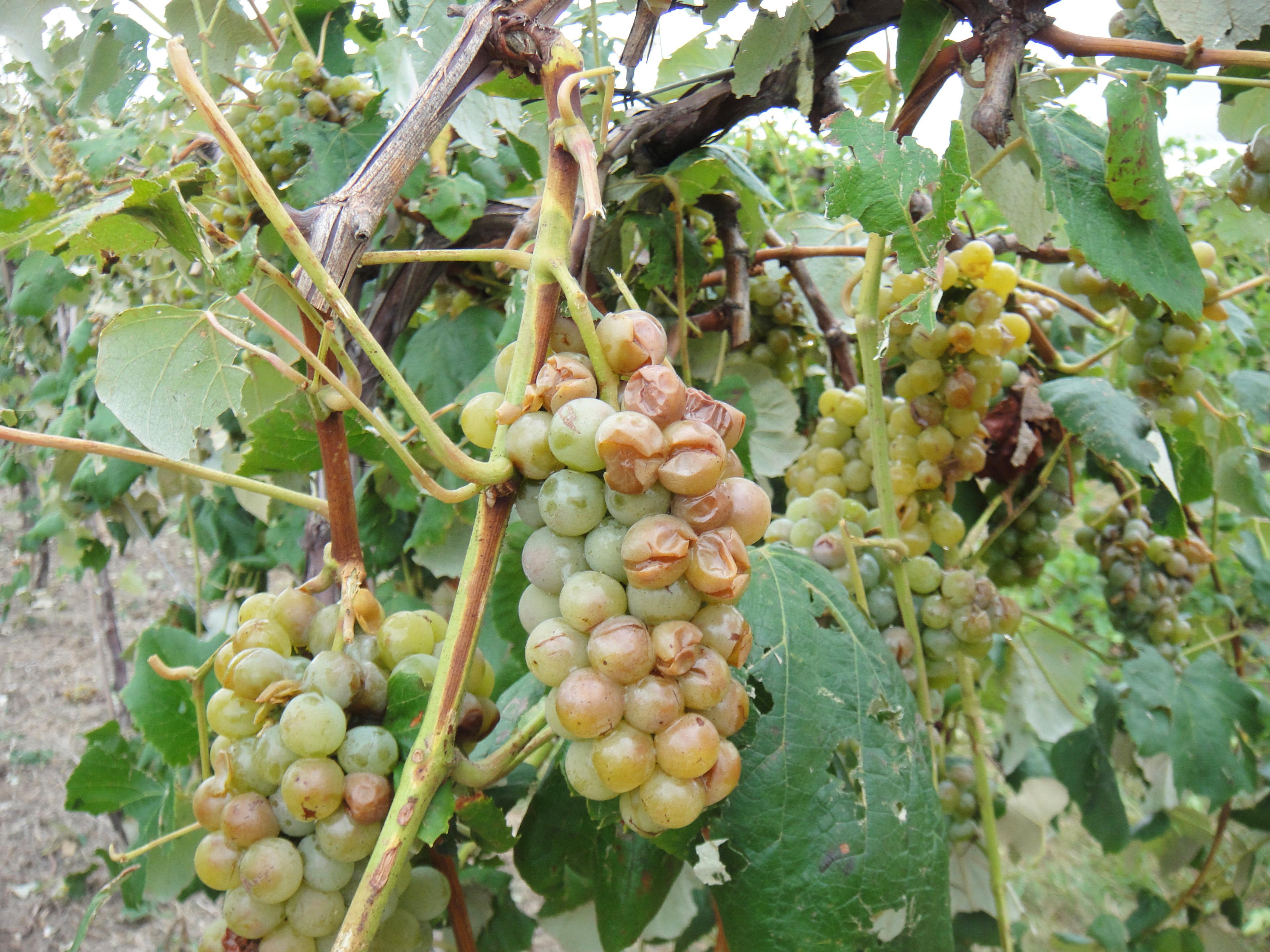
"New season South African and Namibian grapes have started to arrive, so far what we have received has been very nice. Although rain and hailstone has now hit production areas causing widespread damage. A lot of grapes will be lost and the current “noise” about the situation is hard to read, no doubt there have been some losses and the photos are quite dramatic. When the data becomes clear maybe this will create a longer term short position."
John said that now the shipping costs are starting to come down from the 'ridiculous' levels that they reached but the distribution of the reductions is not always fair by region or country and creates a lot of extra difficulties for farmers and buyers of fresh produce. Shipping delays also add to the unwelcome drama.
"Grapes are at the higher end of the customer price level, so for consumption the industry must be wary of prices getting too high due to all the above mentioned problems, cash is tight for the consumer particularly in Europe, the supply and demand scale is finely balanced. As with all industries around the world it would be nice to have a period of relative stability across the entire supply chain – but this is fresh produce and no day is ever the same."
Source - https://www.freshplaza.com