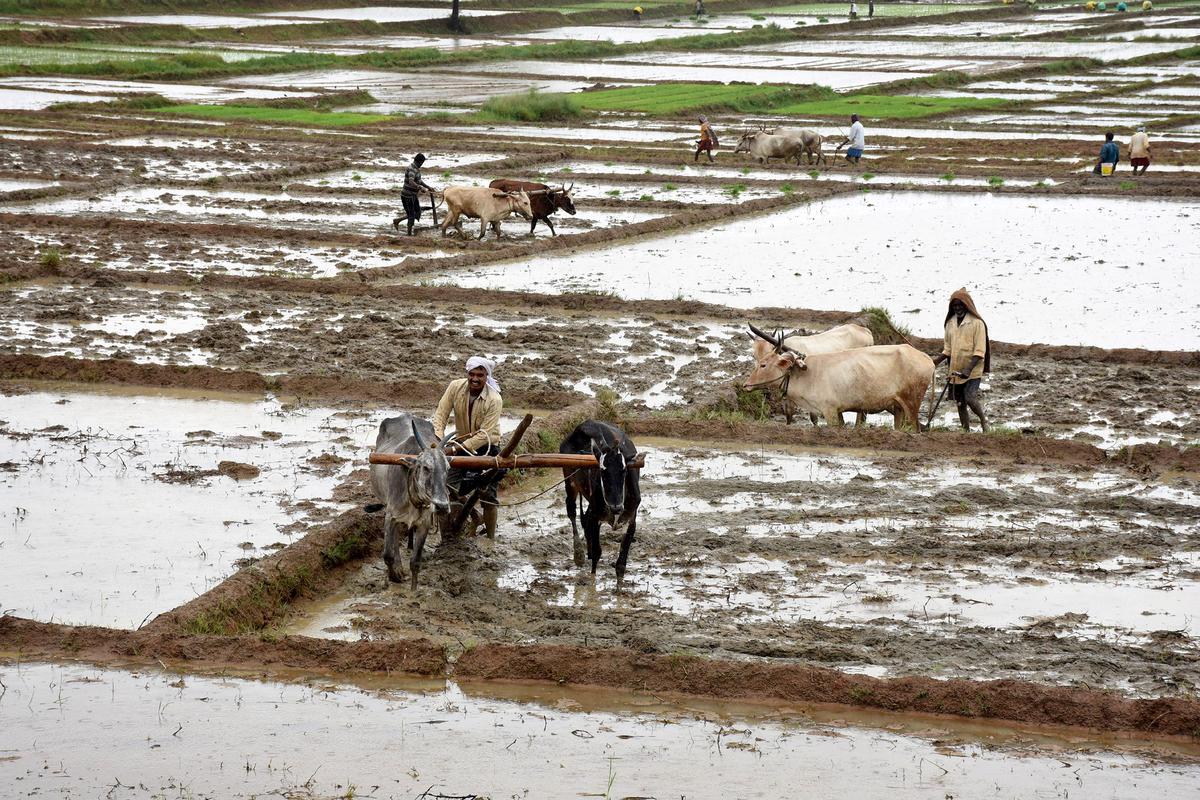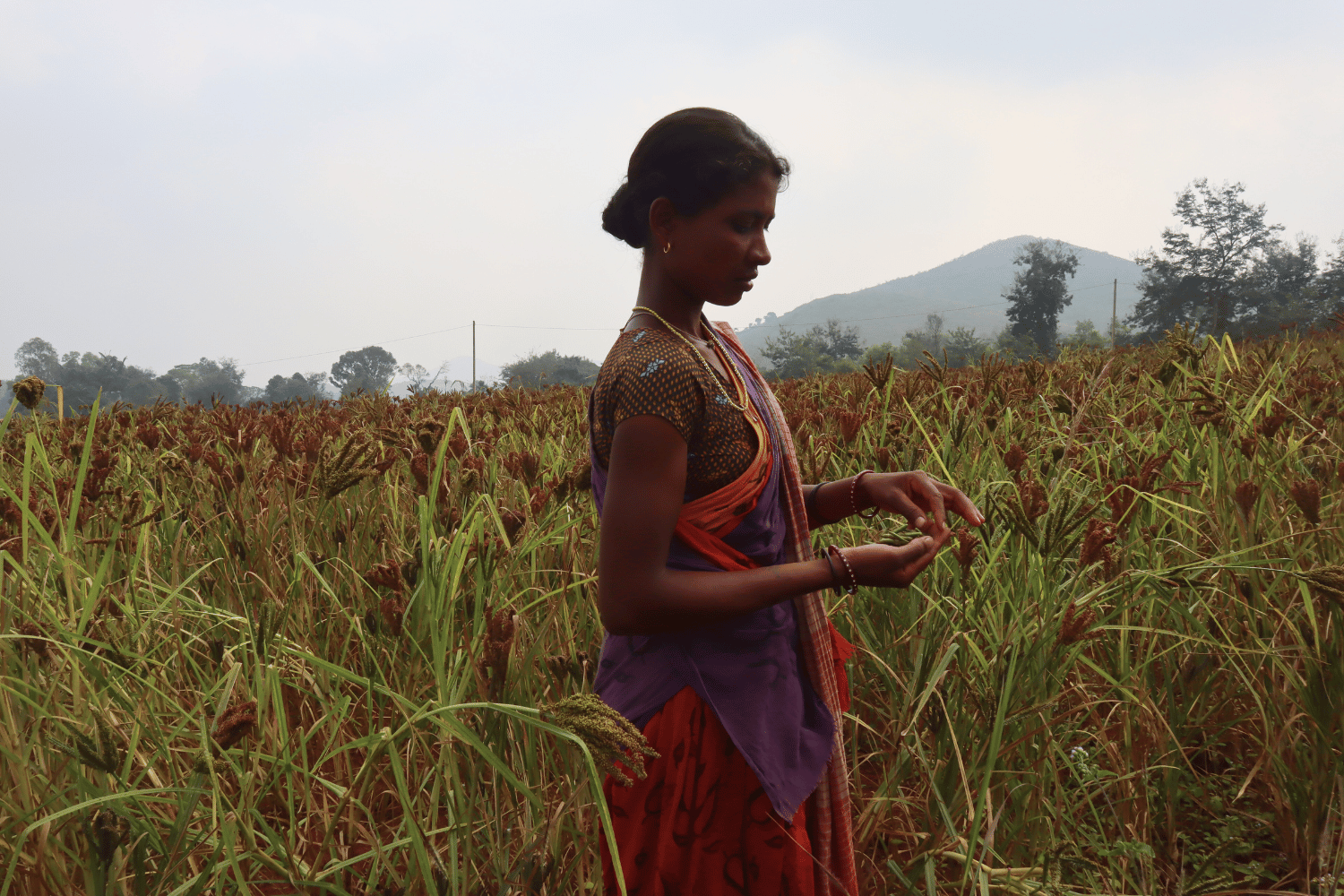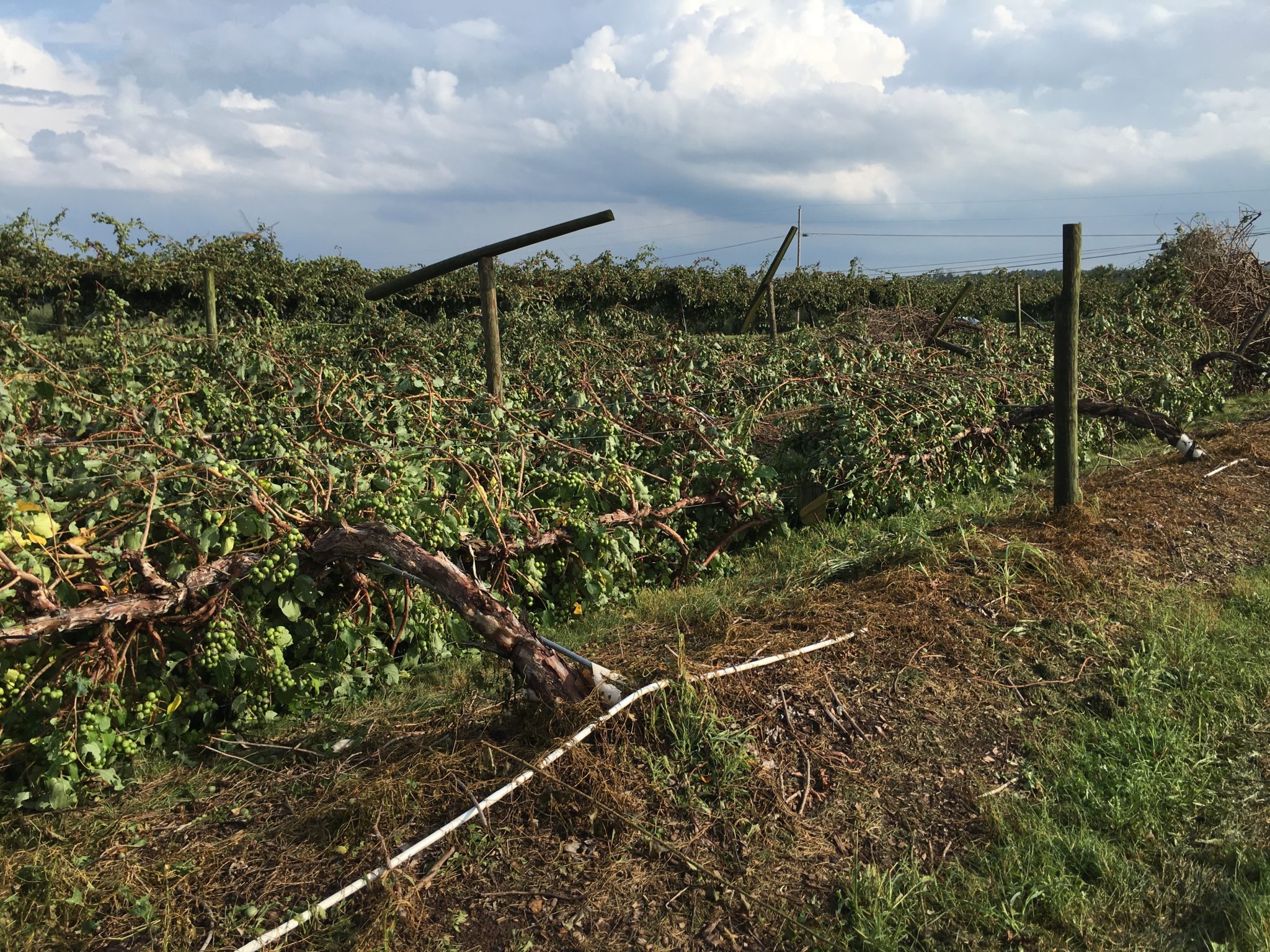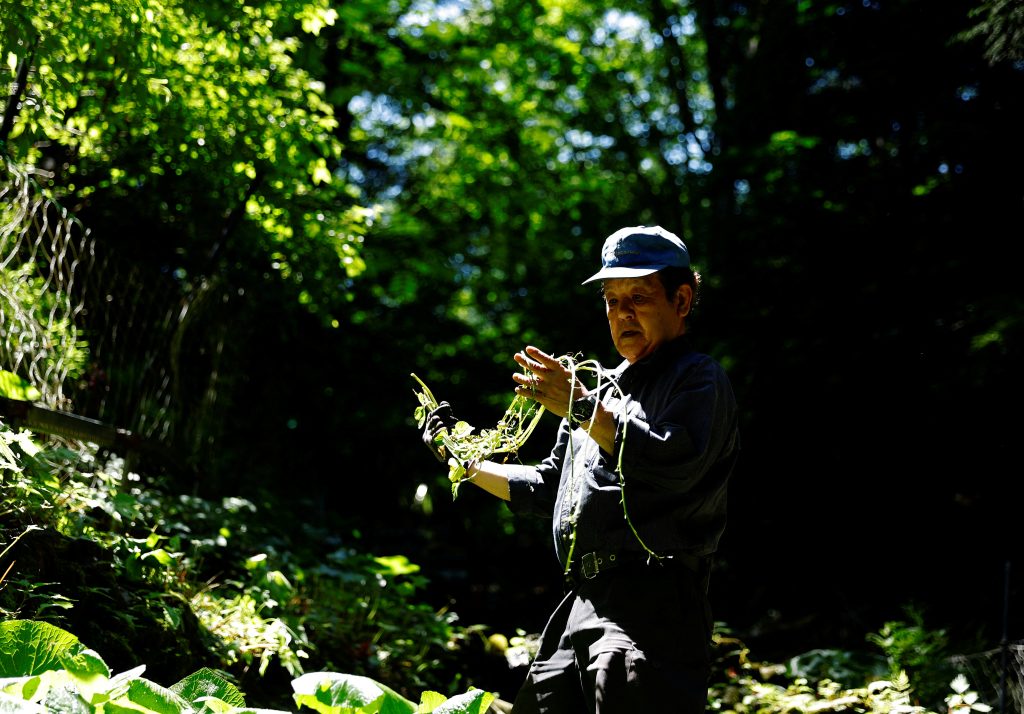
Japan Agricultural Cooperatives (JA), established after the Second World War to improve farmer productivity and economic status, now face challenges from a declining farming population and increased agricultural costs. Despite becoming a powerful financial body with profit from insurance and credit services, critics argue that JA has distanced itself from being a true agricultural cooperative. For JA to reform and thrive in a changing environment, it should redefine its relationship with the agricultural industry, changing from from a managerial to a supportive role. JA should also seek new markets and endorse autonomy for municipal organisations to revitalise agriculture in local communities.
Japan Agricultural Cooperatives (JA) play a significant role in Japan’s farming industry. They offer a wide range of services to members, ranging from marketing farm products to credit and mutual insurance packages.
Japan’s agriculture industry is facing many challenges, including a rapid decline in the farming population and an increase in the price of agricultural materials. Combined with unstable global conditions, these challenges have encouraged JA to reconsider its role in sustaining the industry.
Agricultural cooperatives in Japan consist of general cooperatives engaged in multiple businesses — including credit and insurance — and others specialised in certain crops. They are both regulated by the 1947 Agricultural Cooperative Law.
The cooperatives were established in 1948, soon after the end of the Second World War, to improve productivity and the social and economic position of farmers in Japan. At the time, increasing domestic food production was imperative for the country’s food security.
In the 1950s, the government’s radical agricultural land reforms redistributed land from landlords to farmers at low prices. The reform boosted the number of land-owning farmers in Japan. Overcoming the post-war food shortage, more than 14,000 agricultural cooperatives were established.
The character of the cooperatives started changing together with the improved economic situation of farmers. With the tailwind of Japan’s high economic growth from 1955 to 1973, the JA banking system — the Agricultural Cooperatives Credit Union and the Norinchukin Bank — rapidly expanded thanks to farmers’ increasing savings.
In March 2023, the JA banking system’s deposit balance was more than 100 trillion yen (US$670 billion), comprising 10 per cent of Japan’s total individual savings.
JA’s mutual insurance service is a powerful division, with total assets of 57 trillion yen (US$380 billion) in 2022. It is JA’s most profitable service, as Japan’s prolonged loose monetary policy has reduced the investment profits of credit businesses.
JA has a top-down structure and national-level bodies have a strong influence over municipal-level organisations called Tankyo. Tankyo mutual aid salespeople reportedly suffer from high sales quotas imposed by higher-up organisations.
JA’s profits come mainly from its insurance and credit services which compensate for deficits in the agriculture-related divisions. A typical criticism is that JA is a powerful financial institution manoeuvring in a capitalist system and is no longer a true agricultural cooperative.
Considering these conditions, the JA reform proposed by the government from 2014–2019 attempted to transform the national-level JA body into corporations. But the reform went only halfway because JA refused proposals to reduce privileges such as tax breaks.
JA has over 10 million members — 4 million regular members engaged in farming activities and 6 million associate members. Associate members are non-farmers investing in the cooperative to take advantage of its services.
Even many regular members are not actually engaged in farming activities. The Ministry of Agriculture, Forestry and Fisheries reports that there are fewer than 1.2 million farmers in Japan.
JA is well aware of these changes and has tried to maintain the core value of its agriculture-related services. To streamline their business, agricultural cooperatives have actively merged. From 2008–2023, the number of Tankyo decreased by 29 per cent from 750 to 535. Some prefectures such as Nara and Kagawa have only one JA, including Tankyo and the higher organisations.
But some point out that a merger may weaken grassroots services for farmers by scaling up the organisation. If so, JA might struggle to continue sustaining the country’s agricultural sector, which is evidently in crisis.
JA should reconsider its role and shift from ruler to supporter of the industry. The distribution and marketing of agricultural products — long dominated by JA — have been increasingly diversified in Japan. On the other hand, the fact that the municipal-level Tankyo are rooted in local communities shows JA’s strong capacity to provide support to stakeholders.
Good local-level practices by Tankyo will revitalise not only the agriculture sector but also local communities. In collaboration with the local municipality, JA Minamishinnsyuu in southern Nagano prefecture supports new farmers by offering technical advice and monthly subsidies. This support has increased the number of new farmers in an area otherwise suffering from a decrease in the agricultural population.
Seeking new markets, some progressive Tankyo promote exports of speciality products mainly to other Asian countries. For example, JA Ise in Mie prefecture exports high-grade citrus to Thailand. While most of JA is still strongly sceptical about free trade, international markets are becoming increasingly important for the industry as the domestic market rapidly shrink.
For JA, such good practices can be bolstered by endorsing more autonomy for the Tankyo to deal with uncertain situations.
JA has greatly developed over time while agriculture in Japan has declined. The role and character of the organisation have also changed. Supporting agriculture remains a constant mission for cooperatives in rapidly changing circumstances.
Source - Yusaku Yoshikawa is an aid consultant at JIN Corporation.