Romania is currently grappling with the aftermath of one of its most severe heatwaves, which has significantly impacted the country’s agricultural sector.
The extreme heat, which saw temperatures soar above 40°C in July, has caused widespread devastation, particularly among sunflower and corn farmers. In some areas, these farmers are reporting crop losses of up to 90%.
Heatwave causes significant crop damage in southern Romania
The heatwave that began in July has continued into August, wreaking havoc on Romania’s agricultural regions, particularly in the southern part of the country.
Farmers in Oltenia, a key agricultural area, have been among the hardest hit.
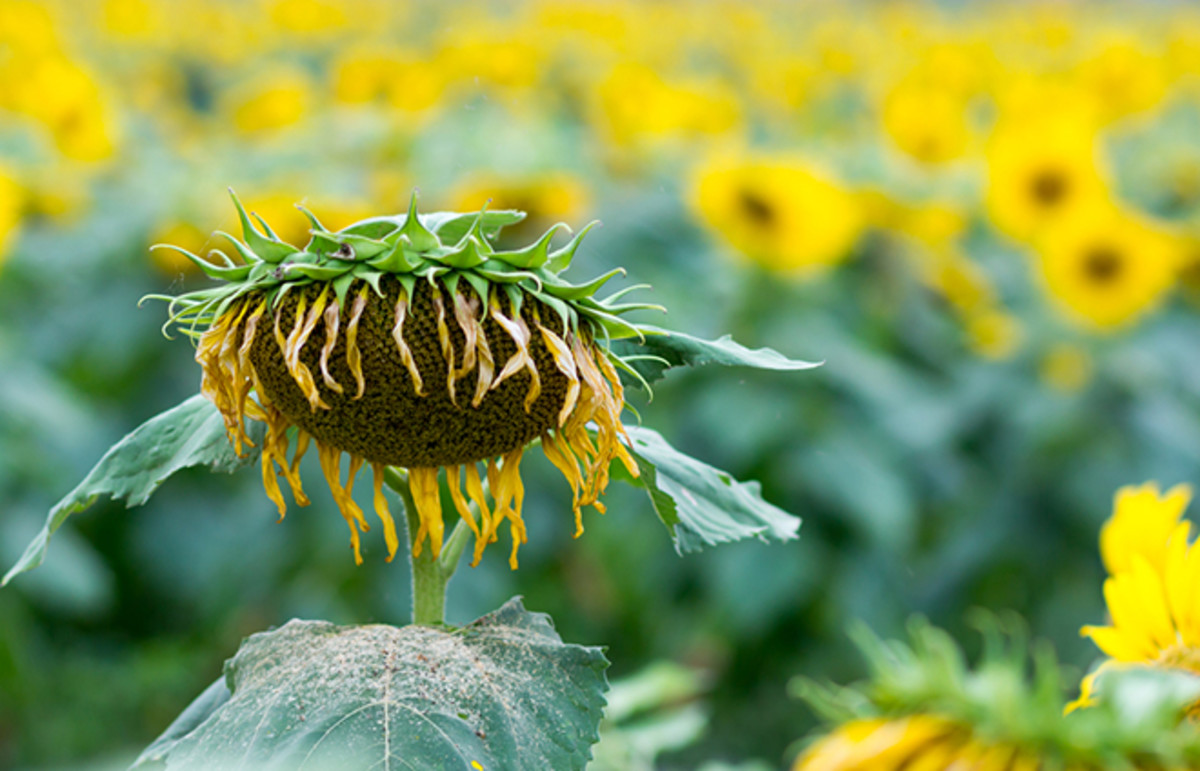
In Dolj County, for example, the lack of rain and scorching temperatures have forced farmers to begin harvesting sunflowers three weeks earlier than usual, as the plants have begun to dry out in the fields.
One local farmer, Dumitru Bita from the village of Castranova, highlighted the extent of the damage. He noted that in previous years, his sunflower yield averaged between 2,500 and 3,000 kilograms per hectare.
This year, however, he is struggling to reach 1,000 kilograms per hectare. This situation is not unique to Bita, as many farmers across the region are reporting similar losses.
Severe drought exacerbates the crisis
The heatwave has also led to a severe and ongoing drought, further compounding the difficulties faced by Romanian farmers.
The National Meteorological Administration has warned that the drought is expected to persist, with no significant rainfall on the horizon. In Dolj County, approximately 65% of all sunflower crops have been affected, with many fields now entirely barren.
The drought’s impact is not limited to crops alone. In Galati County, located in the southeastern part of the country, the Talabasca Lake is almost entirely dry after three months without rain. This environmental degradation is a stark reminder of the broader challenges posed by climate change, which is increasingly affecting Romania’s agricultural productivity.
Government response and compensation
In response to the widespread agricultural damage, the Romanian government has announced several measures to support affected farmers.
Agriculture Minister Florin Barbu has confirmed that farmers will receive compensation ranging from €200 to €250 per hectare of damaged crops.
The total estimated funds for this drought compensation programme are expected to be between €500 million and €600 million.
The government is also seeking additional financial assistance from the European Commission to further bolster support for the struggling agricultural sector. This aid is crucial, as many farmers are facing significant financial strain due to the loss of their crops.
In addition to direct compensation, the government is exploring other measures, such as delaying loan repayments for agricultural companies, to help alleviate the economic impact of the drought.
The need for long-term solutions
While the immediate government response provides some relief, the ongoing heatwave and drought highlight the need for longer-term solutions to address climate change’s impact on agriculture.
Romanian farmers are increasingly vulnerable to extreme weather events, and without significant investment in sustainable farming practices and infrastructure, the country’s agricultural sector may continue to face severe challenges.
As the situation unfolds, it is clear that Romania’s agricultural sector is at a critical juncture. The heatwave has not only devastated crops but also underscored the urgent need for a comprehensive strategy to mitigate the effects of climate change.
Whether through improved water management, the adoption of drought-resistant crops, or other innovations, Romania must adapt to the new realities of a changing climate to ensure the future of its agricultural industry.
Source - https://invezz.com