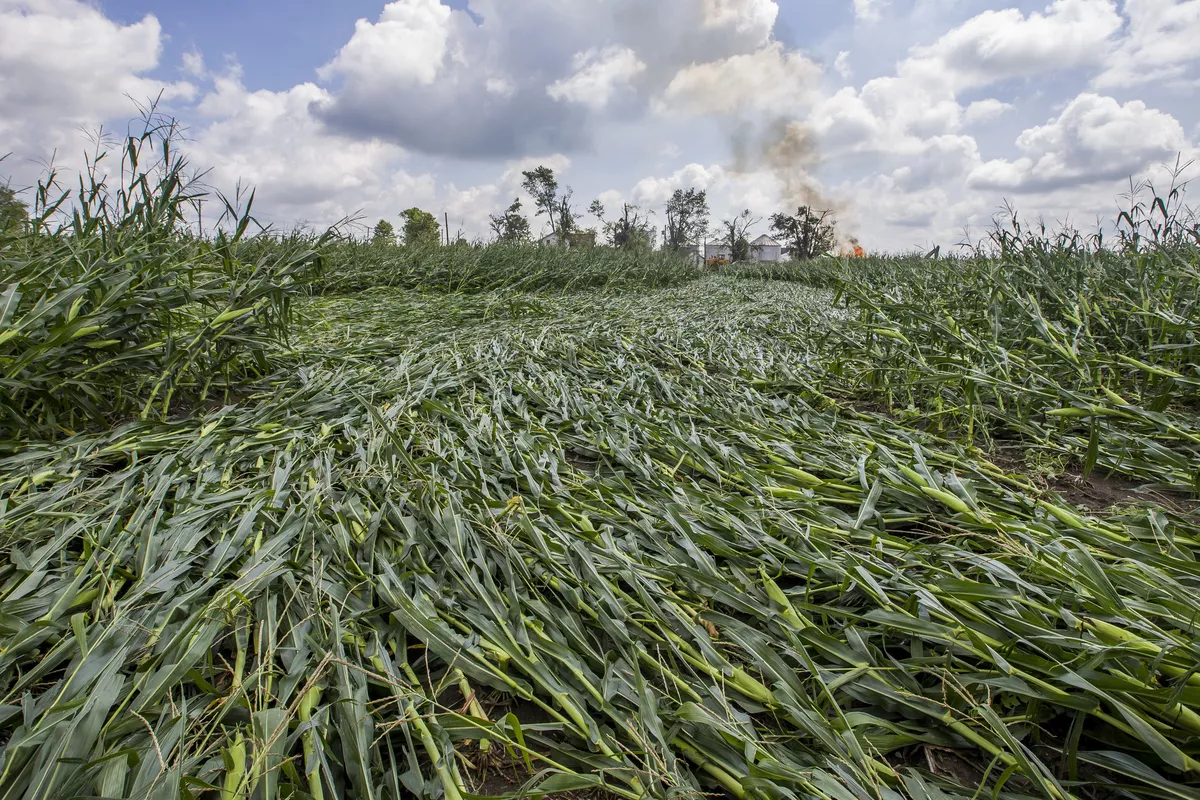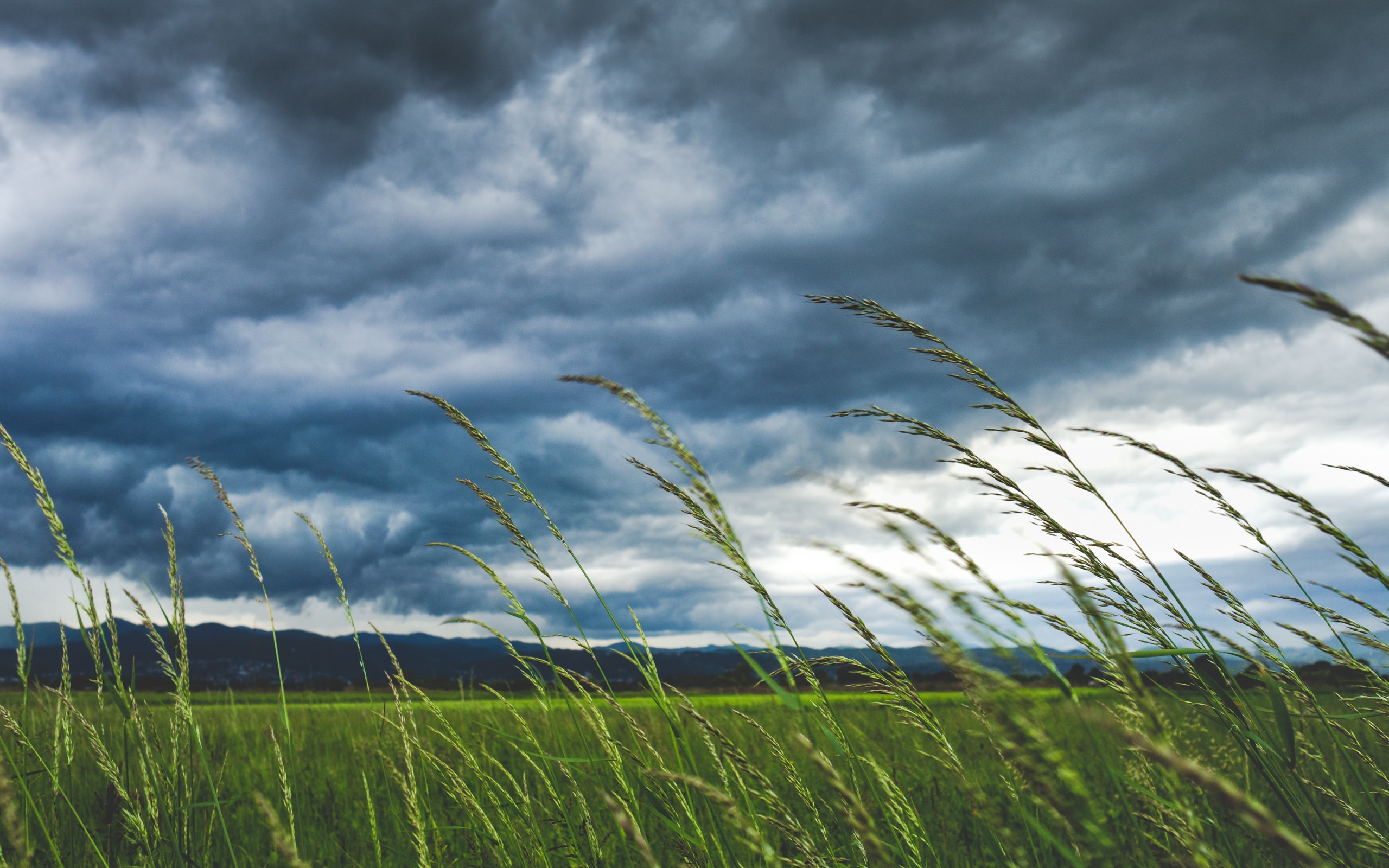
A recent study indicates that the simultaneous decline in agricultural yields in many regions of the world has so far been underestimated by computer models. Scientists have observed that this is related to the occurrence of extreme weather events. What does this mean for the world?
Climate change, driven by society's consumption of fossil fuels, is putting increasing pressure on humans and other living things. Global warming is increasing the frequency and intensity of weather extreme events and the likelihood of them occurring simultaneously around the world.
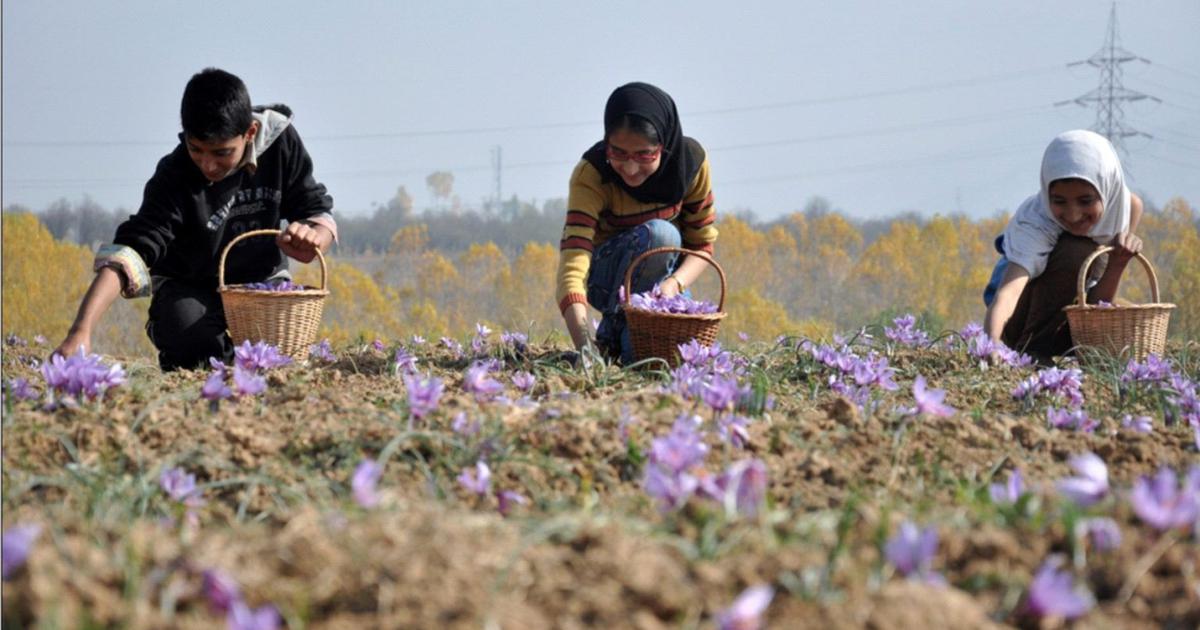
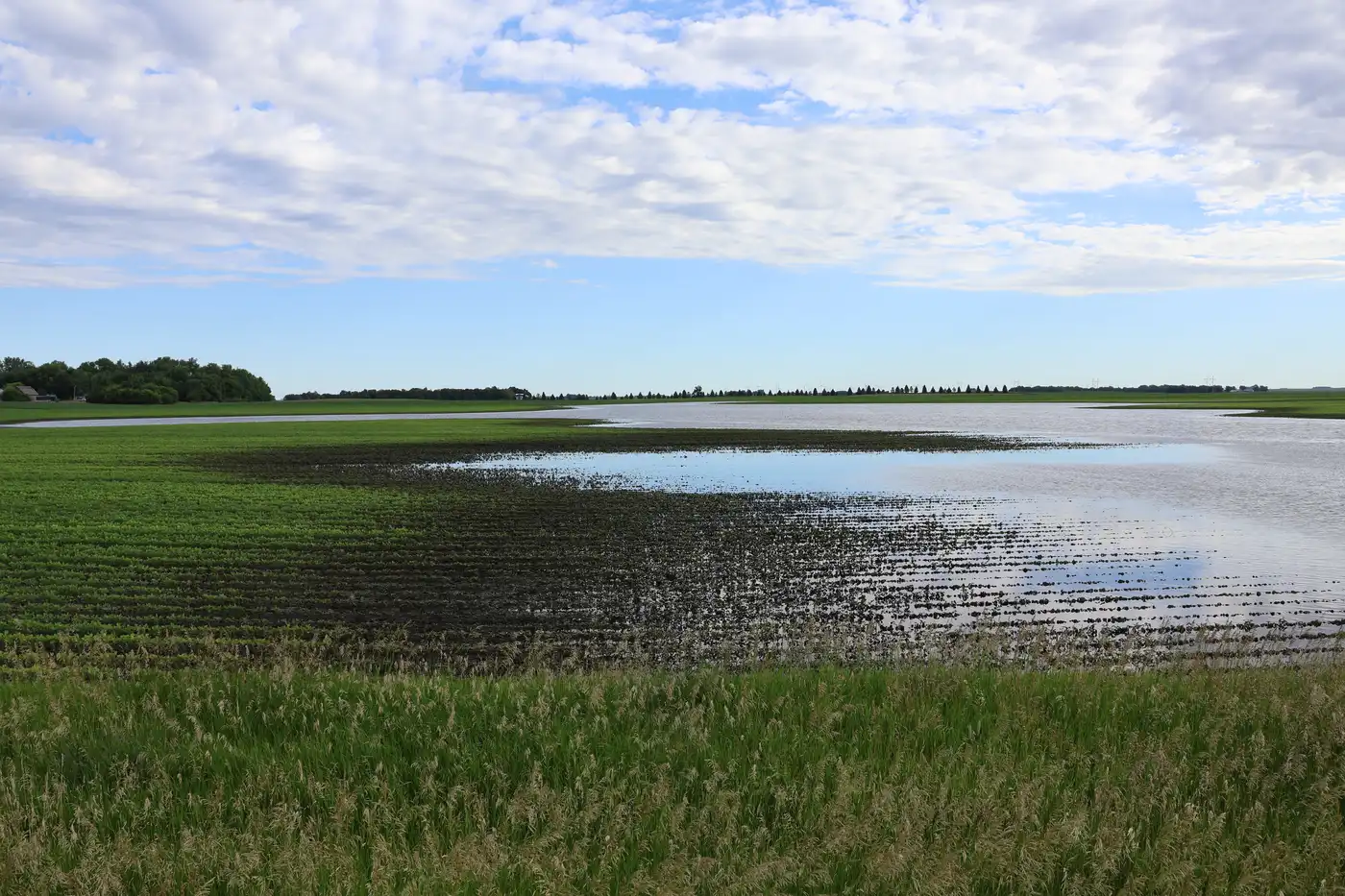
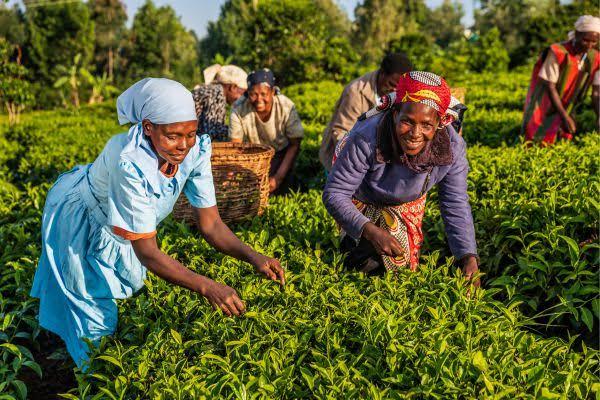
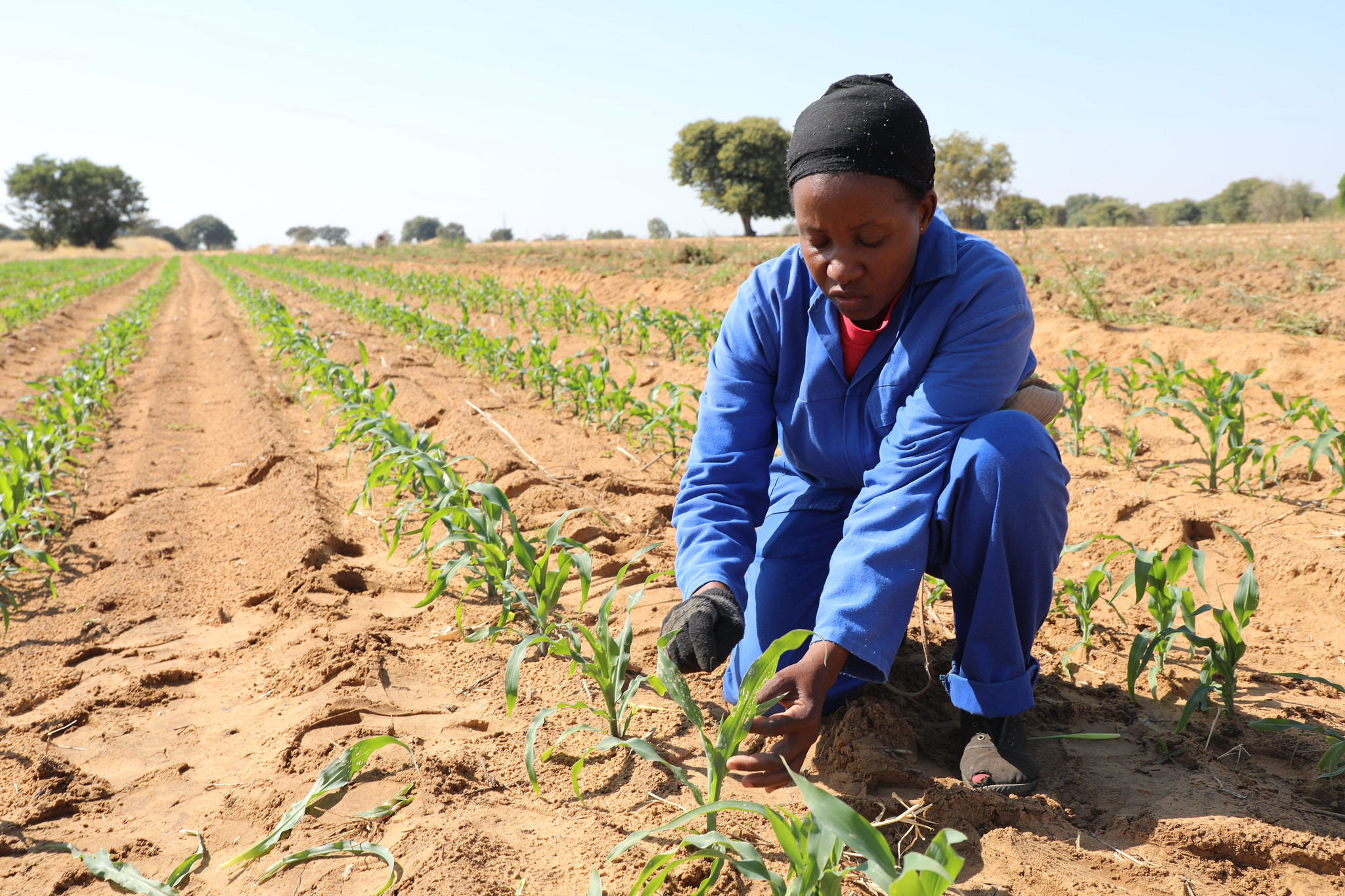
Rising temperatures are intensifying extreme events such as heat waves, droughts, floods, fires and storms. All of them have an impact on the decline in agricultural yields. It may also cause a simultaneous reduction in food production in many regions of the world.
In 2021, more than 828 million people will be affected by famine, and climate change could increase that number by up to 80 million by the middle of the century.
Declining agricultural harvest. Climate models underestimate the impact of weather anomalies
Scientists led by climatologist Kai Kornhuber of the Lamont-Doherty Earth Observatory at Columbia University decided to look at records of observational data from 1960 to 2014, followed by climate model predictions from 2045 to 2099.
Climate models simulate atmospheric patterns quite accurately, but they no longer underestimate the frequent weather anomalies associated with them. And it is this aspect that is important to study their negative impact on agricultural crops around the world. Scientists also paid special attention to this in their article published in the journal "Nature Communications".
Researchers have noticed that the simultaneous occurrence of weather extremes may coincide with periods of crop failure, i.e. declines in agricultural yields. This, in turn, could have disastrous consequences for feeding the population living in vulnerable regions.
Climate models have so far shown the atmospheric motion of the jet stream well, but they have underestimated the magnitude of weather extremes. "We need to be prepared for these kinds of complex climate hazards in the future, and current models don't seem to take that into account," Kornhuber said.
Effect of jet stream patterns on agricultural yield decline
Scientists set out to study meandering jet streams and the causes and effects of their impact on agricultural crops.
Stream currents do not flow only in one direction. Sometimes they bend and meander unpredictably like rivers. According to scientists, this is not a good prognosis for the ongoing climate change. Meandering currents contribute to high-pressure weather systems. They create a strong blockage, preventing the formation of low-pressure systems that bring clouds and rain with them.
Strong meandering of the jet stream, flowing in the form of large waves - the so-called Rossby waves - has a particularly significant impact on key agricultural regions in North America, Eastern Europe and East Asia. Its impact can also reduce harvests by up to 7%. At the same time, global food production could fall by 3%.
The authors of the study observed that, in quantitative terms, the complex relationship between dynamic jet stream patterns, extreme weather events and crop anomalies has so far only been determined at a regional level, not a global one.
– Simultaneous crop failures in major crop producing regions pose a systemic risk. Because the associated spikes in food prices can lead to conflict and malnutrition in countries that rely on imports, Kornhuber and colleagues found in the study. “Therefore, understanding the likelihood of simultaneous crop failures and the extent to which models can reproduce the observed relationships is important for increasing the resilience of the global food system and mitigating climate risks.
Weather pattern in 2010
In 2010, a large, stagnant weather pattern changed the dynamics of the jet stream, disrupting the normal, stable movement of weather systems. This event also caused extreme heat in which a mass of hot air was trapped over western Russia for extended periods of time. In turn, rainfall in the Indian monsoon region shifted huge amounts of moist air towards Pakistan. This has led to extreme flooding in the country. Both extreme weather events in Russia and Pakistan had one thing in common - a negative impact on farmers' yields.
Opinions of the scientists who conducted the research
“Our research identifies a scenario where the impact of [changes on food security – ed.] red.] is large if the jet stream causes extreme weather conditions in many food-producing countries at the same time. This could have serious consequences for vulnerable countries and groups, says the study's lead author, Dr. Kai Kornhuber.
Another co-author of the paper, Dr. Jonas Jägermeyr of Columbia University and the NASA Goddard Institute for Space Studies, also sees the serious effects of the changes. “Historically, regional production losses in one location were amortized by the global market. In situations of simultaneous losses, however, the trading system can become destabilized, spreading the problem to much larger regions.
– The uncertainties identified highlight the need to step up efforts to reduce greenhouse gas emissions. To prevent extremes from growing beyond adaptive capacity, says Dr. Corey Lesk, co-author at Dartmouth College.
Source - https://agroinsurance.com