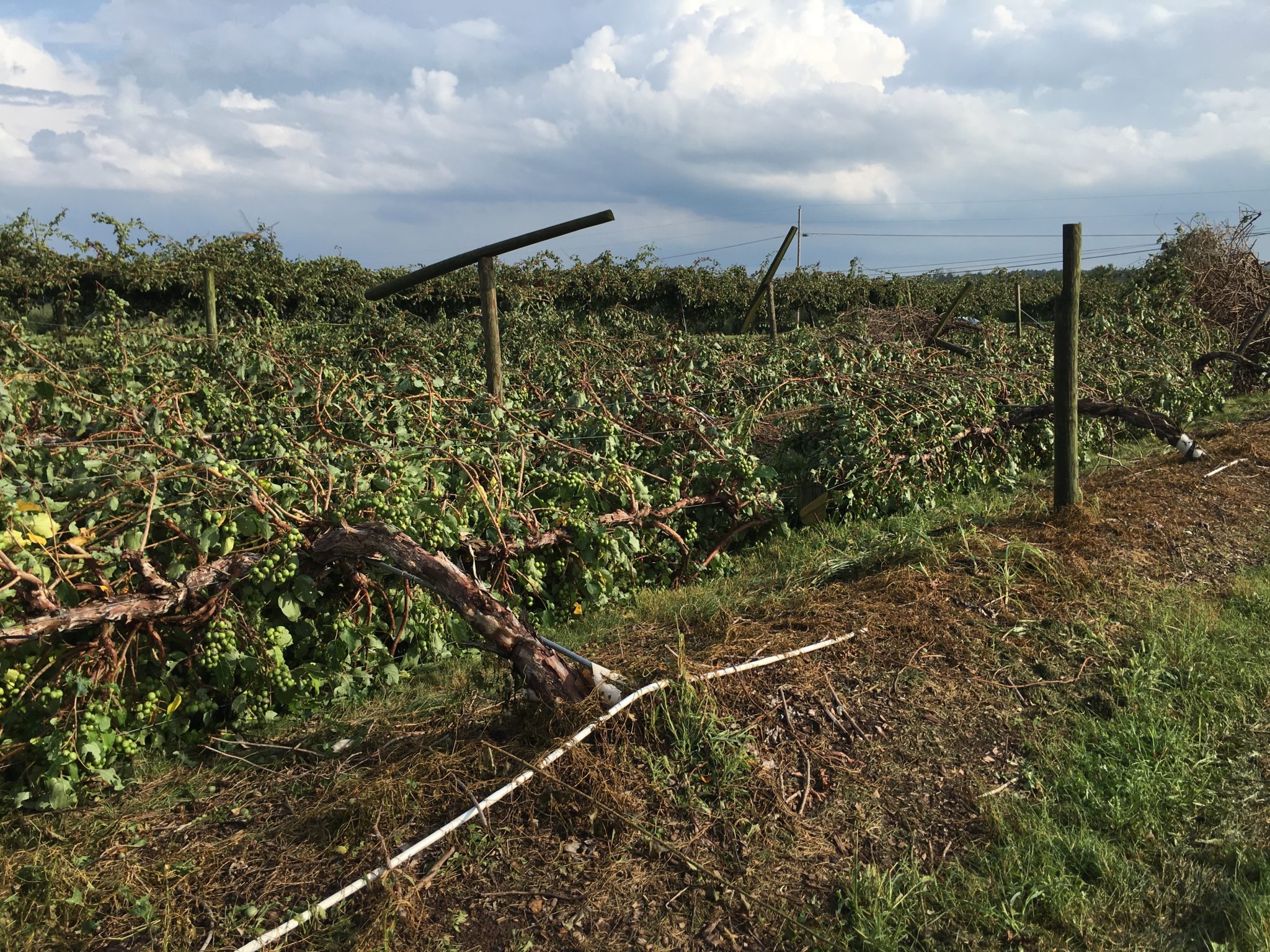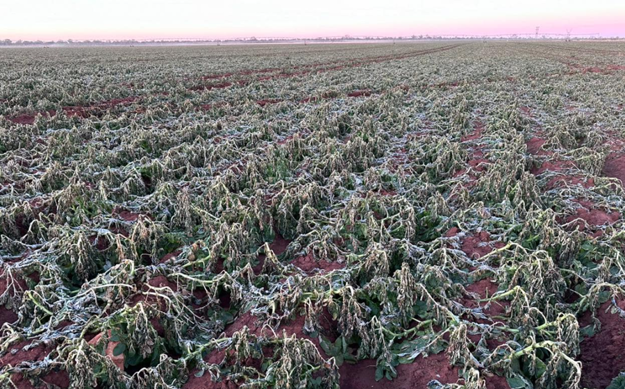
Atypically low temperatures over South Africa – plunging to –6oC just before daybreak in parts of the Bushveld – have left collapsed fields of vegetables and even frozen citrus fruit and orchards across widespread areas of Limpopo Province. Low-lying orchards and fields in the Limpopo River Valley have sustained big losses.
The Citrus Growers' Association has warned growers not to pack any fruit that had frozen because it would be of unmarketable quality upon overseas arrival.
Farmers distraught
Deidré Carter, CEO of agricultural lobby group for the region, AgriLimpopo calls the damage to vegetable crops 'catastrophic': "We have been in contact with many farmers who are absolutely distraught. Potato farmers, tomato farmers, peppers, avocado, citrus, berries, macadamias and other cash crop producers have reported significant losses due to the unprecedented cold snap, leading to fears of a substantial reduction in the availability of these essential commodities."
A loss on the potato crop amounting to R470 million (almost 24 million euros) is mentioned; Potatoes South Africa is still busy surveying the extent of damage. "According to our figures at this stage, it appears that an equivalent of 2,840 hectares were affected by frost damage," says FP Coetzee, information manager at the potato industry organisation. "Losses are estimated at 32% of the crop, representing four million bags [10kg]. To put that in perspective, in 2023, nationally 8 million bags below the long-term average were harvested. Current frost damage represents 50% of that."
Coetzee says that a potential increased supply of smaller potatoes over the short-term could put pressure on markets, with an approximate six-week gap in volumes. "It's still too early to make a final verdict on the true extent of the damage; some of the potatoes might yet recover. Additionally, there's an expectation that the cold isn't over and that would impact the recovery of damaged potatoes."
Vegetable farmer Tinus Venter of Janlouis Boerdery thinks he was relatively fortunate. Around 50% of his blocks have been lost due to the repeated night frosts, but he has spoken to colleagues in the farming industry who have lost 80% to 100% of their crops.
"In the 24 years we've been on the farm, it's definitely the coldest I've ever experienced it," Venter says. He farms north of the Soutpansberg mountain range, close to Botswana. "Sunday evening we had a lot of damage, then again on Tuesday morning and Wednesday morning frost - usually we get a single morning of frost per year. Having frost on five or six consecutive days is completely unusual."
Plunging supply will trigger surge in veg prices
The damage caused is "astronomical", Venter says. "Vegetables, and particularly potatoes, will be unaffordable by the end of this month."
Johannesburg fresh produce market agent Jan Potgieter of The GROW Group agrees. "This winter, you can prepare yourself for very high vegetable prices. Tomato prices will start climbing in two or three weeks' time, when the fruit harvestable after this frost have been worked out."
His expectation of a price of R200 (10.2 euros) per 10kg bag of potatoes are shared by others in the industry. Yesterday morning, a 10kg bag of potatoes was still selling nationwide at R60 (3 euros).
Tomatoes from the Onderberg in Mpumalanga province, from high-lying areas behind the Soutpansberg in Limpopo, as well as tomatoes grown along the Orange River in the Northern Cape and grown in tunnels in East London (Eastern Cape) will have to fulfil the whole country's requirements.
Certain vegetable lines will be immediately affected: spinach, beans, baby marrows, while the cold impact on pumpkins, tomatoes and potatoes will become tangible in a few weeks' time.
Source - https://www.freshplaza.com