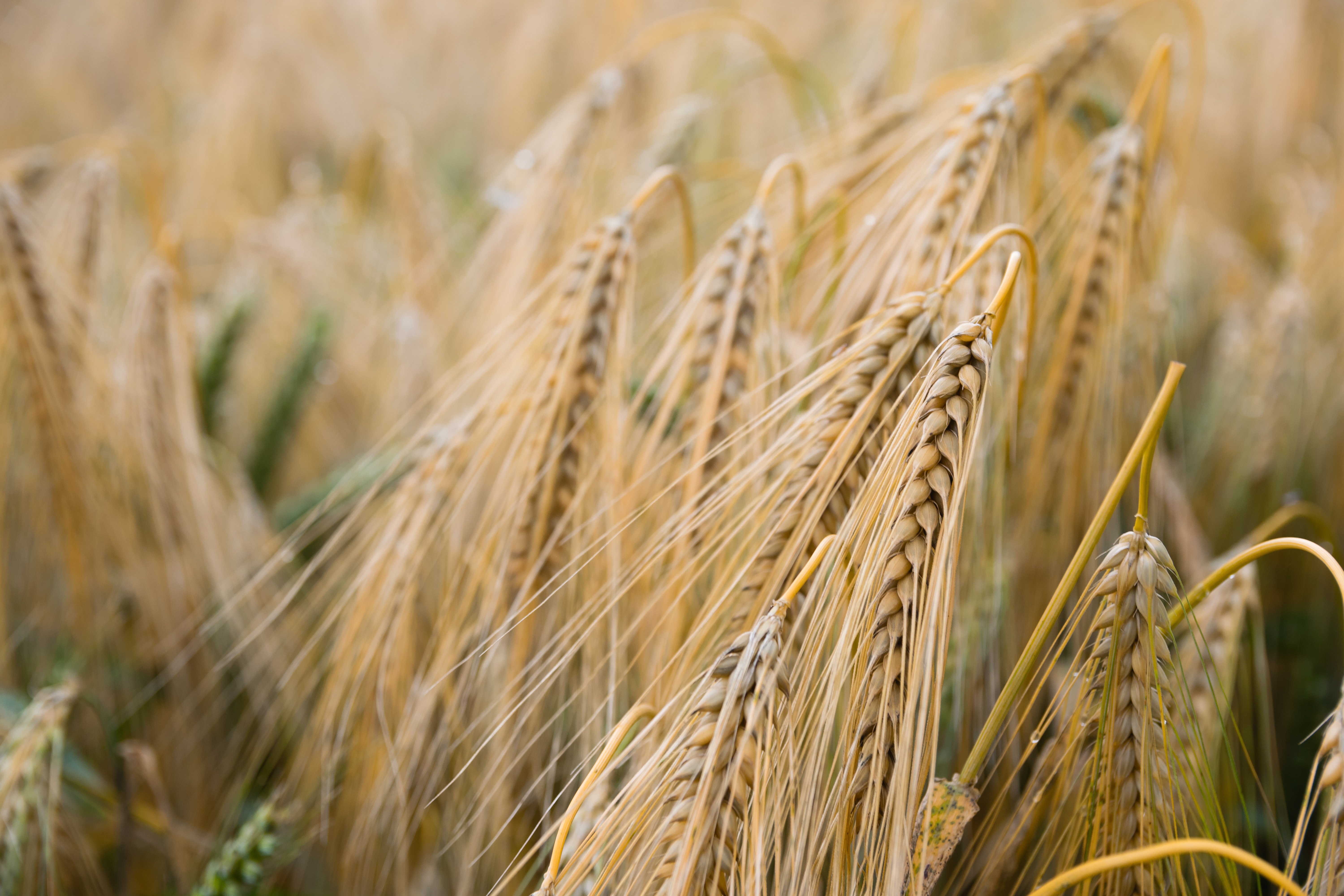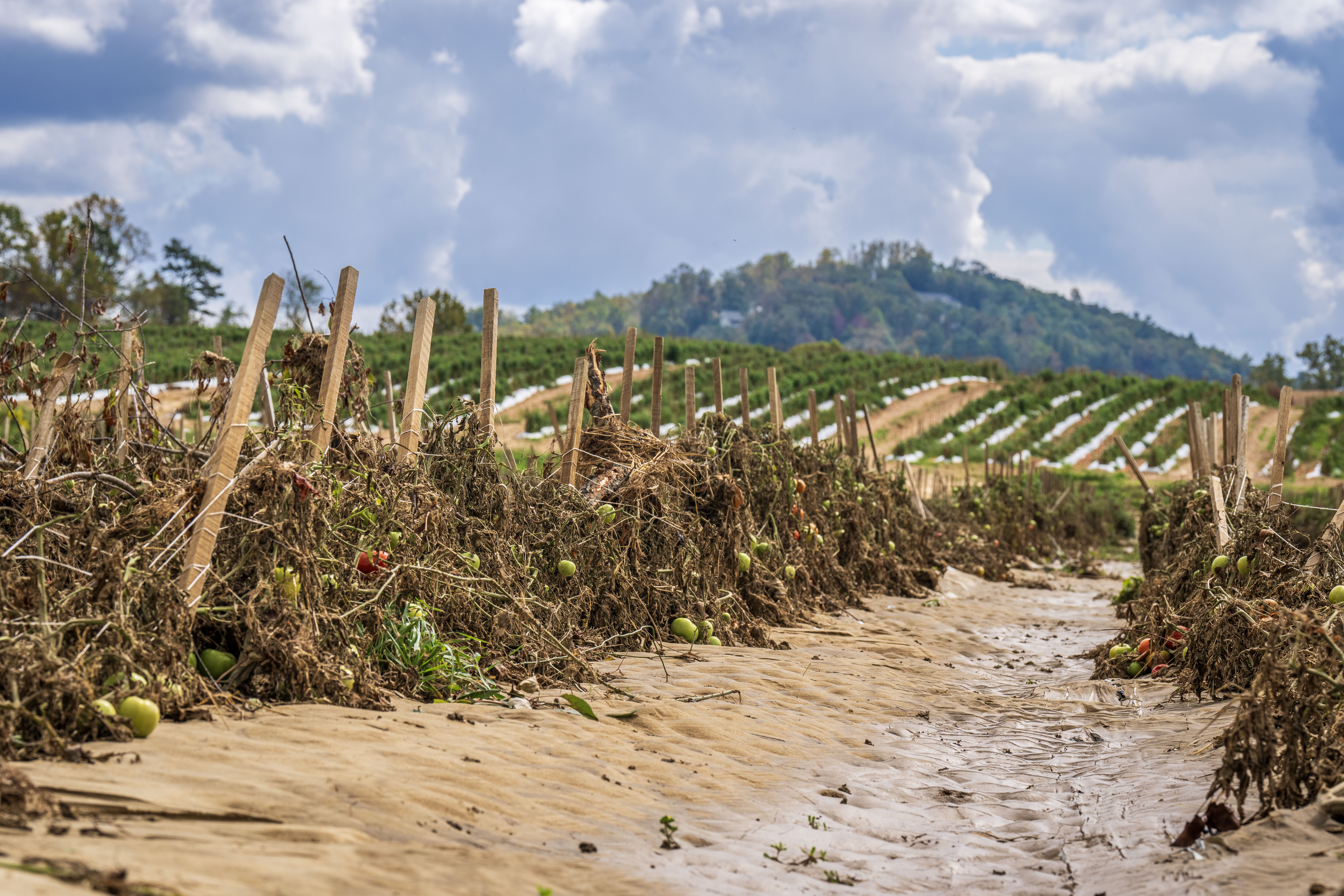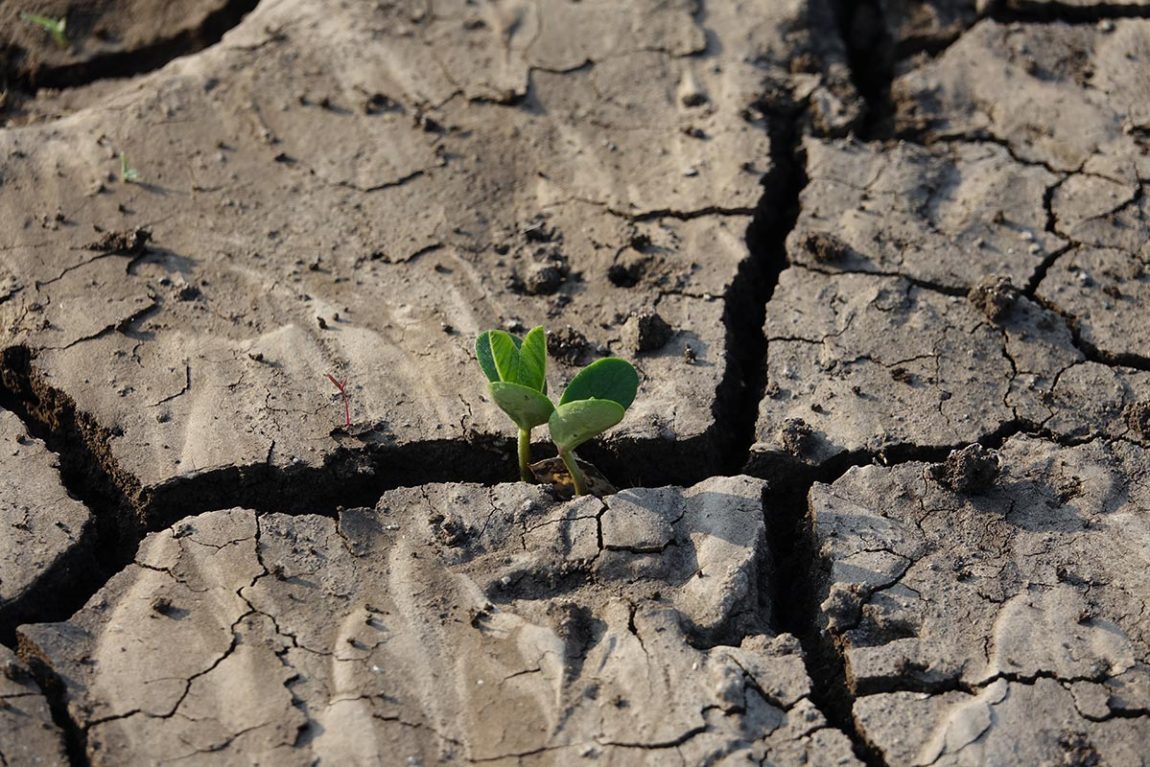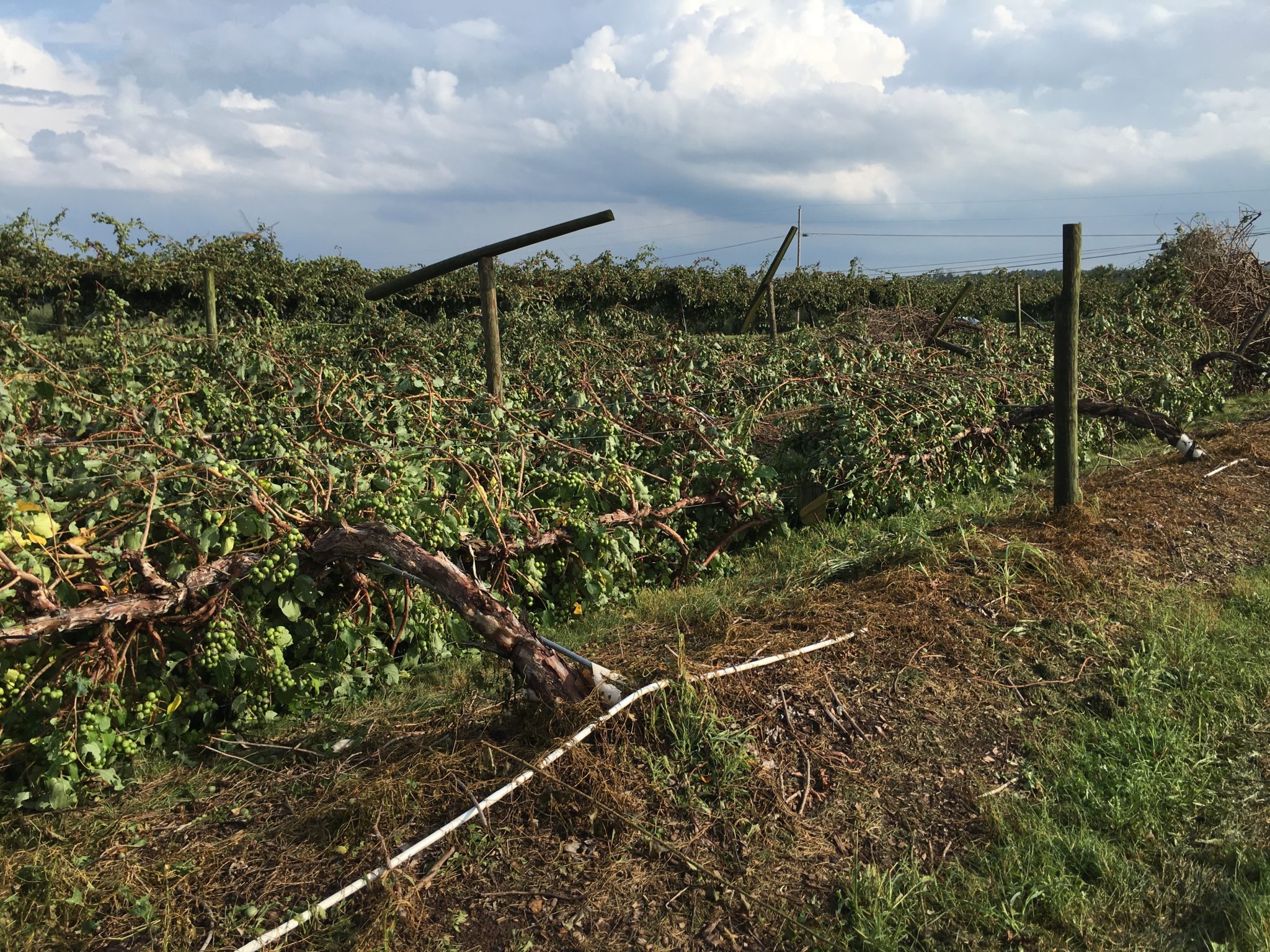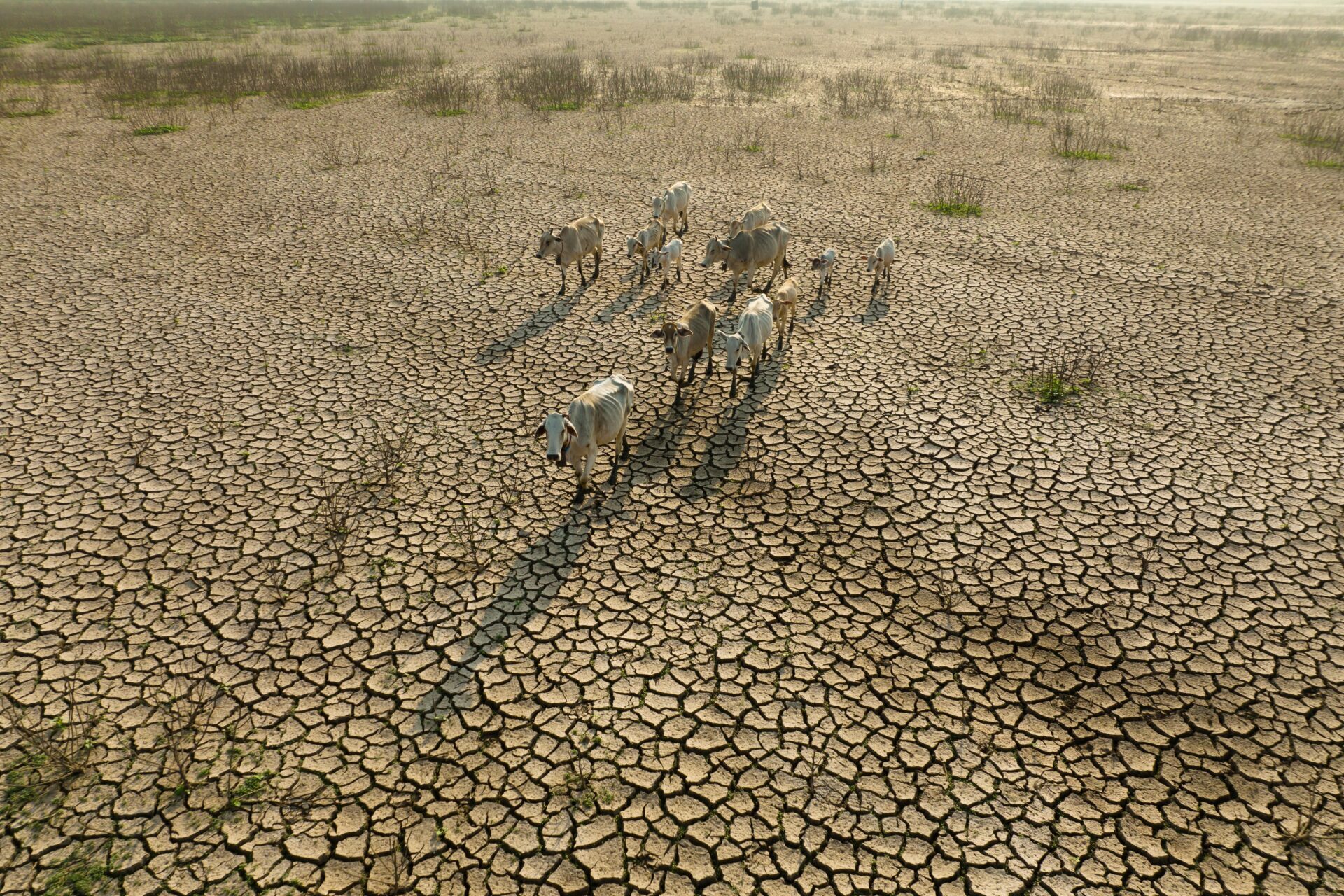
In Southern Africa, the El Niño weather phenomenon is a significant factor, driving humanitarian needs. Its effects, including drought, erratic rainfall, flooding, and high temperatures, vary across different areas within countries. The region is experiencing extremely dry conditions during the 2023/24 El Niño season, including one of the driest Februarys in over 40 years, resulting in widespread crop failure across central parts of the region. These conditions have also led to water scarcity, diminished crop yields, and subsequently, food shortages, along with displacement and the proliferation of diseases. These challenges are expected to escalate food insecurity and malnutrition levels, disrupt education and healthcare services, and exacerbate economic hardships in the region. The areas of highest concern due rainfall deficits from January to March are Zambia, Zimbabwe, southern Malawi, central Mozambique, southeastern Angola and northeastern Botswana. Lesotho, eSwatini and southern Madagascar will also be severely affected.
The key messages were developed by a RIASCO El Niño task force. The Regional Interagency Standing Committee (RIASCO) is a senior-level forum whose main objective is to identify, help address, and advocate on key operational and strategic issues that are critical to the effective delivery of humanitarian assistance in Southern Africa. The detailed technical version of the key messages is available in the Annex section
KEY MESSAGES
-
El Niño effects will have severe consequences on livelihoods across the region. An estimated 70 per cent of the population in Southern Africa is dependent on agriculture for subsistence, communities affected by El Niño are projected to have lower harvests and fewer livelihood opportunities. These factors will culminate in a deeper and earlier 2024/2025 lean season, which usually starts in November.
-
Reported drying water points for livestock and poor pasture establishment will result in livestock deaths, loss of income, increase the movement of people, livestock, and wildlife in the affected areas, triggering increased outbreaks of transboundary livestock diseases, including zoonotic like anthrax.
-
El Niño effects are hitting at a time of already significant protracted unmet needs, with alarming levels of food insecurity. About 18 million people are currently experiencing crisis levels of food insecurity (IPC Phase 3+) in Angola, Botswana, Eswatini, Lesotho, Namibia, Madagascar, Mozambique, Zambia, and Zimbabwe while Malawi is estimated to have 4.4 million people or 22 percent of the population facing IPC 3 and worse between October 2023 and March 2024. Unless response is urgently scaled-up, the situation will deteriorate further.
-
The impact of El Niño on children’s nutrition and health is grave, with 3.5 million children in need of nutrition treatment services, out of which more than 900,000 will require treatment for severe malnutrition in Angola, the Democratic Republic of Congo, Mozambique, Malawi, Namibia, Madagascar, Zambia, Zimbabwe, Eswatini and Lesotho. An estimated 21 million children under five are stunted in the Southern Africa region. This is an increase from 18.6 million reported in 2022. Further deterioration in the nutritional status of children is expected as the lean season continues. Even where food is available, price inflation makes a nutritious diet inaccessible to many. Malnourished children face a higher risk of death from preventable diseases such as diarrhoea, pneumonia, and malaria.
-
Local water scarcity is a concern, with potentially serious implications for public health and security, and livelihoods in a region already battling a serious cholera outbreak. Vector-borne diseases such as yellow fever, malaria and dengue often increase in dry conditions while the increased usage of unsafe water sources can lead to a rise in trachoma, cholera, typhoid, and bilharzia cases. Furthermore, evidence suggests that women and girls are exposed to increased risks of gender-based violence when water is scarce as they are forced to travel long distances (often alone) in search of potable water, making them vulnerable to sexual violence.
-
Health services may be disrupted due to extreme climatic events caused by El Niño. Floods and cyclones cause damage to health infrastructure and displace communities. Displacement, crowding and lack of access to vaccinations are likely to increase the risk of several vaccine-preventable diseases, such as measles and polio. Demand for healthcare services will also likely increase at a time when most countries in the region are struggling to sustain public healthcare systems.
-
Climate induced shocks and the associated closure of schools, full or partial destruction of school infrastructure and learning materials have a devastating impact on children’s learning. El Niño effects, mainly drought, contribute to children’s vulnerability to dropping out of school as families are forced to prioritize food and water over education, leaving them more vulnerable to child labour, child marriage and recruitment into armed groups.
-
Normal to above-normal rains in some areas provide a window of opportunity for investing in increased agricultural production to address food insecurity and the enhancement of water harvesting and management techniques.
-
Funding gaps are hindering response efforts. For example, in the nutrition sector, 70 percent of 2023 needs in southern Africa remained underfunded, with the highest funding gaps noted in Zimbabwe, Angola, Malawi, and Mozambique. This means a significant number of children and pregnant and breastfeeding women will remain unreached in these countries despite the immense needs resulting from El Niño and other drivers.
Source - https://reliefweb.int