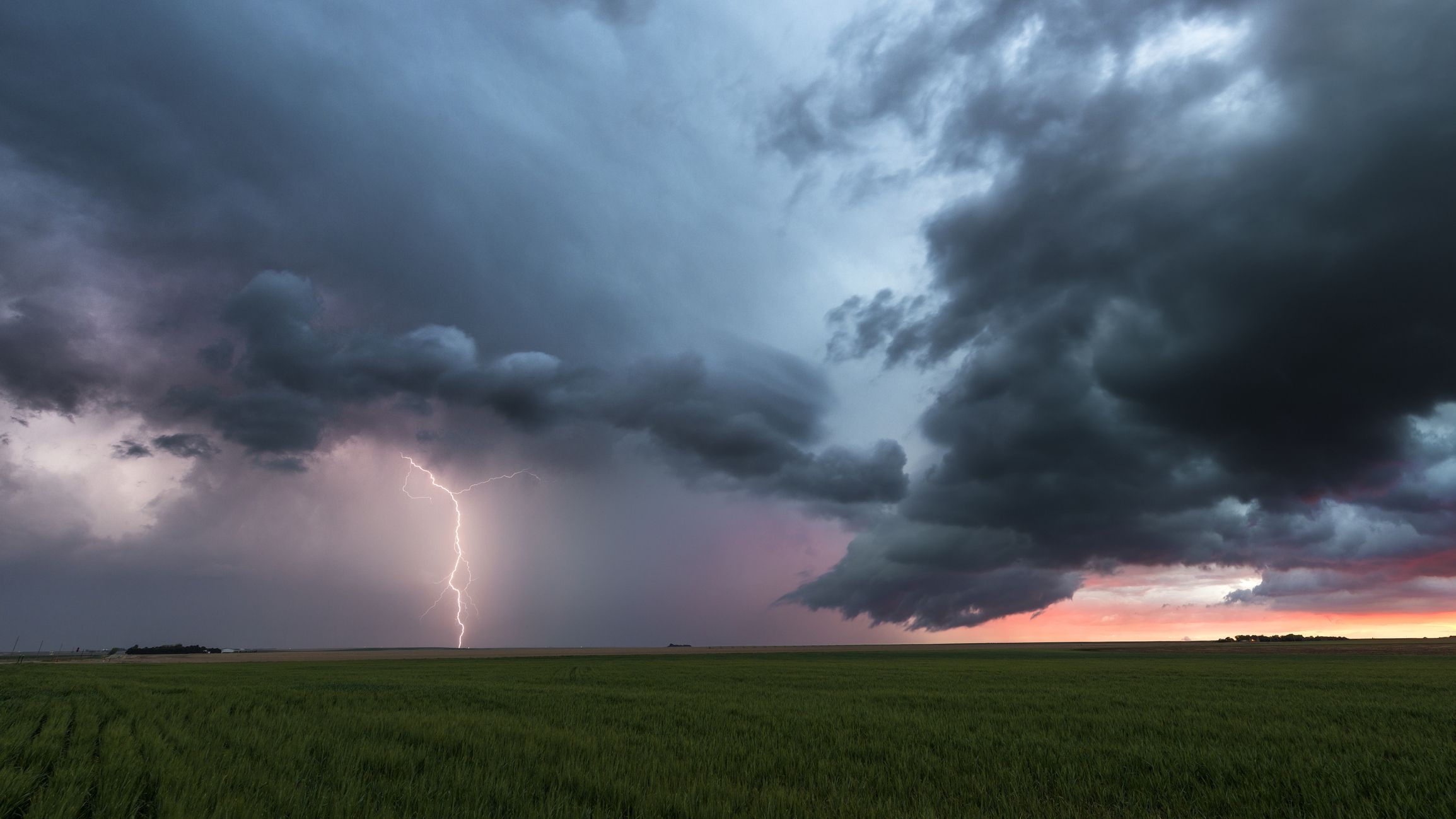
It has been reported that at the beginning of June 2024 nine people died and over 2000 households have been demolished due to sever flooding in the Eastern Cape. KwaZulu Natal reported that 10 people had died following the heavy rainstorm and strong winds. The resultant flooding caused extensive damage to property and infrastructure and resulted in power outages and multiple injuries.
Two days later, the South African Weather Service issued a disruptive snow warning across high-lying parts of the Western Cape, Eastern Cape and KwaZulu-Natal. The snow in these regions caused disruptions in supply chains and logistics. Road closures and hazardous driving conditions delayed the transportation of goods.
The combination of the flooding events and the snowfall will also likely impact the farming industry as all three of these areas play a crucial role in South Africa's agricultural output, each specializing in different types of farming based on their unique climates and geographical conditions. The agriculture sector in these regions, which is critical to the local economy, will suffer losses due to crop damage and soil erosion.
In the realm of natural disasters, we often hear about the devastating impacts of primary perils such as earthquakes, tsunamis, and extreme tropical cyclones. These events have the potential to cause significant widespread damage and loss. However, there’s another category of perils that, while less dramatic, can be just as impactful over time – secondary perils. Due to their significant loss potential, typically these perils are sophisticatedly modelled in the industry and well understood.
Secondary perils include smaller-scale events, such as the examples seen across South Africa. These events occur more frequently and result in lower individual losses. Examples include hailstorms, floods, droughts, and wildfires. Secondary perils can also follow primary perils. For example inland flooding following a tropical cyclone. While these events may not grab the headlines of their primary counterparts, their cumulative impact have become substantial, particularly given their increasing frequency.
The Rising Importance of Secondary Perils
The increasing significance of secondary perils to the insurance industry is driven by several factors. Climate change, with its associated shifts in weather patterns and increased frequency of extreme weather events, has led to a rise in cumulative losses from secondary perils.
Moreover, the modeling of secondary perils presents a unique challenge. Traditional catastrophe models which rely on historical loss data are becoming less reliable for purposes of risk management due to the changing frequency and intensity of these events. As a result, there is a call for the insurance industry to develop innovative tools and approaches to more accurately assess climate change risks and map out potential future risks.
Challenges Posed by Secondary Perils
The growing impact of secondary perils also raises concerns about insurability. As extreme weather events become more common, insurers are having to pay out larger amounts and numbers of claims more frequently. This has had an impact on the industry in several ways:
- Some insurance companies are excluding coverage for certain locations and risks which are regarded as uninsurable.
- Insurance premiums are rising to levels that many cannot afford.
- A tough reinsurance market where reinsurers are reducing their capacity and increasing the rates significantly which has an overall impact on the premiums paid by policyholders and the insurers’ ability to provide cover.
The President’s 2024 State of the Nation Address highlighted the establishment of the Climate Change Response Fund, which aims to mitigate the devastating effects of climate change that manifest themselves through persistent floods, fires and droughts. The fund was also established in response to warnings from the insurance industry about the potential uninsurability of certain regions due to extreme weather events.
In 2022 we saw a global surge in flood losses. The heavy rains in eThekwini, South Africa, caused extensive flooding, resulting in billions of rands in property damage. Extreme rain events involve intense, localised heavy rain and snowfall within a short timeframe. Losses are increased by growing urban population.
While there is debate about whether these floods can be directly attributed to climate change, it is undeniable that climate change is increasing the intensity and frequency of storm systems worldwide. In terms of a worldwide impact, four weather perils have been identified namely floods, tropical cyclones, winter storms and severe thunderstorms which have caused a global estimated economic loss of USD 200 billion a year. An example being that currently the Philippines have lost 3% of their GDP to events caused by one of the four weather perils.
In the wake of events like the eThekwini floods, insurance companies received thousands of claims, ranging from homeowner’s insurance and motor claims, property and business interruption claims, liability claims, and claims in the marine insurance space.
Other risks such as wildfires and hailstorms are also increasing in frequency and resulting in significant losses. A prime example is the April 2021 wildfires in the Western Cape that caused significant damage to the University of Cape Town. The damage to UCT is estimated to be about R1-billion from a single event. This why reinsurers have warned that secondary perils are becoming the primary driver of insurance losses in the industry. A single peril has the ability to impact an insurance industry over multiple classes of insurance.
The hailstorms experienced by South Africans in the last couple of months have raised concerns of those insuring the renewable energy space as the risk of damage to solar panels from the hail and the resultant flooding, which impacts the operation of wind turbines, continues to threaten their clients’ businesses. In order for the industry to better understand these climate-related risks, insurers must adapt their underwriting models to better project these losses.
Conclusion
Secondary perils can no longer be regarded as secondary concerns. They are becoming pivotal factors to consider in the global risk landscape. South Africa is a prime example of their increasing frequency and severity which amplify their cumulative impact, posing a clear and present danger to economic stability. This, coupled with the threat of high-risk areas becoming uninsurable, increase in premiums and higher deductibles as well as a hardening reinsurance market, will negatively policyholders. The frequent exposure to these extreme weather events can degrade property values and increase long-term expenses. Insurers need to improve their risk models to accurately assess the risks associated with secondary perils. There have already been progressive advancements in this regard as some insurers have incorporated Geographic Information Systems into their risk models which enables insurers to weigh risks of a property more accurately based on its location.
These events underscore the need to address the growing challenge of secondary perils. As climate change continues to increase the frequency and severity of such events, the insurance industry must evolve with agility to ensure it can continue to provide coverage while maintaining financial stability.
Source - https://www.nortonrosefulbright.com