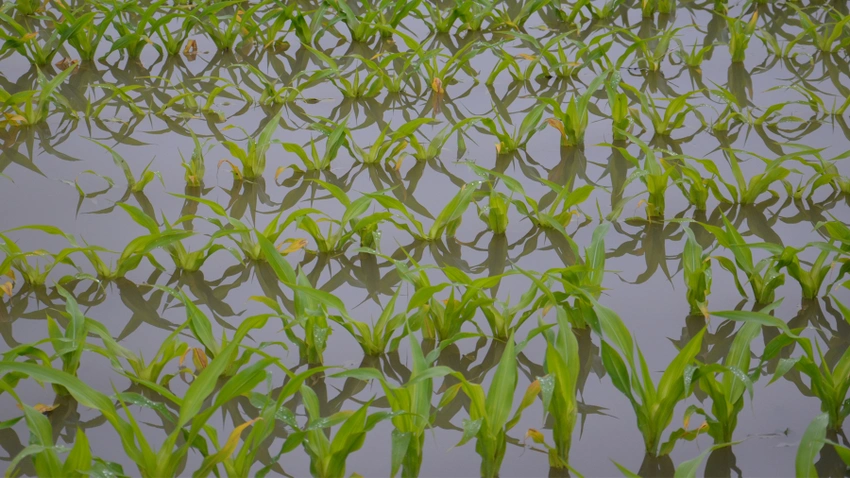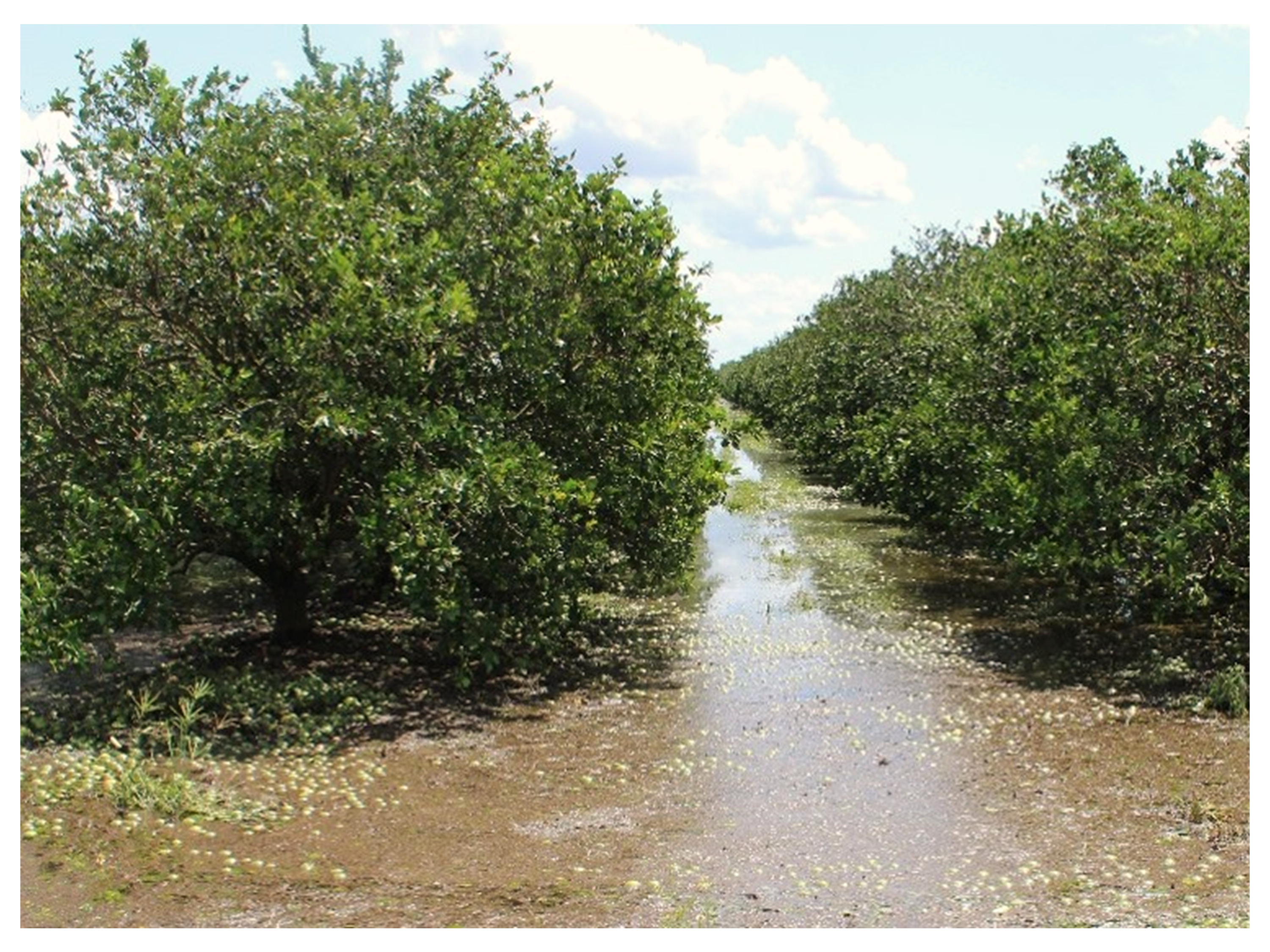
Rain is expected to continue in the Western and Eastern Cape as a cutoff low moves over. Snow has fallen over the mountains of the Western and the Eastern Cape.
"Given the recent rainfall and increased soil moisture over parts of the Western and Eastern Cape, sporadic heavy rainfall may enhance the possibility of flooding," notes the South African Weather Service in a press release today.
In the Western Cape the rain is going to affect soft citrus still hanging on the trees fairly heavily. The soft citrus season has been very early: in the Boland some producers have already finished with clementines, but in Citrusdal there are clementines still hanging for colour to develop.
The impending rain places pressure on the Western Cape’s soft citrus exports.
Rain constrains availability
South Africa’s citrus is grown over a large geographical spread, with very different climates, but even so there has been so much autumn rain over South Africa – both in the summer and winter rainfall areas – that citrus exporters tell FreshPlaza it’s not easy to find enough fruit.
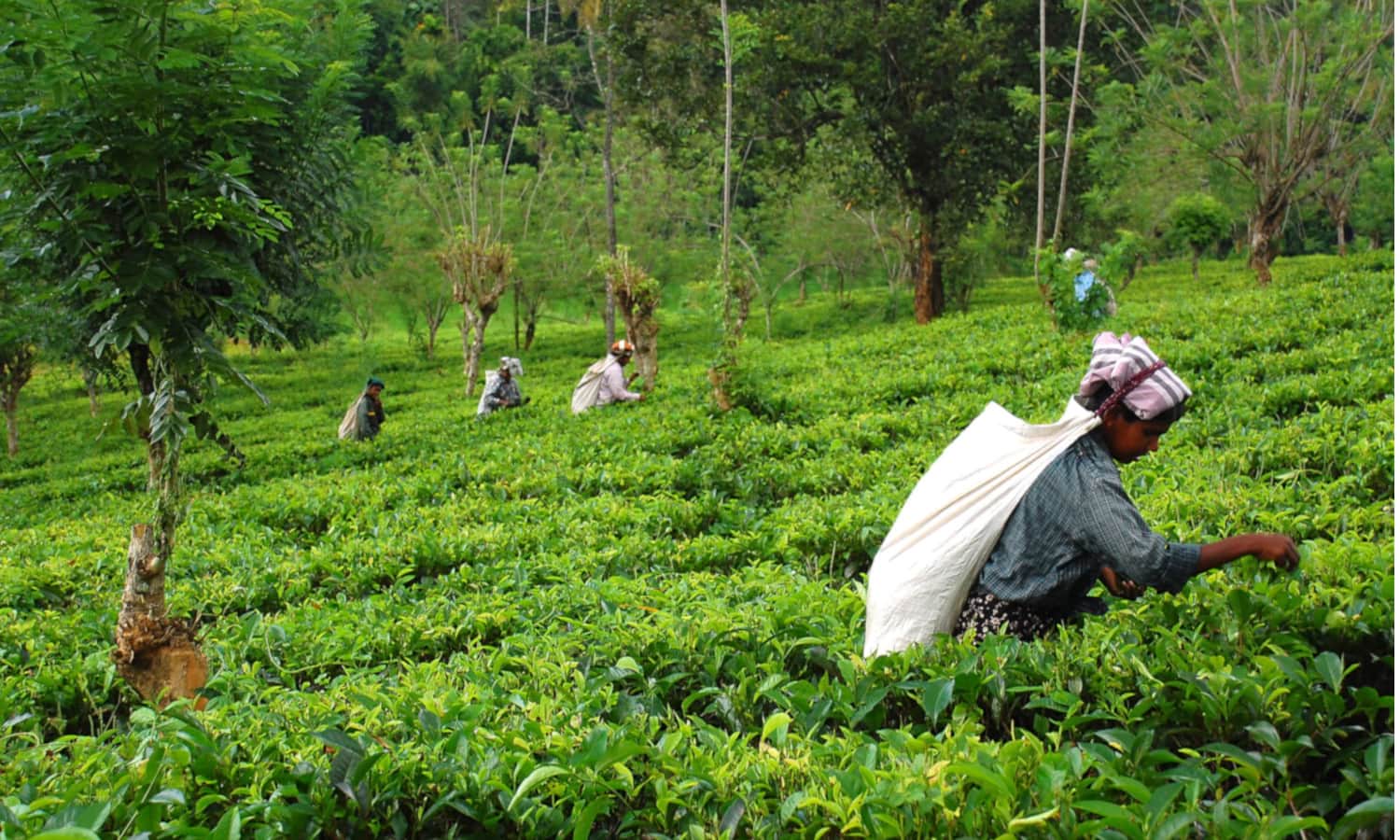
“With all of the rain we’ve had recently I’m short on all of my orders,” says an exporter. “Usually if I can’t get fruit from one area, I’d be able to go from region to region, from Limpopo through KwaZulu-Natal, the Eastern Cape and ending in Western Cape to fill up orders as ship moves from Durban to Port Elizabeth and Cape Town, but this year there’s been rain in every area, slowing down the harvest.”
Everyone is short, everyone has lost days of harvesting due to rain, and now more heavy rain is predicted which could rule out much of next week’s planned citrus picking as well.
Western Cape producers grow their fruit in a non-citrus black spot area, meaning both Europe and the USA are open for them.
A cold spring in Europe and England has stimulated citrus demand.
“In Europe and in the UK customers are screaming for fruit,” says a trader. “Spain is basically finished, and there are record prices for oranges from Egypt. They’re realizing they don’t have enough fruit to cover the next part of the season.”
Mitchell Brooke from the Citrus Growers’ Association notes a silver lining to the dark cloud bringing so much rain to South Africa.
In the organisation's latest newsletter he writes: "Recent heavy rains in the region [of the Eastern Cape] could see production drop for a short period allowing the logistics system to recuperate after some constraints emanated due to the increase in production, as well as disruptions from rain."
Source - https://www.freshplaza.com