South Sudan - Poor rainfall leads to crop failure in Mvolo County

24.07.2024 493 views

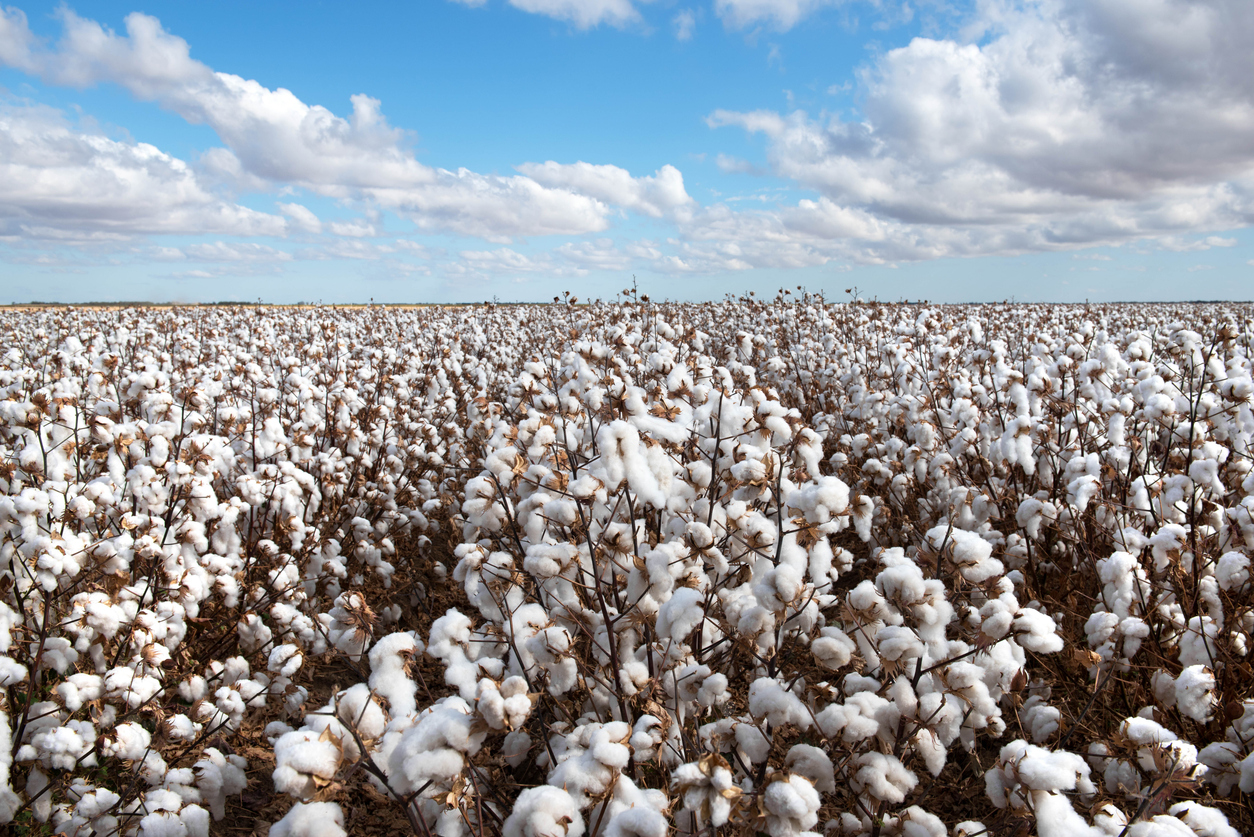
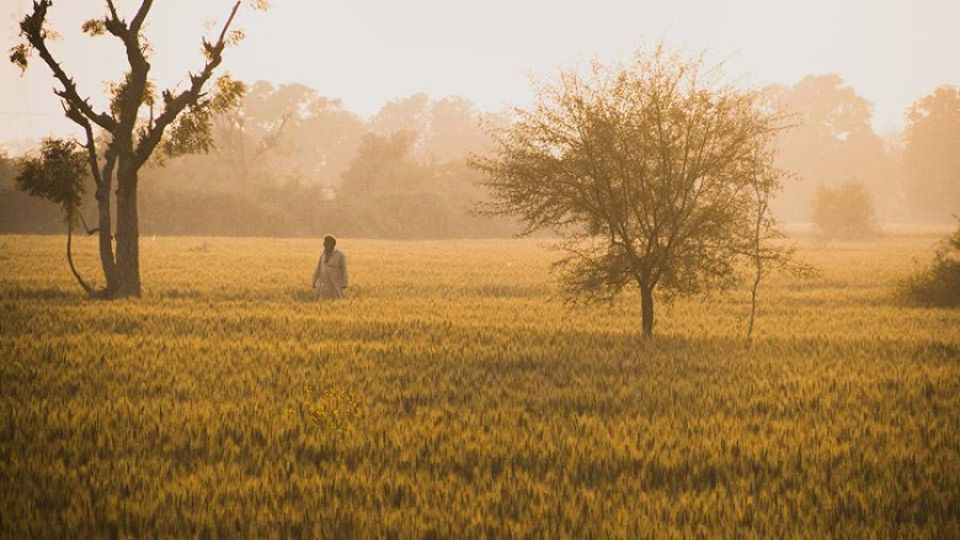
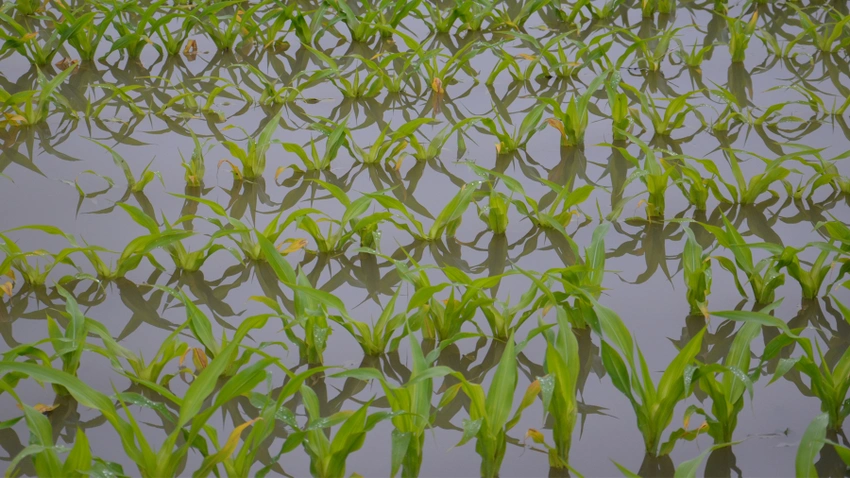
The authorities in Mvolo County in Western Equatoria State over the weekend said the area has received less than normal rainfall which has caused insufficient food production.

Speaking to Radio Tamazuj, John Abdallah, the County Executive Director who is momentarily acting as the commissioner, said the rains were delayed and were poor when they started and that the area is likely to be food insecure this season. He said the local population will now depend on livestock for survival.

The official also revealed that the roads in the county are in a sorry state, resulting in poor connectivity between the payams and poor delivery of services like health, education, and safe drinking water.

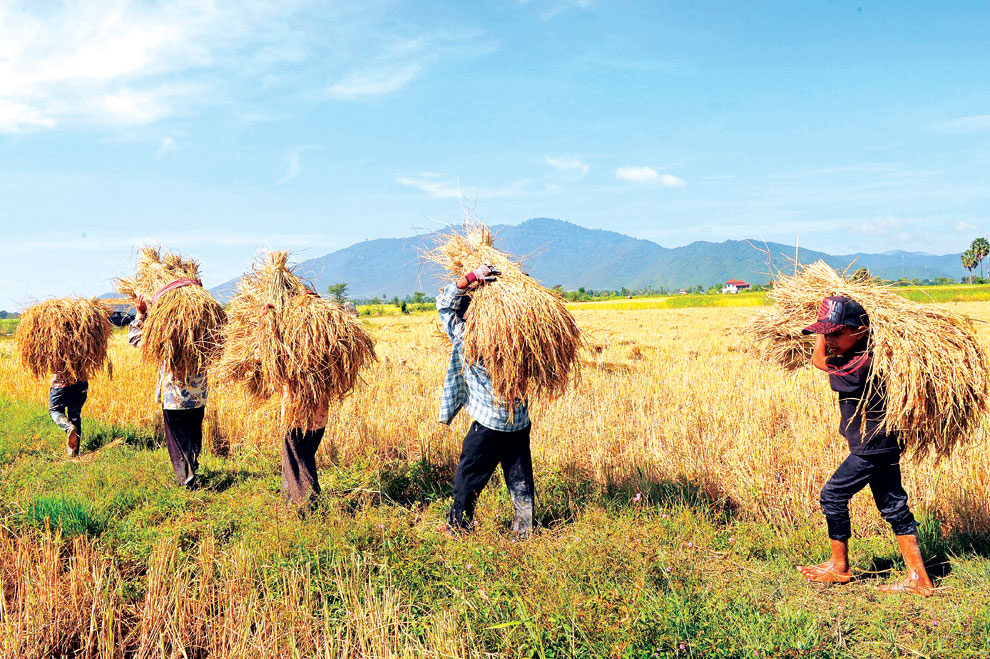
“The communities at the grassroots have one season of cultivation in a year yet the rains started in late May and now people are still planting while other counties are harvesting groundnuts and maize. Secondly, in all the payams within Mvolo County, roads are not so good and you cannot move between payams using a vehicle,” Adballah lamented. “Thirdly, most of payams have problems in terms of access to services from organizations due to lack of a good road network. Hopefully, with time, we shall solve these issues and our people get the services they need.”

When asked about security, the official disclosed that cattle raids between Mvolo County and Mapuridit in Lake State have ceased and security has greatly improved since the two communities have dialogue to address the issue. He said the citizens of Mvolo are peaceful people.

“This problem of cattle raids has significantly reduced because I arrived here on 21 October 2021 but I have never heard of shooting or about killings since Lake State Governor Riny Tueny came to power,” he explained. “This is because Governor Tueny and the former commissioner of Mvolo initiated a dialogue between the two states and it was successful.”

Source - https://www.radiotamazuj.org

10.05.2026

Philippines - Mayon ashfall inflicts P13-M crop losses

Preliminary assessments by the DA Regional Field Office V showed that 102 hectares of farmland within the six-kilometer danger zone were damaged, resulting in production losses of 364 metric tons. The losses have affected 228 farmers in Albay province.

10.05.2026

Guam - $2M needed to help 500+ farms impacted by Super Typhoon Sinlaku

The Guam Department of Agriculture has completed their post-Typhoon Sinlaku damage assessments for their Crop Loss Compensation Program. Officials now say about $2 million are needed to assist some 500 farms across the island that were impacted by the storm. 

10.05.2026

USA - Wetland mitigation credit program created specifically for farmers

For years, farmers have worked around wetlands on their properties, balancing production and compliance around these natural wetlands — even as they present management challenges.

10.05.2026

India - Farmers in Jangpetkong to get free livestock insurance for one year

Advisor for Transport and Technical Education Temjenmenba launched a one-year, 100 per cent free Livestock Insurance Scheme exclusively for the 29 Jangpetkong Assembly Constituency at Khar village in the Mokokchung district on Saturday.

10.05.2026

USA - Researchers launch farmer decision tool to help navigate risk management choices

Farmers grappling with difficult risk management choices now have a powerful new online tool that’s born from years of data collection and months of refinement.

10.05.2026

UK - Vineyard 'devastated' as frost destroys half of crop

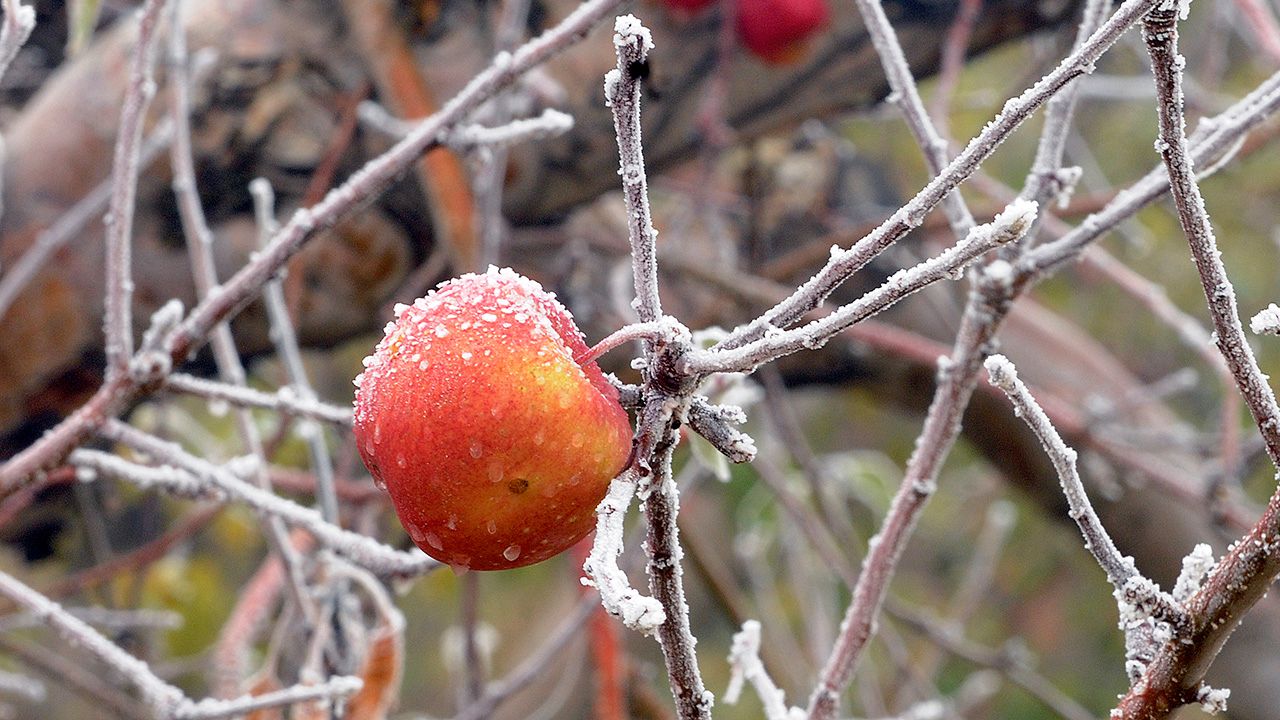
A vineyard has said the loss of half its crop in April due to frost was "devastating".

07.05.2026

Moldovan May frosts caused heavy damage to fruit orchards

The first frosty nights of May have significantly worsened estimates of damage to Moldova's fruit sector from spring frosts. 

07.05.2026

India - Over 3,000 nilgai killed to curb crop damage

A total of 3,092 ghodparas (blue bull), commonly known as nilgai, have been killed in state in the financial year 2025-26 as the department of environment, forest and climate change intensified action to protect crops from animal attacks.