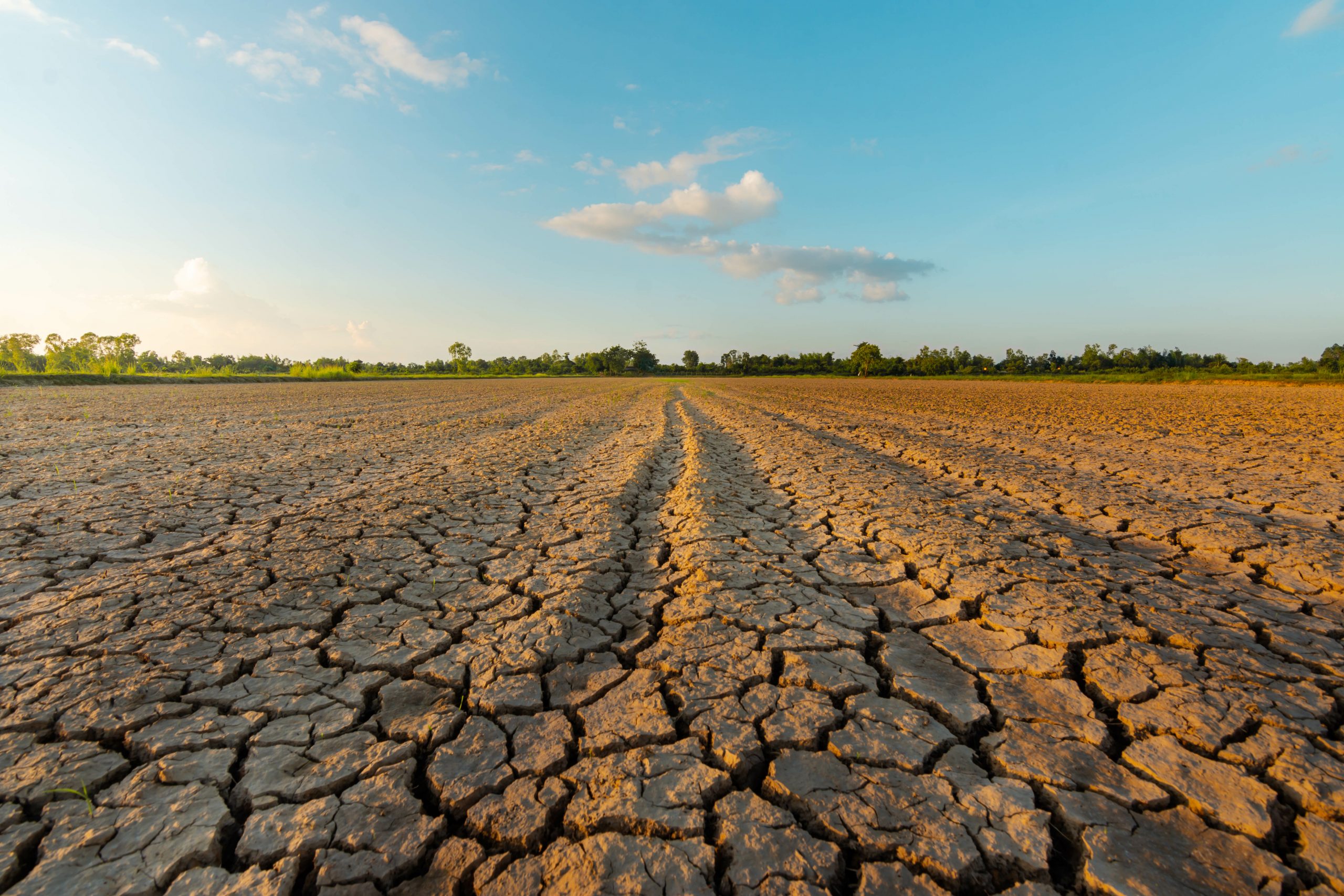
Just a few days ago, the Commission for the Guadalquivir Hydrographic Demarcation agreed to start the irrigation campaign with a discharge of 385 hm³ for the irrigation of crops under the General Regulation System, which, as detailed by the body itself, covers more than 345,000 hectares. This amount represents a decrease of 36% compared to the volume discharged in the previous campaign, when it was already reduced by 35.1% compared to that approved in 2021.
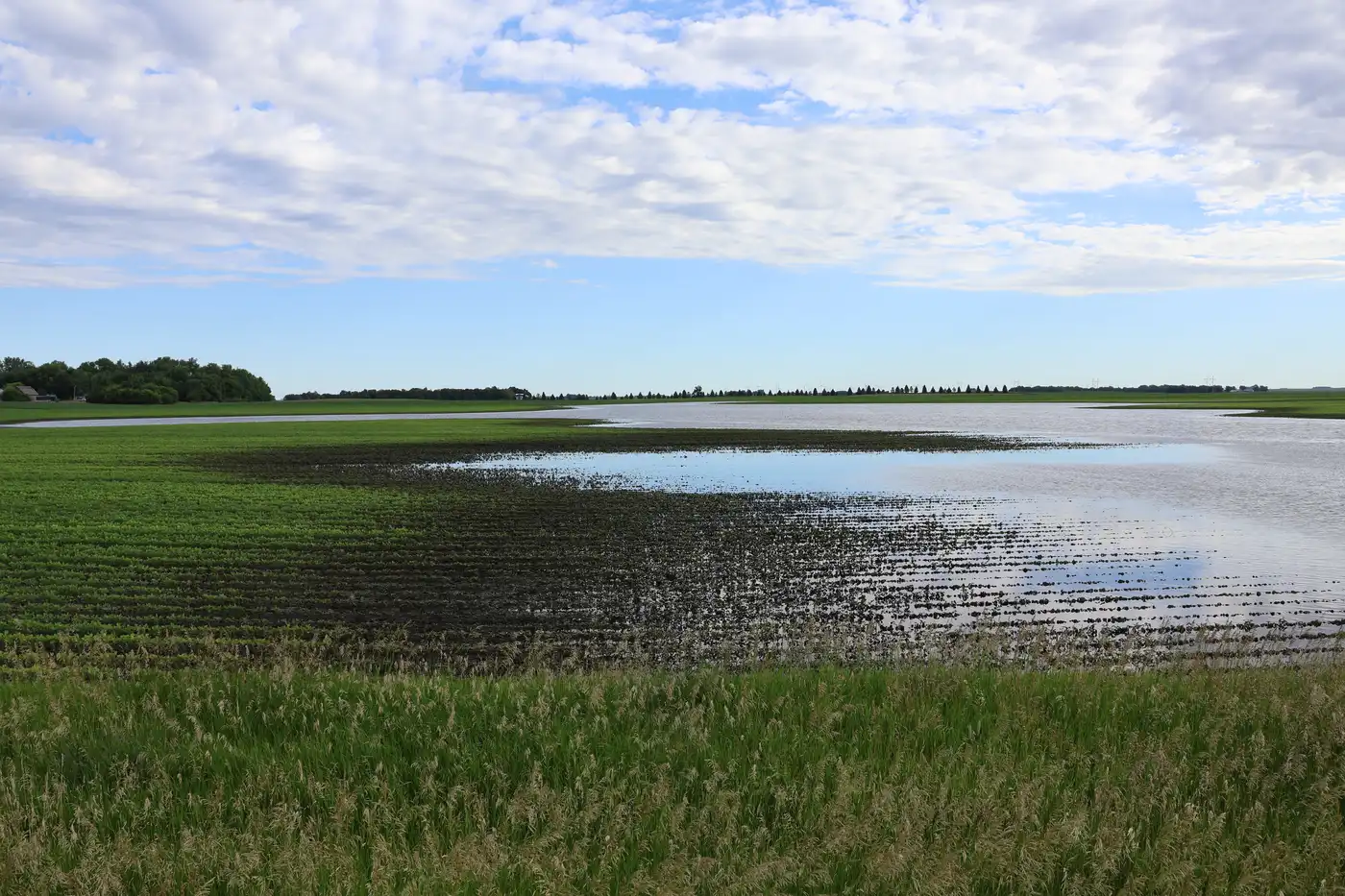
The fact is that the basin's situation, at a critical 25.2% of its capacity, has led the Commission to drastically reduce irrigation allocations, to the point that the volume for crops with higher irrigation needs has been reduced by almost 90% compared to the concessional allocation, which will go from 6,000 to 700 m³ per hectare.
"The drought that we have been suffering during the last few years is having a very painful impact on the agricultural sector in Andalusia and more specifically in the Lower Guadalquivir area. There are economic consequences, but also stress for producers, given the uncertainty this is causing when planning crops," says Alberto Jurado, general manager of the Seville-based Cooperativa Las Marismas de Lebrija.
"We have been talking for years about the tragic consequences of the lack of water; so much so, that this will be the second year that our tomato concentrate factory, which generates hundreds of jobs each year, will not be operational. This entails significant economic losses for the Cooperativa Las Marismas de Lebrija; a loss of jobs affecting the whole region of Bajo Guadalquivir, where many of our suppliers are located. In fact, our staff's jobs have been in temporary suspension since December 15, 2022," says Alberto.
"The allocation for general irrigation has been cut to 700 m³ per hectare; an amount that makes it unfeasible to work with crops such as cotton. It is impossible not just to harvest them, but even to plant them."
"We have been looking for alternative crops with lower irrigation requirements. We are also trying to allow the growers with the capacity to produce some tomatoes to do so, that we can maintain some strategic customers, but the volumes we estimate to be able to absorb won't represent even 3% of those of a normal campaign; and many growers have devoted the little water there is available for cotton to be able to receive aid. Still, none of this is enough at the moment because of the impact of drought, which is an uncontrollable factor."
"At Las Marismas de Lebrija we are looking for solutions, but the irrigation community of the lower Guadalquivir has already optimized the efficiency of irrigation as much as possible; therefore, we need help from the administrations," stressed Alberto Jurado. "We agree with the measures being taken to protect agricultural activity, as in the case of Doñana. But given the lack of water, we cannot go on any longer without protection. We are a cooperative made up of more than 500 members and 200 employees going through a very rough time."
"There has been no rainfall in recent months, nor do we expect it soon, and both the quantities and quality of crops will be reduced, which leaves both producers and the industry in general without guarantees. Therefore, we hope that the Andalusian and national governments will give us a hand, since the livelihood of our region is at stake."
"It is urgent that the governments introduce measures to provide immediate aid to producers who have lost their crops, and who will not be able to plant and, therefore, won't have an income to support their families or to make repayments for previously contracted investments, machinery or land."
"After two years without producing tomato concentrate and with lackluster cotton campaigns, we are calling on the Andalusian Government and the Ministries that manage agriculture and oversee the management of hydrographic confederations, including the Ministry of Environment, to come visit us, meet us in person and understand that the economic and job losses are huge, and that there's the threat of not being able to turn back."
"It has taken us not years, but decades to build up a world-class strategic customer base that is allowing exports to account for between 50 and 75% of our turnover, and after two years like this, this entire legacy is in jeopardy," says Alberto. "We have already lost our productive condition, and we have also lost purchasing power. Thousands of families have been suffering in recent years due to the situation, caused by external factors. Now is the time for the Administration to act with a plan of medium-term measures, but also with immediate steps to aid both growers and the industry. The sector hadn't been in such a situation since 1995 and extraordinary situations require extraordinary measures to overcome them."
Source - https://www.freshplaza.com