Spain - Alert in Castellon after the "Pseudococcus longispinus" was detected in citrus orchards

28.04.2022 701 views

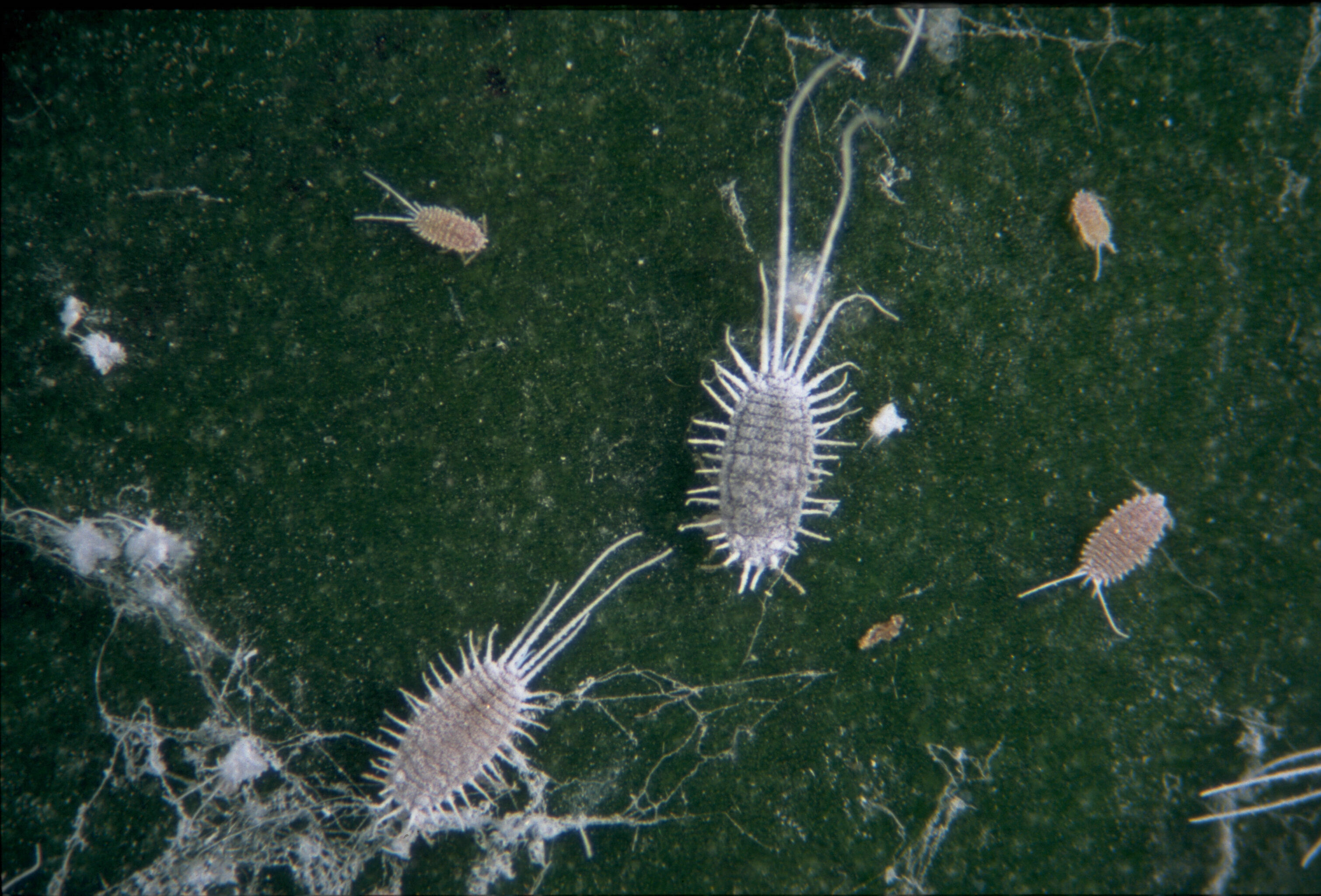
Pseudococcus longispinus, known as long-tailed cochineal, is not an unknown species in the Valencian Community. In fact, the Institut Valencià d'Investigacions Agràries (IVIA) has warned in a recent study that this cotonet is the main species of Pseudococcidae that affects the cultivation of kaki; which is why the Ministry of Agriculture has included it in the aid it has recently launched to counteract the effects of the South African cotonet in the autonomous field, in this case, to help kaki producers.

Thus, there's concern about its detection in a citrus orchard located in the municipality of Nules. So far it had not been detected in the province of Castellon, or it had been confused with another cotonet.

The fear is that, even though the Pseudococcus longispinus does not deform the fruit as the insect arriving from South Africa does, it may cause black spots on the fruits at the time of harvest, which would render the fruit unsellable. Hence, the four local associations (Vila-real, Nules, la Ribera, and Camp de Túria) have reiterated the need to obtain exceptional authorization from the Ministry of Agriculture to use methyl chlorpyrifos to treat trees, now that they are in full bloom. Especially after the Ministry, in its own aid order, has recognized that the biological fight has not yet been effective to prevent the dispersion and affectation of the South African cotonet.

Independent citrus farmers fear a rapid expansion of the cotonet that was detected, as it does not need sexual reproduction for its breeding, and a single parent can produce new individuals.

A time bomb
Thus, after checking its development in kaki, the entities expect significant damage to the citrus crops. "This can be a time bomb for the pockets of citrus farmers," the association from Nules stated.

Source - https://www.freshplaza.com

22.06.2026

USA - Frost and temperature swings threaten Maine wild blueberry crop

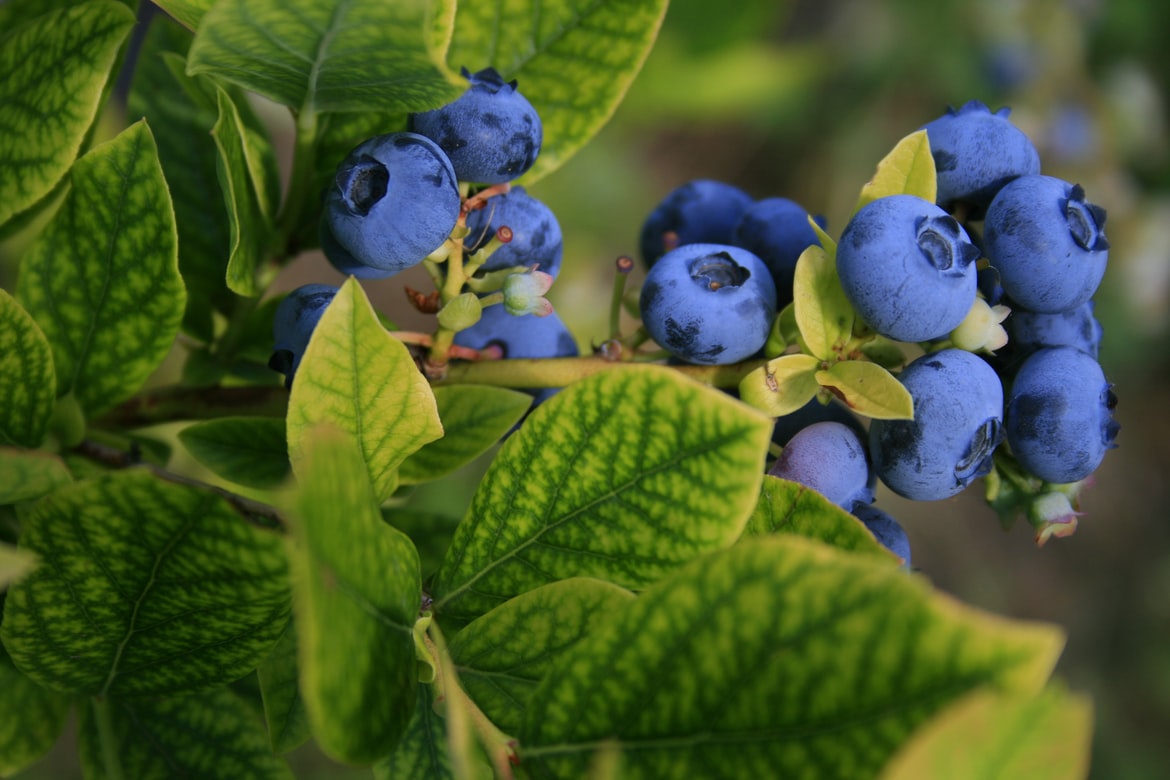
Wild blueberry growers in Maine are assessing the impact of late spring frosts following sharp temperature fluctuations that affected production areas across the state.

22.06.2026

Cyprus to receive €4.6 million in EU aid for drought-hit farmers

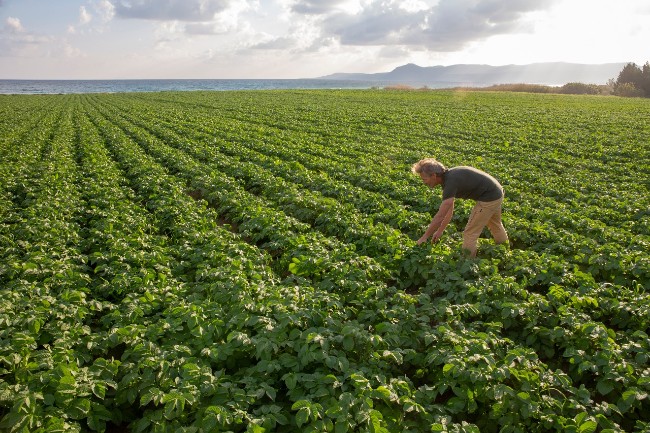
European Commission releases agricultural reserve funding to help producers recover from weather-related losses.

22.06.2026

USA - Delaware expands deer damage assistance program as farmers face growing crop losses

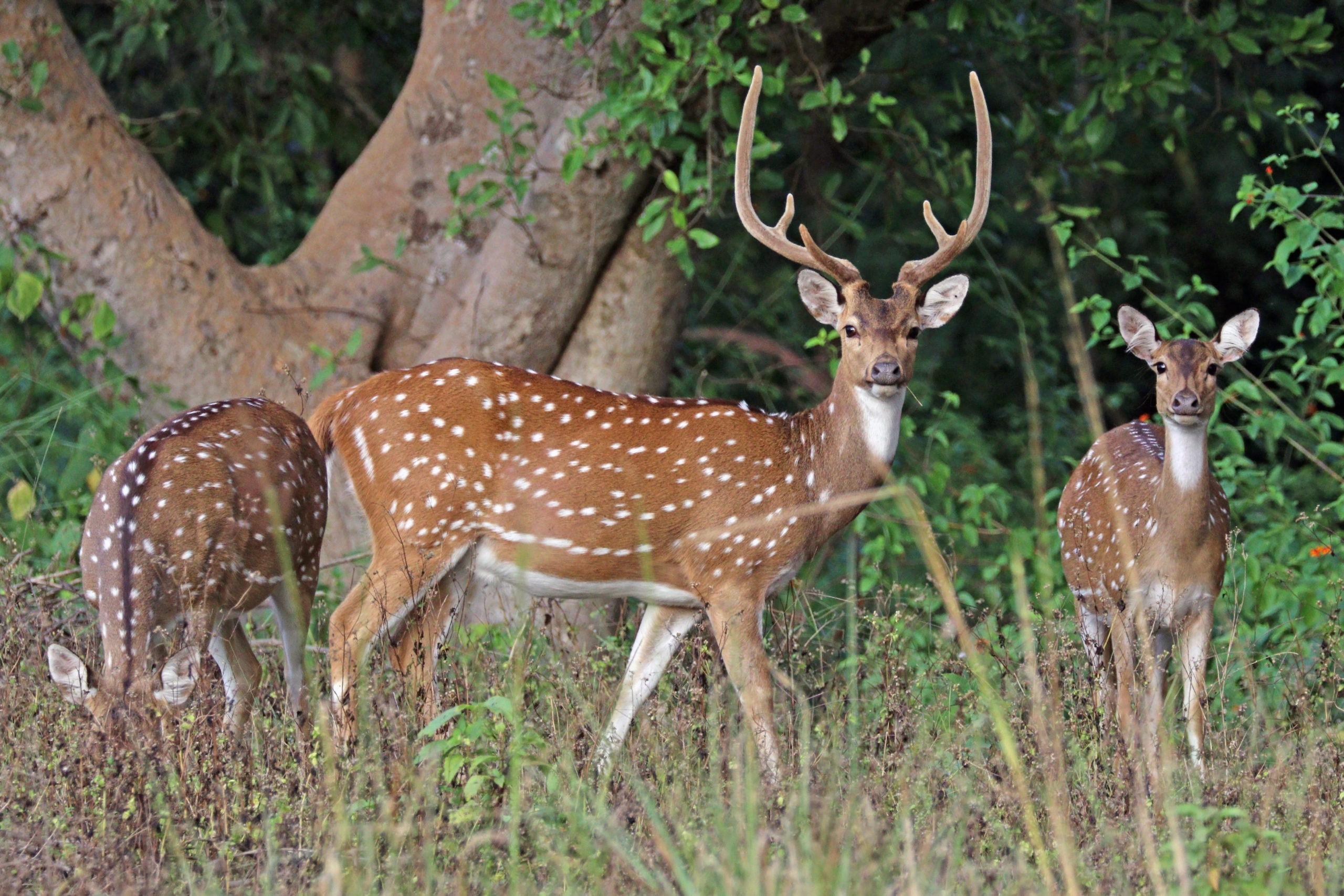
Delaware farmers say deer are taking an increasing bite out of their bottom line this growing season, prompting state officials to expand assistance programs aimed at reducing crop damage.

22.06.2026

Brazil - Interest rate cut proposed to boost crop insurance

Agriculture Ministry wants to discuss with the government’s economic team a proposal to lower interest rates on operating loans for farmers who purchase insurance policies.

22.06.2026

Sri Lanka - Monkey census data pending, crop losses continue

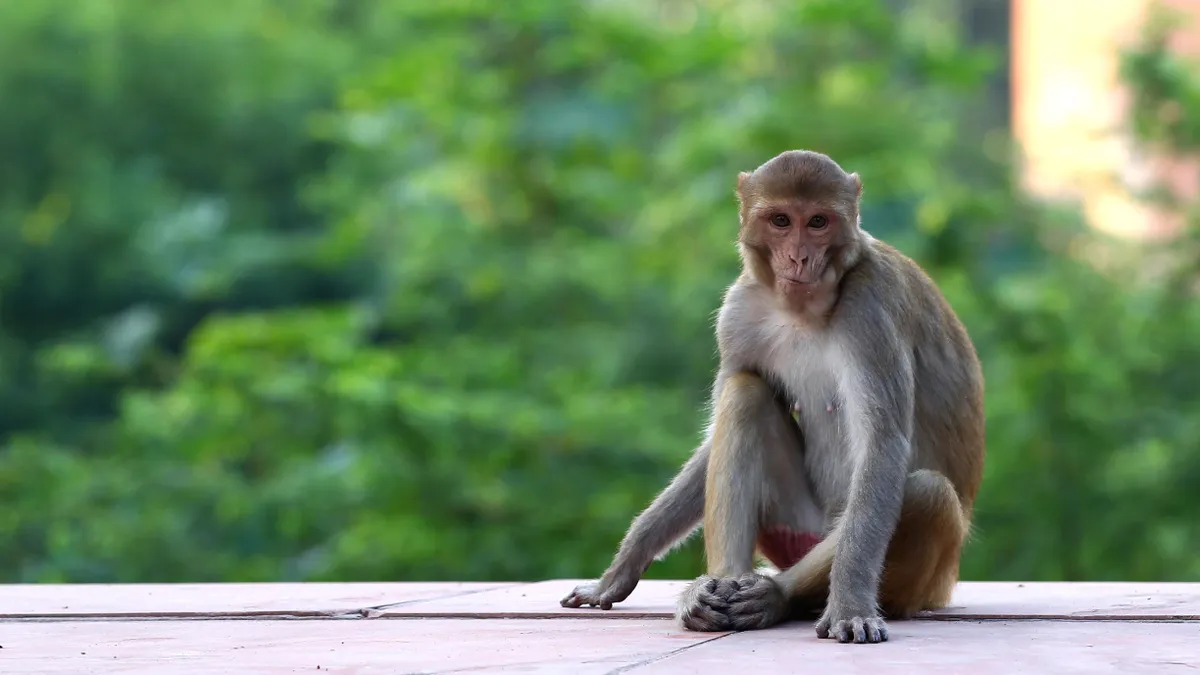
Plantation Industries Ministry Secretary Gunadasa Amarasinghe says the ministry has not yet received the findings of the monkey census conducted recently at a cost of approximately Rs. 3.9 million.

22.06.2026

Indonesia - Jasindo Syariah’s At Yaltha: RI’s agri‑insurance potential is big

Sharia agricultural insurance is considered to have a strategic role not only in protecting farmers from the risk of crop failure, but also in strengthening food security and the national Islamic financial ecosystem.

21.06.2026

Italy - 60% less damage after luring tuta absoluta, and sucking them away

A field trial conducted by the Italian "Giorgio Nicoli" Agriculture and Environment Centre demonstrated that MO-EL Turbitrap 3700 light traps can significantly reduce damage from the tomato leafminer (Tuta absoluta) in greenhouse tomato production.