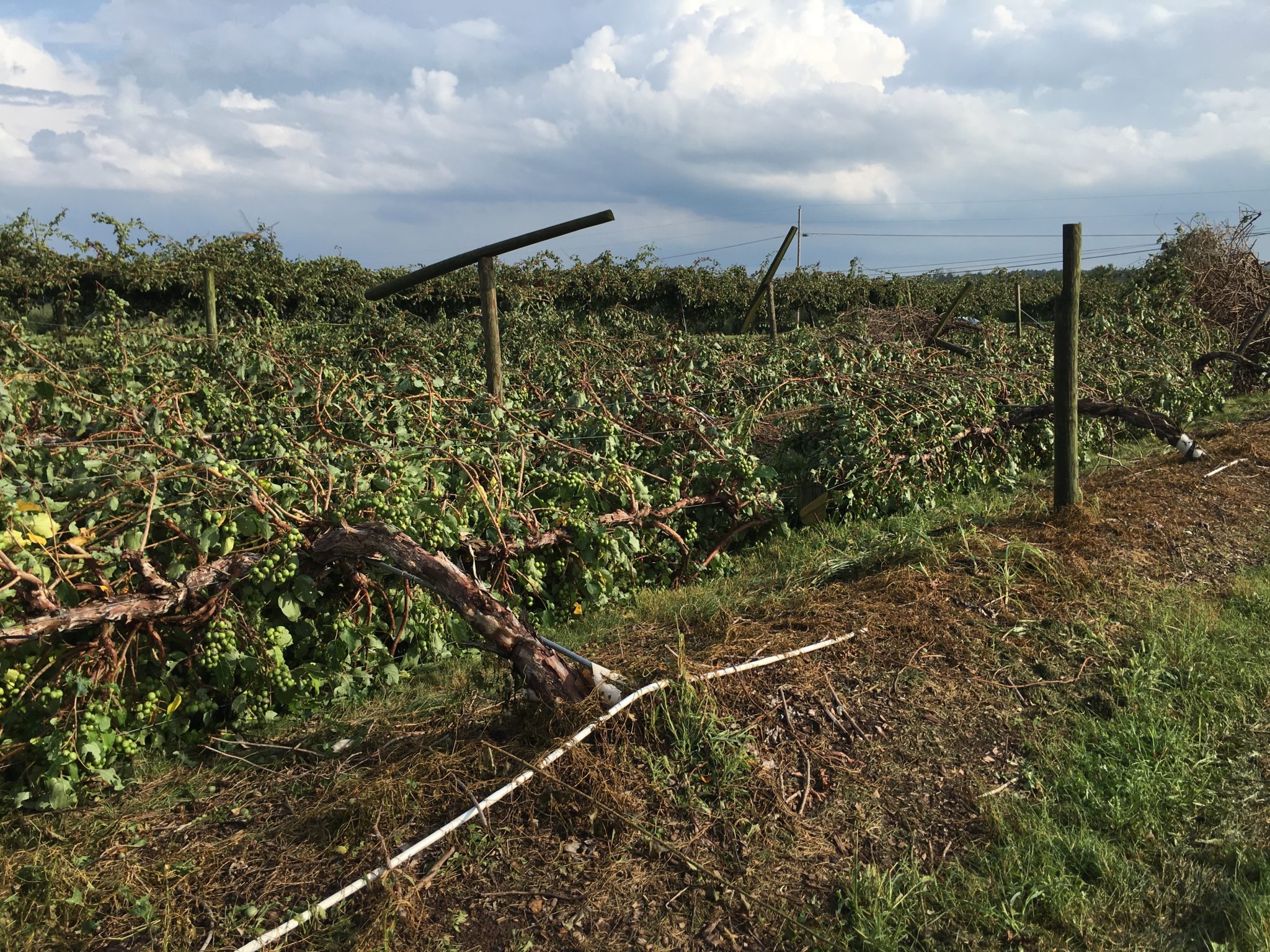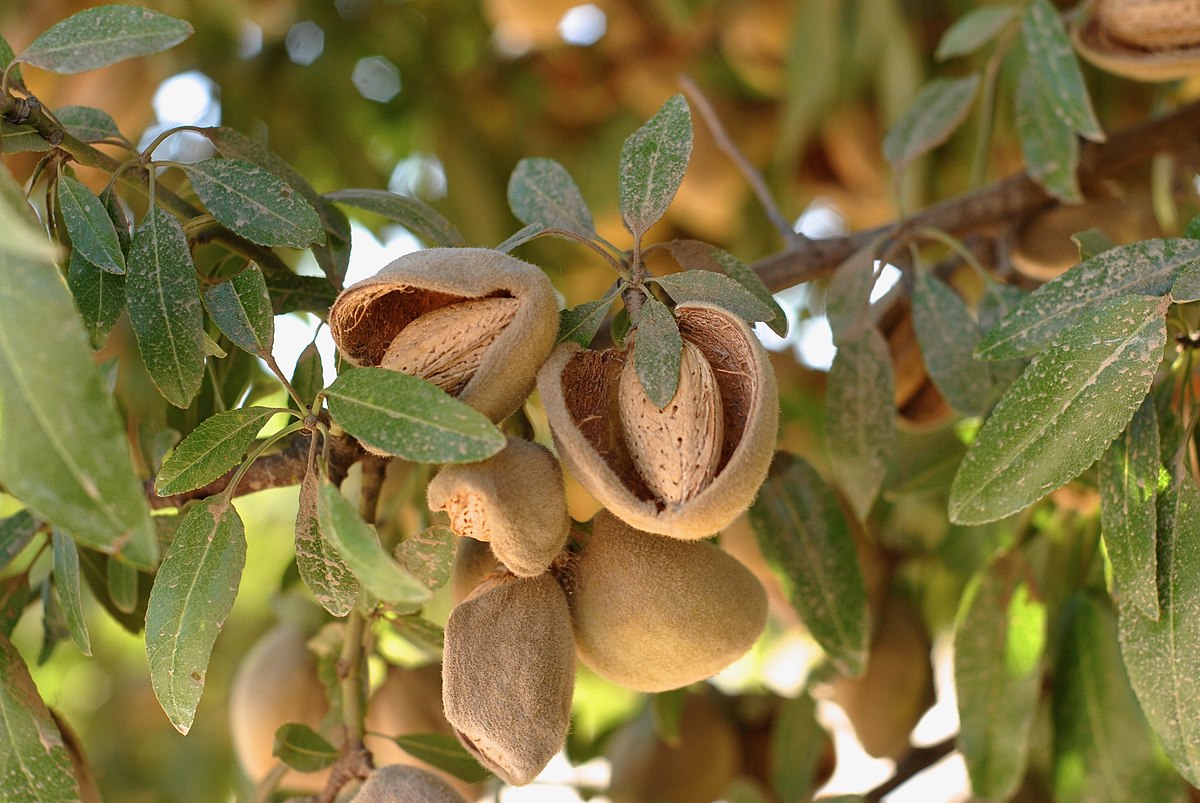
For centuries, almond trees have been well-adapted to the dry conditions in the Spanish province of Alicante, but just a few days before the harvest, the Valencia region is where this crop is suffering the most, with an average production loss of 36.28% over the last four years. In the latest estimates, Asaja Alicante and other organizations have determined that the production in the Region of Valencia will fall from 6,702 tons in the 2023/2024 campaign to just 4,490 tons in the 2024/2025 season; a 33.01% drop.
Asaja says that, in the province of Alicante, the main reason for this sharp drop is the lack of rainfall and the heat recorded during much of the year. "This winter, the trees have not really shed their leaves because there has hardly been any cold," says Ramón Sola, an almond producer from Ibi, who explains that there was flowering, but since there was no rainfall, the trees weakened and got rid of the blossom to be able to support themselves. In fact, this season, he expects to obtain no production at all from his 40 hectare farm, which can potentially yield an average annual production of 40,000 to 50,000 kilos.
The agricultural association says that irrigated almond trees have also suffered a major setback because the heat has not allowed the fruit to grow to optimum commercial sizes and so productivity has fallen to a minimum.
Then there is also the problem of the spread of Xylella fastidiosa, unstoppable in its advance towards the south. Eradication strategies have already caused the destruction of the crop in the affected areas. There is also increasing damage caused by almond seed wasps, which have been detected in Medio and Alto Vinalopó, and there are no phytosanitary products authorized to control it in organic crops.
Proposals to revitalize the crop:
- Asaja Alicante is taking advantage of the change of Government in the Regional Council of Agriculture to ask for the eradication plan to be replaced by a Xylella fastidiosa containment plan and for a replanting plan to be promoted.
- Authorizing the use of effective and cheap phytosanitary products against the latest almond tree pests, such as the almond seed wasp.
- Authorizing social irrigation with reclaimed urban water to support rainfed crops threatened by climate change.
- Urging the PGI Turrón de Alicante to use Alicante almonds as the basis for its production in order to facilitate the recovery and revitalization of almond tree cultivation.
Lastly, the President of Asaja Alicante, José Vicente Andreu, said that almond prices are on the rise on the international market and already exceed 4 euros/kg. "However, thousands of producers in Alicante won't benefit from this rise, because, unfortunately, this year we've had a poor harvest due to the severe problems we are experiencing, and which have driven us to ask the Administration for urgent help."
Source - https://www.freshplaza.com