Climate change and extreme weather events have been a matter of concern for many countries across the world. Spain, known for its warm Mediterranean climate, has been experiencing a persistent heatwave lately, while the United Kingdom is witnessing an uncharacteristic summer chill.
As climate change continues to have far-reaching effects on various industries, the fresh produce sector is not immune to its impacts. Among the countries renowned for their agricultural prowess, Spain stands out as a major player in the production and export of watermelon and melons.
However, the increasing volatility in weather patterns has taken its toll on these beloved fruits’ cultivation and quality in recent years. As professionals and stakeholders in the fresh produce industry, it is essential to comprehend the challenges posed by climate change and its consequences for watermelon and melon production in Spain.
This article aims to provide valuable insights into the specific ways in which weather changes are affecting the watermelon and melon industry in Spain. By understanding the intricacies of these challenges, fresh produce professionals can make informed decisions, adopt suitable mitigation strategies, and identify opportunities for growth and sustainability in this ever-evolving landscape.
Climate Change and Weather Conditions
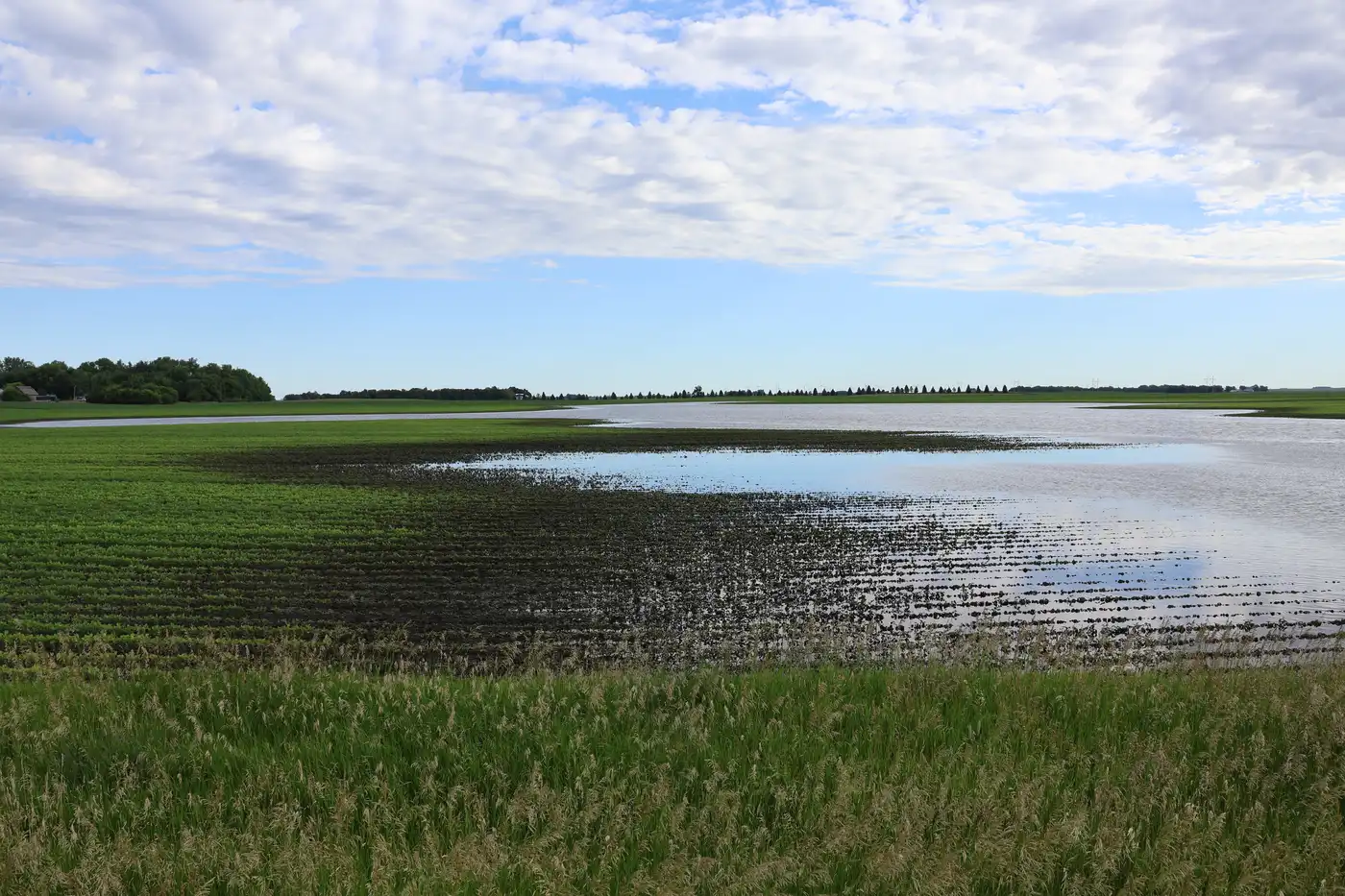
Spain has traditionally had a favourable climate for melon and watermelon cultivation. However, in the last decade, the country has experienced significant weather changes that have adversely affected the production of the fruits. Climate change has led to periods of drought during critical stages of development, and sudden rainfall has led to uneven ripening and unhealthy fruits.
High temperatures have led to poor fertility, resulting in poor yields and smaller fruits. The cold spells during the winter have led to frost damage, which reduces crop productivity.
Quality of Watermelons and Melons
Food quality and safety are key aspects for consumers worldwide. The altered weather patterns have led to reduced fruit quality, resulting in lower prices and a market of reduced size. The irregular ripening caused by increased temperatures leads to fruits of varied quality and flavour.
The products from watermelons and melons that do not mature well have lower sugar content and less nutritional value. The presence of frost damage, physiological disorders, and diseases due to changes in the weather conditions, such as anthracnose and sun scalding, has caused fruits to be of low quality. These factors cause a reduction in shelf life and a decrease in the nutritional and commercial value of the crops.
Increased Demand and Prices
Despite the challenges faced by the watermelon and melon industry, the demand for these fruits has increased significantly owing to the growing population and changing consumers’ preferences.
The increased demand, combined with reduced supply as a result of weather changes, has led to a shortage of the fruits and a rise in their prices. The gaps in the market have been exploited by suppliers looking to increase their profits, leaving consumers paying a much higher price for the same product. The high prices have been attributed to the reduced acreage of land cultivated by farmers, who are shifting to more reliable crops with better yields.
MITIGATING CLIMATE CHANGE: BUILDING A RESILIENT FRESH PRODUCE INDUSTRY
As the fresh produce industry in Spain faces the challenges posed by climate change, it becomes imperative for government authorities and industry players to take proactive steps towards building resilience and sustainability. By implementing a range of measures, the watermelon and melon sector can effectively mitigate the impacts of climate change, improve the quality of its produce, and foster increased productivity and profitability.
Sustainable Water Management and Irrigation Techniques
Encouraging the adoption of sustainable water management practices and efficient irrigation techniques will play a critical role in conserving water resources. The implementation of drip irrigation systems, rainwater harvesting, and water recycling initiatives will not only ensure optimal water utilization but also reduce the industry’s overall water footprint.
Climate-Smart Farming Practices
Promoting climate-smart farming practices, such as agroforestry, cover cropping, and crop rotation, will bolster the industry’s resilience to extreme weather conditions. These practices can improve soil health, enhance water retention, and reduce the carbon footprint of agricultural activities.
Precision Agriculture and Advanced Technologies
Embracing precision agriculture technologies, including drones, sensors, and satellite imagery, will enable farmers to monitor crop health, optimize resource use, and make data-driven decisions. These technologies empower farmers to respond swiftly to changing weather patterns and optimize crop management practices.
Weather Monitoring and Forecasting Systems
Investing in weather monitoring stations and providing real-time weather forecasts will equip farmers with crucial information to plan their farming activities strategically. Early warnings of extreme weather events will enable farmers to take preventive measures and safeguard their crops.
Integrated Pest Management (IPM)
Encouraging the adoption of integrated pest management practices will minimize the reliance on chemical pesticides and foster a healthier ecosystem. IPM techniques promote natural pest control methods, reducing the environmental impact and preserving beneficial insects.
Financial Incentives for Climate-Resilient Practices
Offering financial incentives and subsidies to farmers who adopt climate-resilient practices will stimulate the widespread adoption of sustainable agriculture techniques. These incentives will assist farmers in implementing climate adaptation strategies and investing in innovative solutions.
Capacity Building and Education
Facilitating training programs and educational workshops for farmers on climate-smart practices will enhance their understanding of climate change impacts and equip them with the necessary skills to adapt effectively. Knowledge-sharing platforms can help disseminate best practices across the industry.
By adopting these measures collectively, the fresh produce industry in Spain can fortify its resilience to climate change, maintain high-quality produce, and foster sustainable growth. The collaboration between government entities, research institutions, industry associations, and farmers will be pivotal in implementing these solutions and ensuring a prosperous and sustainable future for the watermelon and melon industry in Spain.
Conclusion
In conclusion, the changing weather patterns and climate change have had a profound impact on the watermelon and melon industry in Spain. However, by embracing proactive measures to mitigate climate change effects and improve agricultural practices, the industry can overcome challenges and build a resilient future. The combined efforts of government authorities, industry players, and farmers are crucial in safeguarding the fresh produce sector, securing food quality and safety, and sustaining growth in the face of climate change.
With a collective commitment towards innovation and sustainability, the watermelon and melon industry in Spain can thrive and continue to provide consumers worldwide with high-quality produce for years to come.
Source - https://frupro.com