Following a dry autumn, a dry winter and a spring with little rain, a summer of record heatwaves and drought engulfed Spain. Doñana National Park, one of Europe’s most important wetlands, is a critical wintering spot and stopover point for birds migrating between Africa and Europe. Unfortunately in late August, Doñana’s last permanent pond disappeared.
Pushed to its ecological limits, Doñana’s days as a wildlife paradise might be over. Without urgent measures, much of its biodiversity will vanish for good.
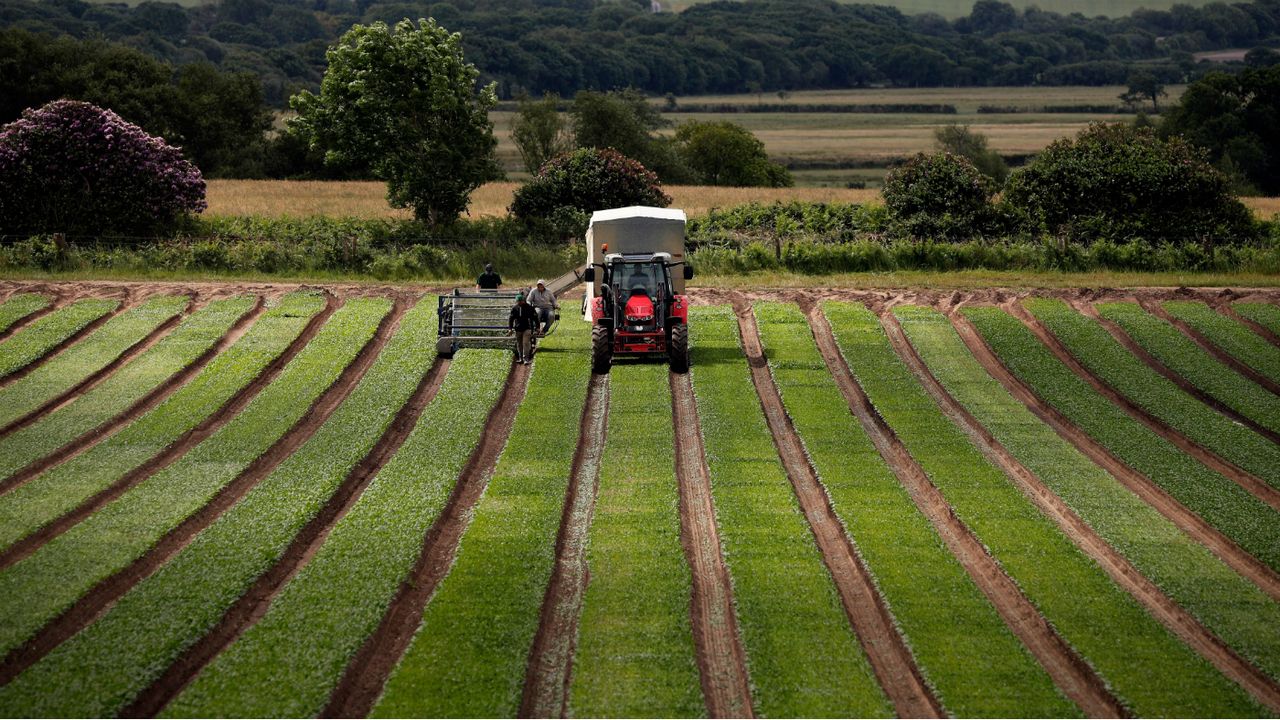
Historically, farmers in Huelva grew olives, grapes and wheat, rain-fed crops well-adapted to the dryland environment. However, in the 1980s, strawberry cultivation took off, with farmers cashing in on the higher profits earned from these exports. Support from EU Common Agricultural Policy subsidies provided another incentive to grow berries.
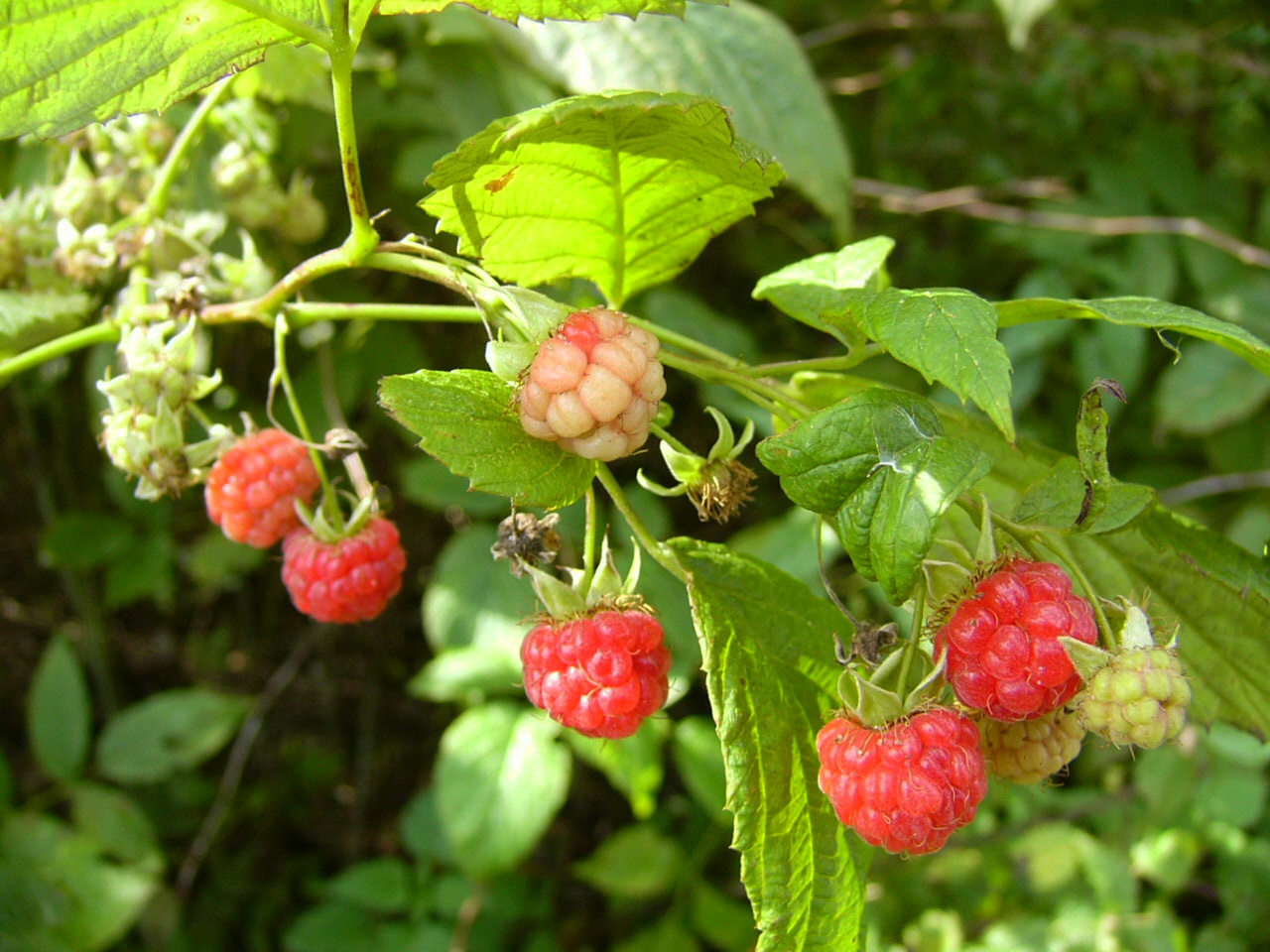
Millions of euros of agricultural subsidies along with the region’s mild climate, the conversion of thousands of hectares of land and ample groundwater transformed Huelva into a centre of intensive berry production. It made Spain the world’s largest exporter and the second-largest producer of strawberries and a leading exporter of blackberries, blueberries and raspberries, with 2021 exports estimated above 1.7 billion euros ($1.6bn).
The problem is that to irrigate the 11,000 hectares of berry polytunnels, producers withdraw groundwater from the same aquifer feeding Doñana National Park. In 2020, the aquifer was officially declared overexploited. Even worse, a substantial amount of groundwater being extracted to grow berries is via wells lacking legal authority and permissions.
Carmen Díaz Paniagua, a researcher at the Doñana Biological Station: “If extractions aren’t reduced, it’s impossible to preserve Doñana.”
Source - https://www.freshplaza.com