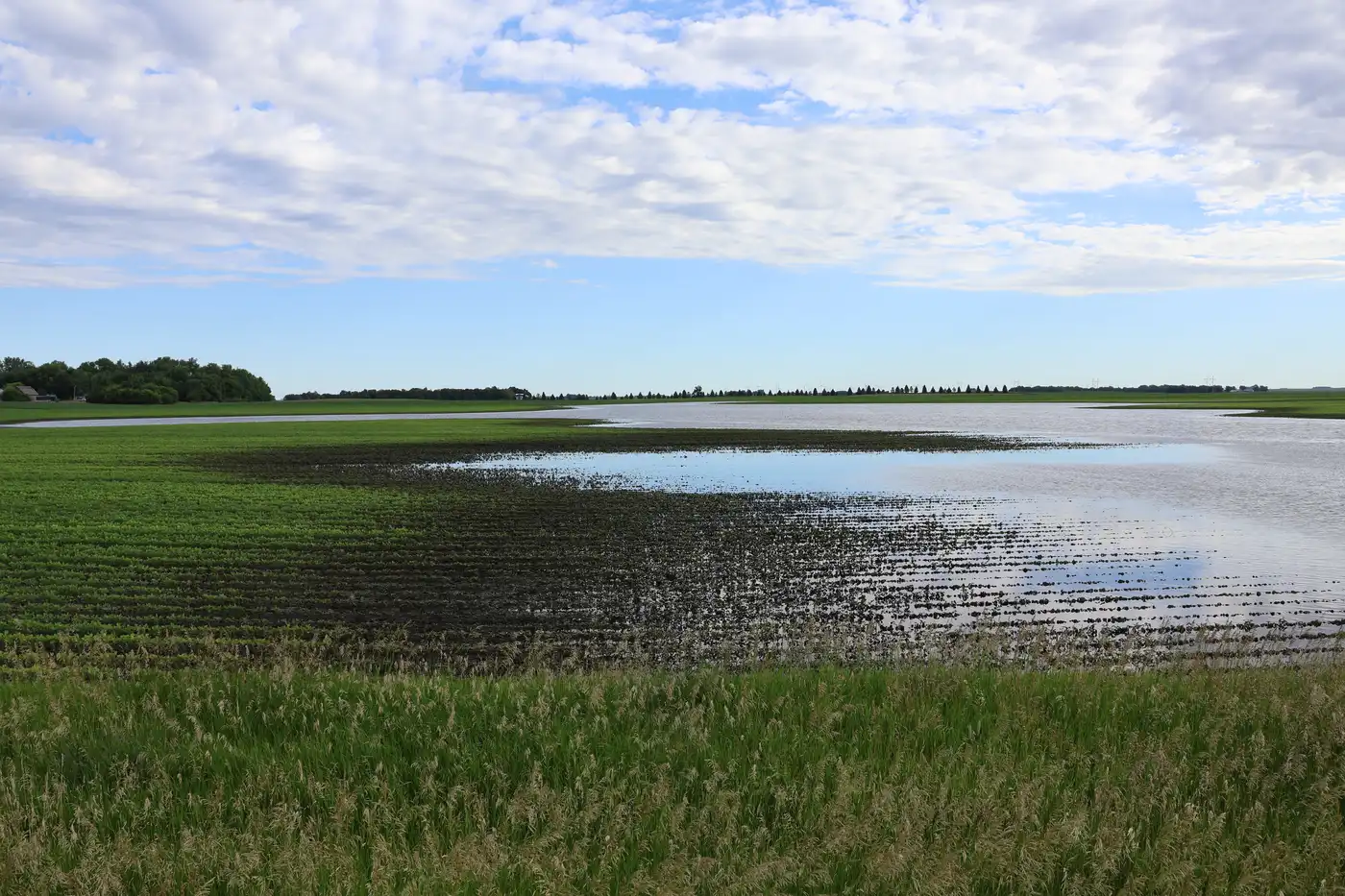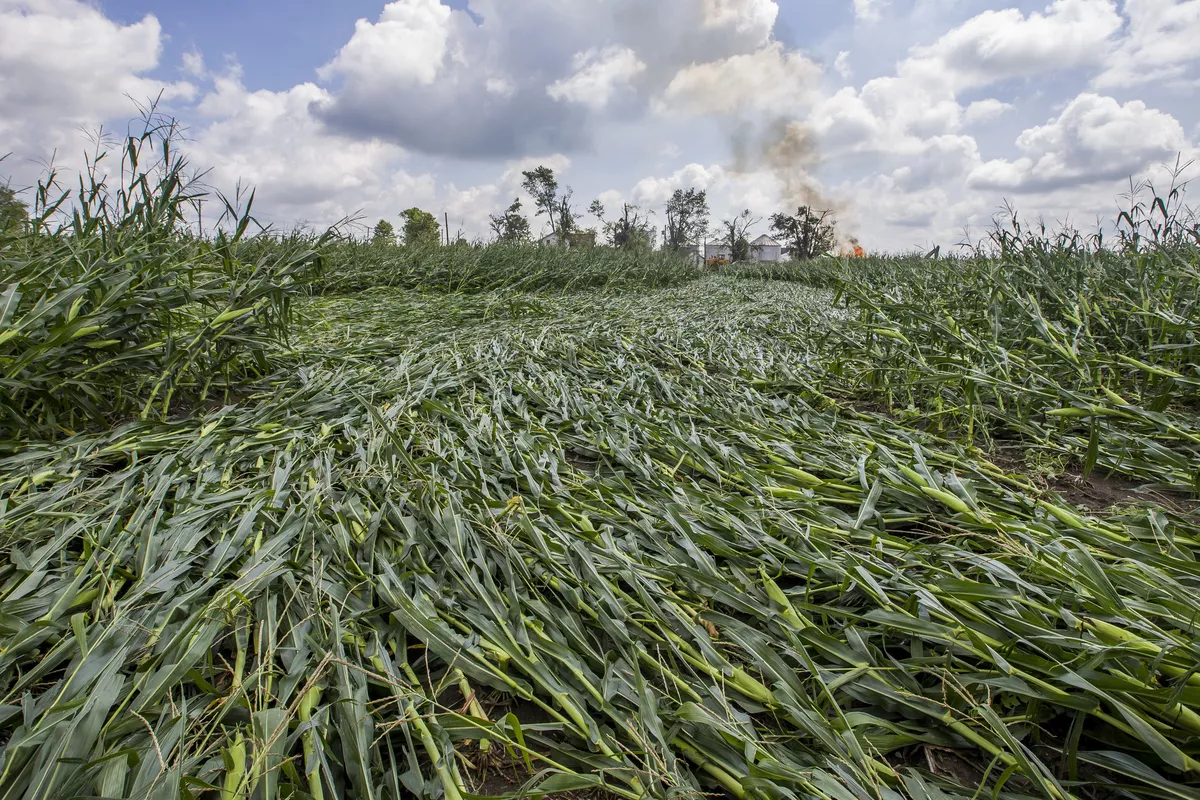
Farmers in the southeastern Spain city of Valencia are reeling after severe weather struck the region over the weekend, destroying nearly $43 million worth of crops across thousands of acres of land. In some cases, nearly 100% of some farmers' crops were impacted, according to the Association of Farmers of Valencia.
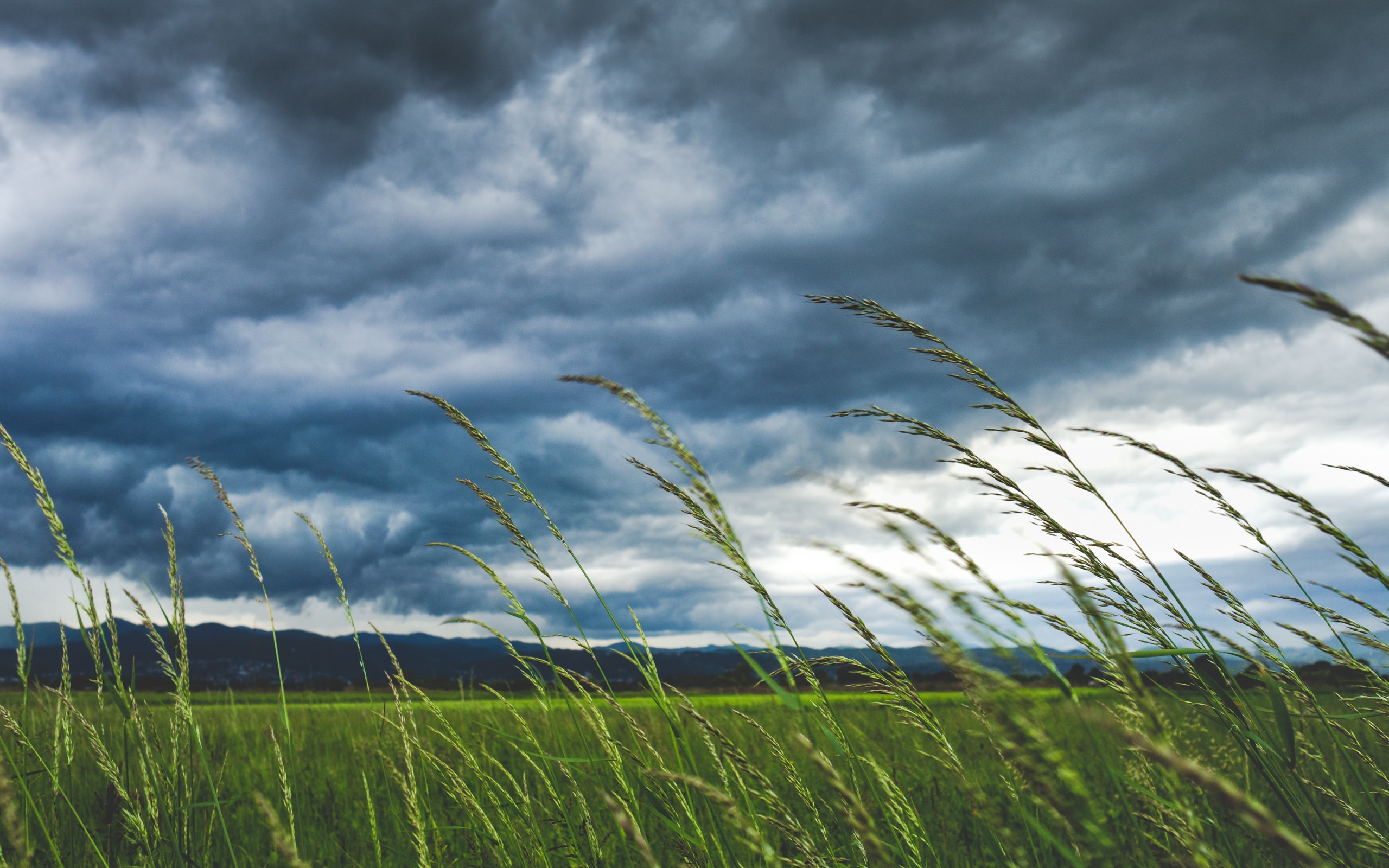
The significant agricultural loss came as several regions in Valencia and Castellón – both of which lie on the coast of the Balearic Sea – were struck by an intense hailstorm on Sunday.
"[The storm] caused devastating damage to crops," the association said, according to a translation, "some of which were on the verge of being harvested."
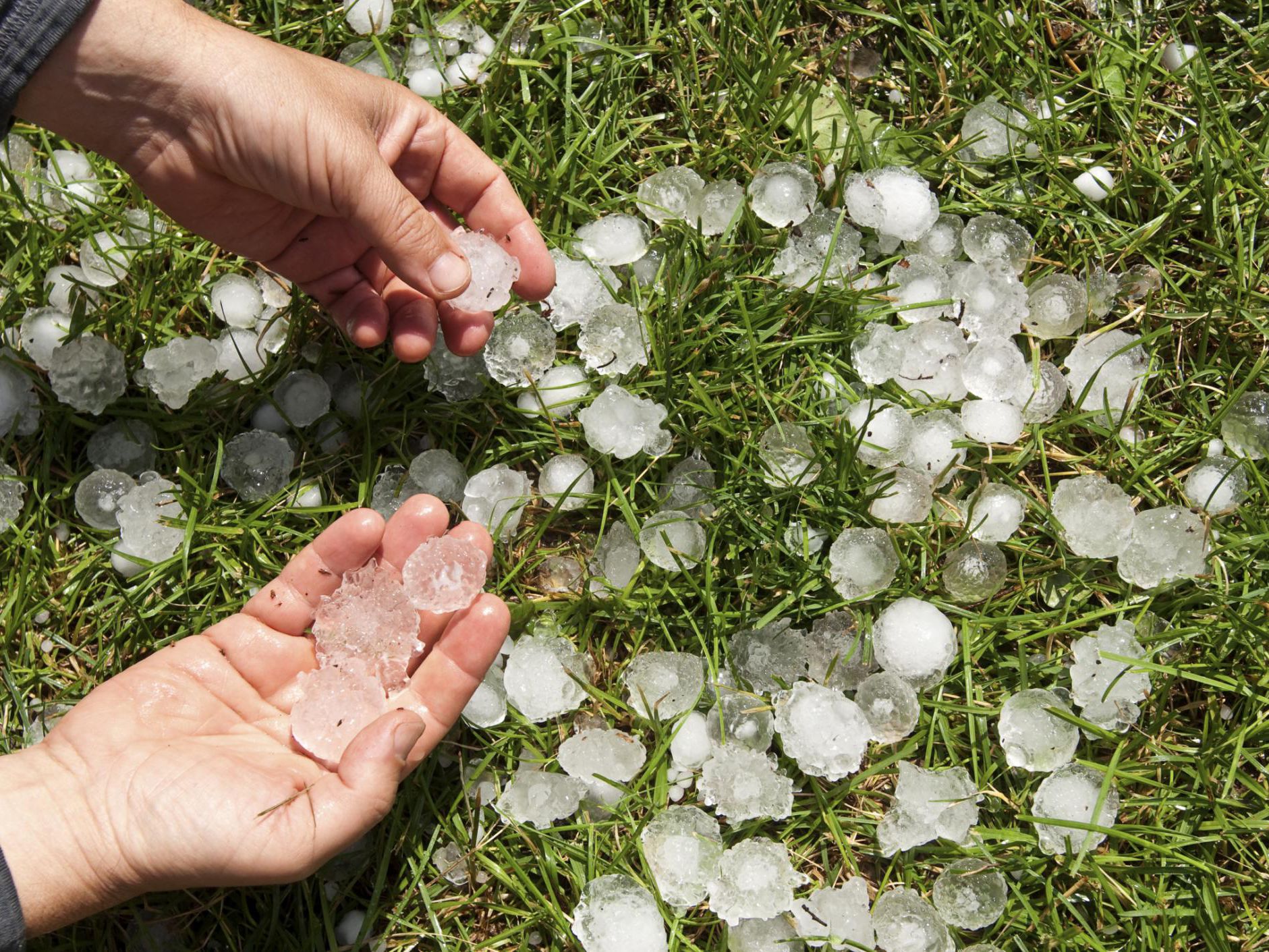
Spain's meteorological agency for the Valencia region warned on Sunday that the storm would move "quickly," but that it would bring "very heavy rainfall and large hail," according to a translation. "Strong gusts of wind" and more than 1,300 lightning strikes were also recorded. The hail was bigger than 1 Euro coin.
Initial estimates say that the weather resulted in roughly 40 million Euros worth of losses — an amount equal to $42.8 million in U.S. dollars — across more than 37,000 acres worth of land. Some farmers had nearly "100% of the harvest" impacted, the association said, with a range of produce being hit, including vineyards, citrus fruits, persimmons, avocados, almond trees, olive trees, rice and vegetables.
The hardest-hit area seems to be the Utiel-Requena region, which saw "a carpet of stones about four centimeters thick" across more than 19,700 acres, the association said. That area alone is believed to have more than $12.8 million in losses, with some wine growers losing "their entire grape production in the middle of harvest season," the association said.
Many of those same farmers are also grappling with "severe damage" to their vines that could create problems in the next season, the association said, adding that they believe that Utiel-Requena – the region's primary grape producer – will see a more than 60% decrease in the harvest compared to recent annual averages.
The intense storm that swept across the region is just the latest impact felt by climate change. As global temperatures continue to increase, they will help fuel more frequent and intense extreme weather events such as hailstorms, while also prolonging droughts and impacting vital water availability.
Last year, the Dutch Ministry of Agriculture, Nature and Food Quality issued a report saying that Spain loses 6% of its agricultural production every year because of extreme weather. Agrifood – which the report says is a driving force of the Spanish economy – is one of the most threatened areas by climate change.
"Climate change is one of the great challenges for agriculture and food, given that the consequences of rising temperatures could modify the fragile balance in which many crops are grown," the report says. "This risk is greater in the Mediterranean countries, one of the regions most affected by global warming, and specifically in Spain, where 75% of its surface area is already at risk of desertification."
Production quality is expected to see a "significant drop" if average global temperatures increase by 1.5 degree Celsius compared to pre-industrial times, the report warns – a milestone that the world will likely see in 2023. If global temperatures exceed that or 2 degrees Celsius of warming, the country is expected to also see increased water stress and five to 10 times more droughts, the report said, as rainfall would come less often and more intense spouts that make "water less usable for agriculture."
And there's only one sure way to attempt to limit this outcome.
"Although there are adaptation measures that could cushion some of the impact," the report says, "they have a limited capacity that could be exceeded if there is no reduction in greenhouse gas emissions."
Source - https://www.cbsnews.com