Axarquia's countryside, the largest avocado and mango producing area in Europe, is on a war footing after years of asking institutions for hydraulic infrastructure solutions. The main players in the sector - farmers, irrigators, producers, and marketers - are not willing to keep on waiting idly by.
The National Tropical Association, a group that represents a key sector in Malaga's economy and has almost half a thousand members, called for an emergency meeting that was held yesterday afternoon at the regional headquarters of the Association of Municipalities located in Velez-Malaga.
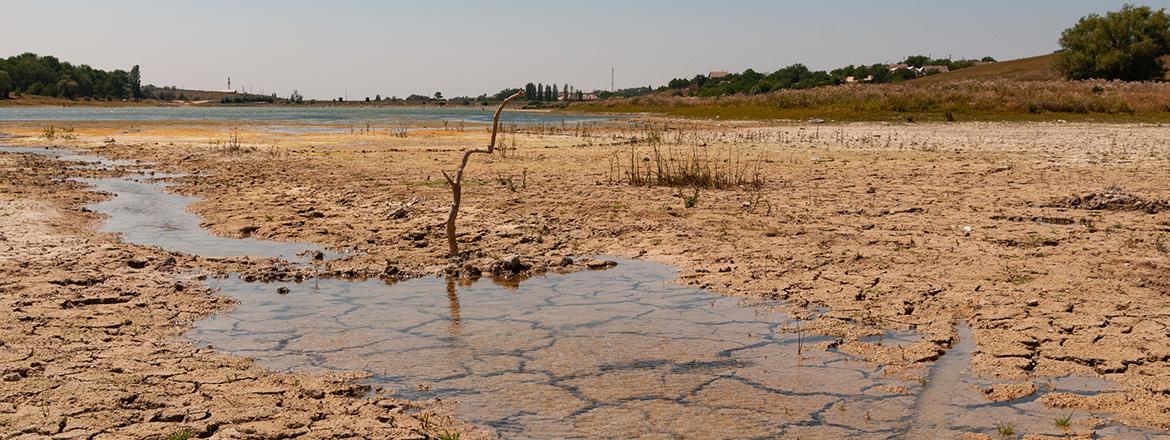
The conclave served to demonstrate that all the parties agreed to begin taking actions to demand that the public administrations start building the hydraulic infrastructure they have promised them to bring water to the fields of the region. "We've been demanding this work for a decade. Now we're at a borderline situation and practically without any water, and they still haven't undertaken this work!” stated Javier Braun, the president of the Spanish Tropical Association.
The sector demands different urgent measures and, if necessary, is willing to mobilize to obtain them. These measures include priority access to the use of tertiary waters from the Wastewater Treatment Plants (WWTPs) of Velez-Malaga and Rincon de la Victoria; access to water resources at the headwaters of the Chillar river, as a short-term solution; as well as the green lighting of the necessary permits to carry out emergency works to construct dams to take advantage of the rainfall expected at the start of this hydrological campaign; a critical season that could lead to a true collapse in the sector if rainfall doesn't increase.
Finally, the sector agreed to start the procedures to hire a Legal Technical Consulting service to develop lines of intervention that allow finding solutions to the water problem from all fronts, including the legal one.
With a cultivated area of nearly 9,000 hectares, located mainly in the Axarquia and Costa Tropical region, this sector is one of the great economic engines of the region, as more than 5,000 small farmers depend directly on it and thousands of people indirectly.
Source - https://www.freshplaza.com