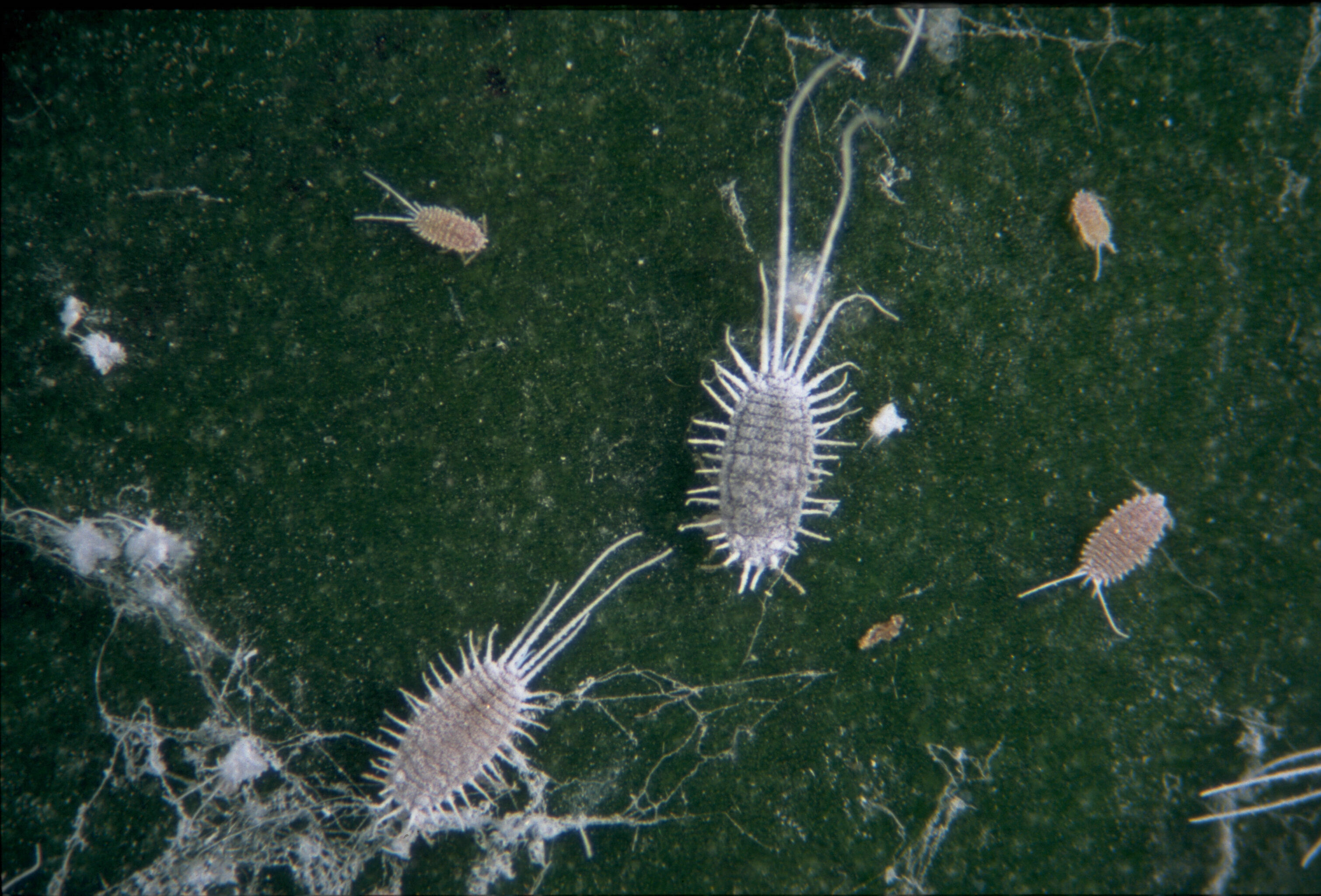
The latest surveys carried out by the Ministry of Agriculture show that the campaigns to combat the incidence of Delottococuss aberiae, also known as cotonet, are having an effect. Sources from the Generalitat point out that there is an 8 to 50% reduction in their incidence in the most affected regions.
Specifically, in the Camp de Morvedre, the number of deformed fruits in the plots reviewed has fallen from an average of 19.3% in 2021 to 9.8% in 2022. In Plana Baixa, the number of affected fruit has fallen from an average of 11.2% last year to 7.9% this year. In Plana Alta, that number has fallen from 13.3% in 2021 to 12.3% this year.
Biological pest control
Two natural enemies of cotonet are used to control this pest: the parasitoid Anagyrus aberiae, which was searched ex professo in South Africa and imported to acclimatize and breed it massively, and the predator Cryptolaemus.
There are massive releases of the former of these, as in previous years. According to sources of the Council, as of the end of July, more than 483 releases had been carried out in 309 points, located in 109 municipalities in 20 counties.
As for the other predator, last year the Ministry of Agriculture acquired almost two million adult insects of Cryptoleamus through an emergency contract, which were released in the most affected areas. Specifically, on nearly 2,000 hectares distributed in more than 2,300 plots in 18 regions. For the current campaign, the Ministry has already contracted four million specimens of this insect, which will cover more than double the area last year. In fact, the releases have begun a few days ago.
Pheromones
Cotonet control is also performed with biotechnical control measures. These consist of the use of pheromones that attract the male to a trap where they die. In 2021, Agriculture distributed 1.7 million devices, which covered an area of 7,600 hectares. This year they will distribute more than 2.3 million traps, which will cover an area of almost 11,000 hectares, i.e. 38% more than in the previous year.
These actions are complemented by phytosanitary treatments with recommended products, such as acetaprimid, sulfoxaflor, spirotetramat, or oils, as well as control measures in the management of the crop, such as the elimination of damaged fruits so that they do not serve as a reservoir of the pest, barriers against ants that help spread the pest, and the application of hygienic measures in plots, collection boxes, tools, and warehouses.
Source - https://www.freshplaza.com