Spain - RAIF has issued a warning due to the high presence of red spider mites in Almeria's pepper under-cover crops

28.10.2022 996 views

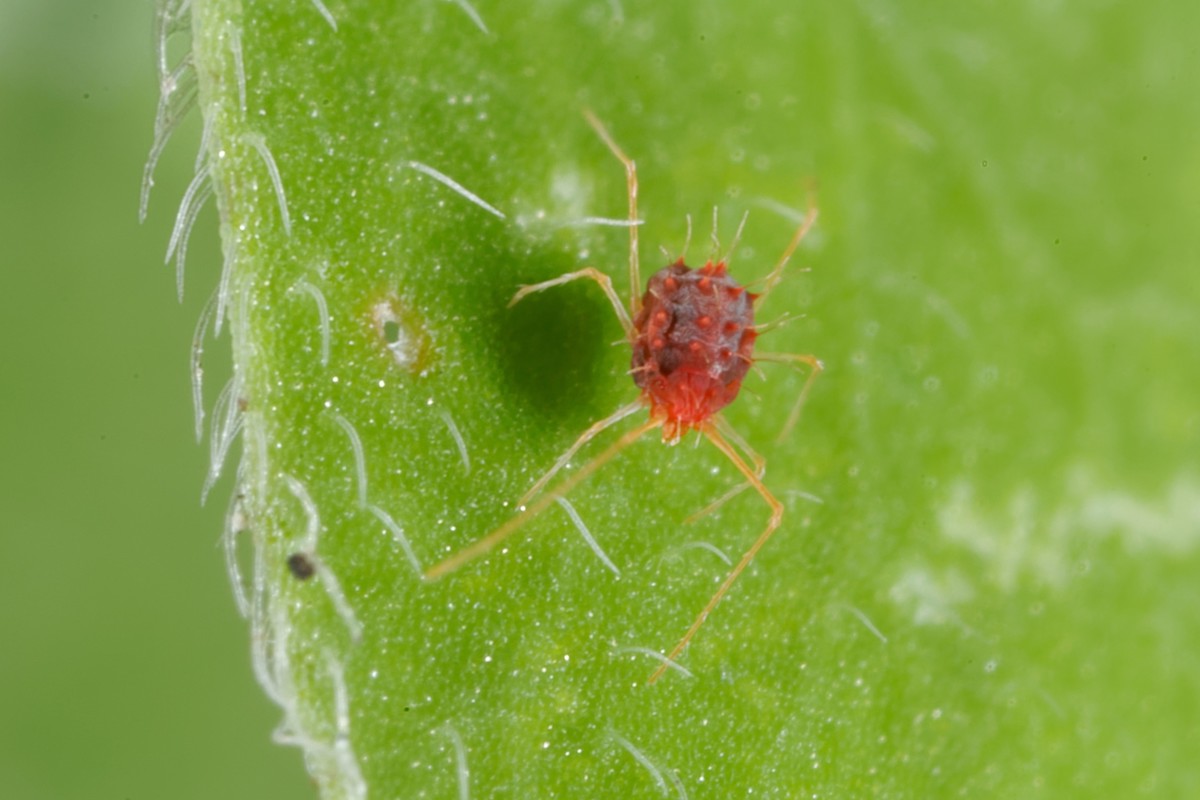
The Phytosanitary Alert and Information Network (RAIF) has reported that the presence of red spider mites is being detected in a high percentage of autumn cycle pepper crops in the province of Almeria.

"At first, it occurs in small spots (yellowish spots on the leaf bundle). In the plots where the mites were not detected early, one can find large yellow spots accompanied by desiccation and even defoliation."

"The weather conditions are ideal for its development, with temperatures of 30° C and a dry environment. They are completing their whole life cycle in a week."

"We've noticed that the incidence of this pest is higher in those plots where not enough Amblyseius Swirskii have been released, and no specific preventive plant protection product was applied a few weeks before the releases. High doses of Swirskii (100-150 ind/m²) should be released so they can establish themselves properly and thus better control the mites."

The preventive and cultural measures that the RAIF recommends to manage the red spider in the cultivation of pepper include:

  • Eliminating weeds and crop debris, as they can act as a reservoir for the pest.
  • In plots with a history of red spiders, producers should treat the structures and soil in the plots before carrying out a new planting and solarize in periods of at least 30 days.
  • Protecting the plants' first vegetative stages.
  • Avoid transporting the pest via the usual operations that are carried out in the crop, through clothes, shoes, or work tools.

"Chemical control is only carried out before the release of beneficial insects and only on fields with a history of spider mites. The crop protection products must respect the auxiliary fauna, and the treatment must be later enhanced with biological control organisms."

"The emergence of new outbreaks will be monitored by adding pest-specific OCBs such as Phytoseiulus persimilis (for control), Amblyseius californicus, and Amblyseius Andersoni (as prevention after the first detection). If the bulbs increased in size, producers should follow the same steps described above under technical criteria".

Source - https://www.freshplaza.com

04.06.2026

India - Delhi raises crop damage compensation after 10 years by over 50% to Rs 75,000 per hectare

In a major relief for farmers, the Delhi government has increased compensation for crop loss caused by rain and hailstorms from Rs 20,000 per acre to Rs 75,000 per hectare.

04.06.2026

Why Tech-Driven Agro-Insurance Has Stumbled in Ethiopia

For decades, Ethiopia’s agricultural sector has remained trapped in a dangerous paradox. 

04.06.2026

UK - Rural crime cost Wales £2.2m last year despite fall in offences

Rural crime cost Wales an estimated £2.2 million last year, with organised criminals continuing to target tractors, livestock and farming equipment despite an overall fall in offences, according to a new report.

04.06.2026

Kenyan Agro-Insurance Startup, Pula Raises US$ 20 Million in Series B Round

Pula, a Kenyan startup that offers insurance to small-scale farmers, aims to serve more than 100 million farmers in Africa after raising US$ 20 million in its Series B round. 

04.06.2026

USA - USDA announces $52M to boost public access to private lands for hunting, fishing

The U.S. Department of Agriculture is announcing $52 million to help state and tribal governments encourage private landowners to allow public access to their land for hunting, fishing and other wildlife-dependent recreation through the Voluntary Public Access and Habitat Incentive Program (VPA-HIP). 

04.06.2026

Hope Grows in Malawi’s Grain Stores as Farmers Battle Post-Harvest Losses

Some grain rots in poorly ventilated storage. Some is eaten by pests. Some is damaged during drying or transportation before it ever reaches the market.

03.06.2026

Canada - AFSC extends several northern Alberta seeding dates for 2026

Alberta’s Agriculture Financial Services Corp. (AFSC) is extending the recommended seeding dates in the province’s northeast, northwest and Peace regions for several crops for the 2026 growing season only.

03.06.2026

India - Elephants run amok in Konaje agricultural farm, cause massive crop damage

A herd of elephants, including calves, wreaked havoc on an agricultural farm belonging to Yashodhara Gowda at Pallattadka in Konaje village of Kadaba taluk.