The Catalan fruit sector is increasingly present in the international market, with Catalonia already exporting fruit to 114 countries around the world. Last year was marked by a difficult climate for sweet fruit, which accounts for the bulk of the Catalan production. This slowed the growth in the value achieved over the last 5 years.
Last month, the Promotora de alimentos Catalanes (Prodeca) attended Fruit Logistica, a fair in which it has been participating since 2001, with 16 companies devoted to the production and marketing of fruit and vegetables. In recent years, in order to better meet the needs of companies, Prodeca has set up the Catalonia Meeting Point, a shared space with meeting tables for those Catalan companies that cannot have their own stand, or which come to the fair as visitors.
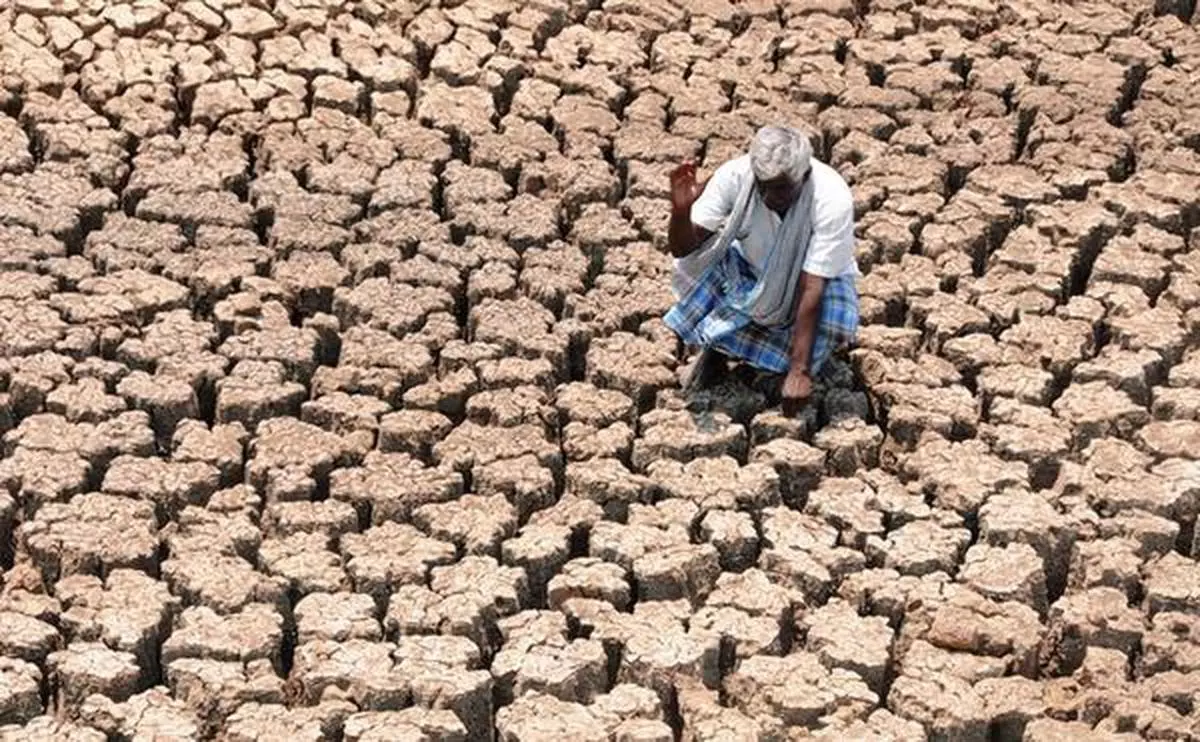
"The primary sector has always depended on the climate, and this has always brought challenges. Now the situation has become more extreme, with longer and more extreme periods of heat, as well as periods of very intense cold, with some of these happening also outside the usual dates. Therefore, we face a greater challenge and we need to implement additional measures to be able to move forward and adapt better," said Carmel Mòdol, Secretary of Food of the Department of Climate Action, Food and Rural Agenda of the Government of Catalonia.
Carmel Mòdol says that several measures have been implemented in order to tackle this problem.
Firstly, improvements in the protection of agricultural insurance to ensure it adapts to the new climatological circumstances.
Secondly, improvements of the irrigation conditions to make it possible to cope with extreme temperatures and provide the necessary amount of water to ensure the productions are ready at the right time.
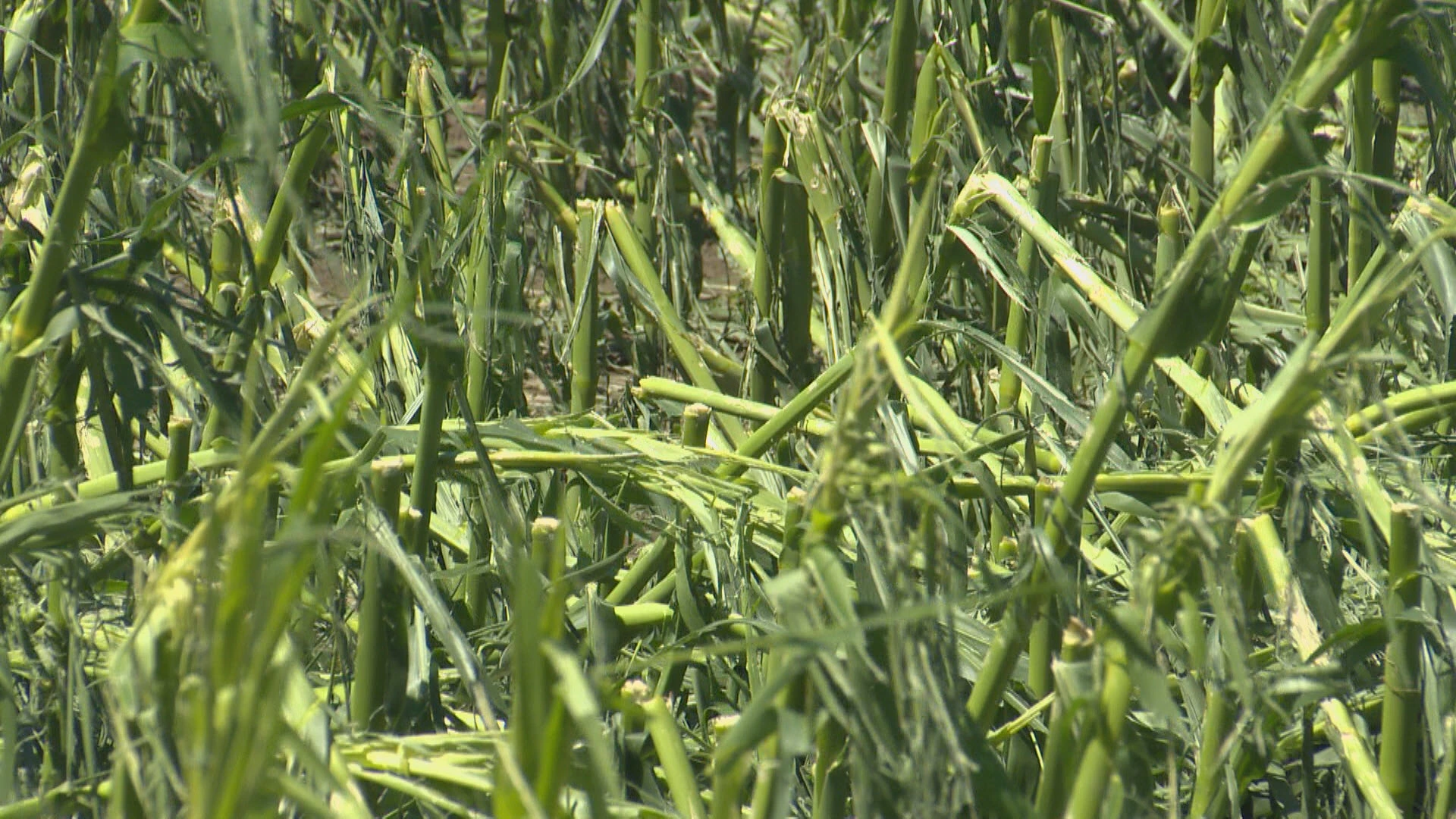
Thirdly, the use of protection infrastructures, such as anti-hail nets, and R&D focused on obtaining varieties adapted to the new climatic cycles, while also providing advice and training for the sector.
"And we cannot ignore other measures, such as financial instruments through the ICF, to provide liquidity to companies and allow them to make the necessary investments to prepare for the future," he said.
"Obviously, fruit production is determined by factors such as the weather, and that has an impact on international marketing. Last year's frosts have had consequences on fruit exports in 2022, which are down by 14.41% in terms of volume and by 5.12% in value (based on data from the first 11 months of the year, between January and November) compared to the same period in 2021. Products such as pears, apricots and cherries were the most affected by this decline in foreign sales. In contrast, peaches and nectarines, despite a drop in terms of volume, have seen their value increase. Citrus fruits have remained at 2021's levels in terms of both volume and value," said Carmel Mòdol.
Seeking to open markets for sweet fruit in Asia and Latin America, and for citrus fruits in the Middle East
From 2016 to 2021, the export of Catalan fruit grew by 27.26% in terms of value, while the volume decreased by 2.28%. "These data show us that we are boosting the value of our fruit in the international markets, given the 30.23% increase in the export value-volume ratio," said Carmel Mòdol. "This increase has also been reflected in the number of exporting companies. In the last 5 years, the number of fruit and vegetable exporting companies has grown by 17%, from 494 in 2016 to 576 in 2021."
For Catalan sweet fruit producers, the focus when it comes to the opening of new markets is on Asia and Latin America. In the case of Asia, China is of great interest for cherries and Taiwan for apples. As regards Latin America, they are looking to open the Mexican market for pome fruit, Peru for stone fruit, and Brazil for flat peaches and flat nectarines. There is also growing interest by exporters in opening Israel for cherries.
"The main hurdle in these priority markets is agreeing on the sanitary barriers that need to be negotiated for the export protocols to be approved. The transit time is also a crucial factor in the export of fruit, especially in Asian markets, as it can reach up to 40 days."
Regarding citrus, the markets of interest are mostly in Europe, namely the United Kingdom, Belgium, Switzerland, Italy and Austria, but there is also interest in reaching the Arab Emirates and Saudi Arabia.
"With the aim of helping the Catalan fruit sector, we are working in sectoral tables of sweet fruit and citrus. These are spaces for reflection, allowing the sector to articulate and define the right measures and priorities to boost its internationalization, including the prioritization of markets, the articulation of technification instruments, the strengthening of marketing mechanisms and the sector's professional development," said Carmel Mòdol.
"Prodeca and the Departament d'Acció Climàtica Alimentació i Agenda Rural are working institutionally to streamline the protocols for the opening of new markets, to be commercially present at trade fairs and to promote meetings with potential buyers in markets of interest," she said.
Source - https://www.freshplaza.com