Not even two months ago, the lack of rainfall in the Spanish Region of Murcia had led the regional government and irrigators to discuss the need for the immediate implementation of a drought decree, but now the water situation in the Region has taken an unexpected turn.
While the AEMET reported in its monthly climatological summaries that February 2022 was the fourth warmest month and the fifth driest of the 21st century in the Region -in fact, the driest in 60 years-, March ended up being the month with the lowest average maximum temperature in 49 years and the wettest of the 62 years of records of the State Meteorological Agency; and although there are still no final reports, it is likely that the cold waves and abundant rainfall in April 2022 will again result in some record-breaking statistics.
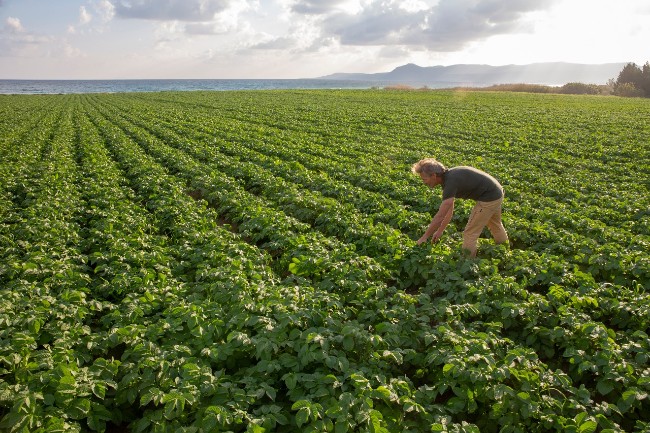
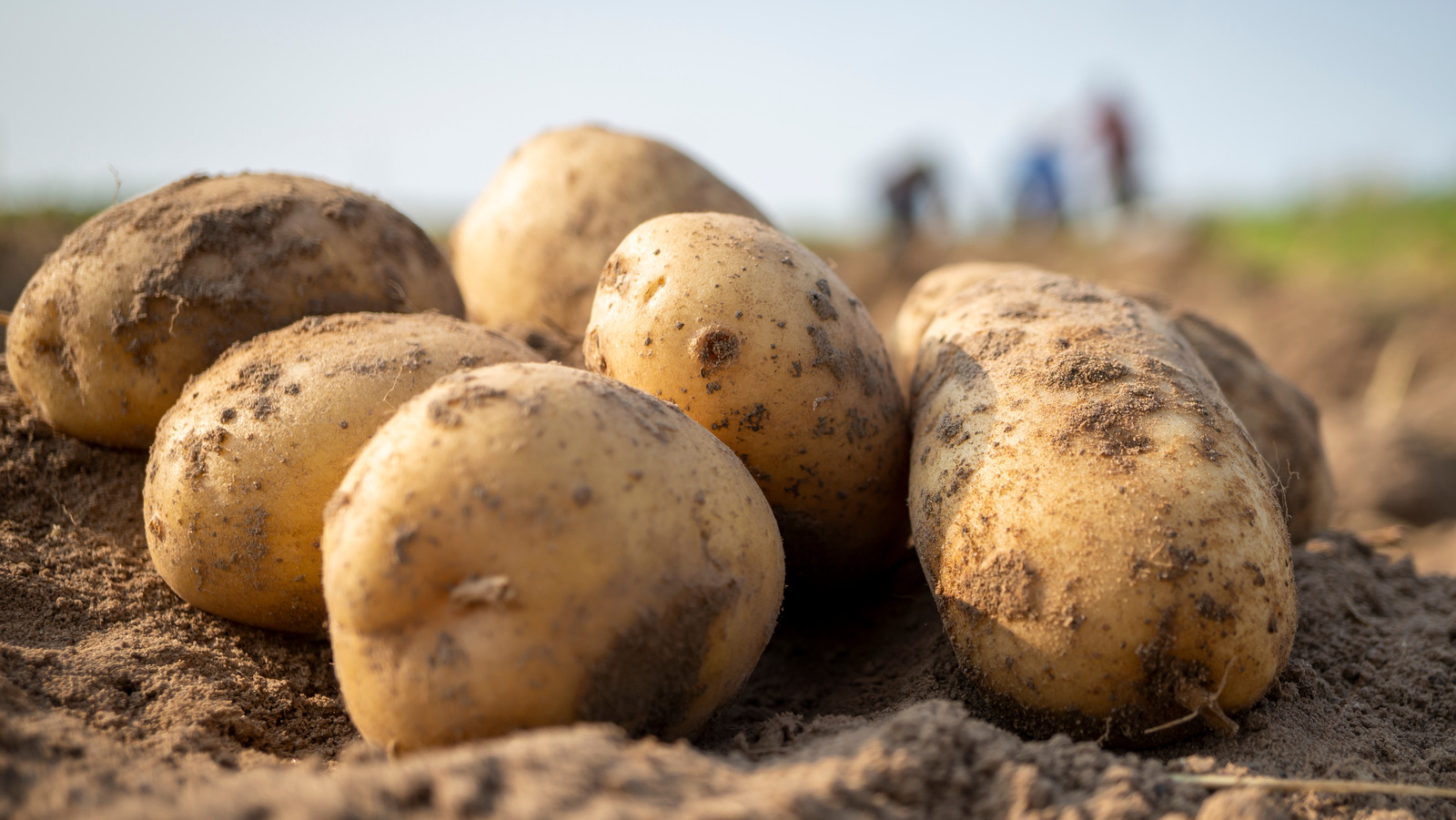
What is clear is that the agricultural sector is being harmed by this meteorological instability. "We were about to start with the harvest of new potatoes in the fields of Cartagena, but the rain has delayed the start. Even in the parts closest to the Mar Menor, where the water table is higher, the water has not drained, leaving some fields waterlogged," says Lázaro Jiménez, manager of MAS Patatas. "Moreover, it seems that the area planted with potatoes has been reduced quite a lot due to the low yields these past years and, apparently, yields could be even lower this year compared to previous ones, although this is something that is yet to be determined."
"This delay is causing quite a lot of uncertainty, because potatoes are having to be taken out of storage and the stocks are running out, and the French potatoes left are of poorer quality. In a few days, it will be necessary to fully switch to domestic potatoes and everything will depend on the productions from Seville and Campo de Cartagena, which could have a smaller harvest," said Lazaro.
"In general, the first early potatoes are intended for the traditional Spanish market. Only from May onwards, when the skin of the potatoes is firmer, allowing for the automatic selection and sizing of the product, they begin to be marketed in large European retailers, but we are already observing a great interest in our early potatoes. Compared to an old potato, which has been stored for 4 to 6 months, the difference in terms of quality is huge."
MAS (Multigestión en AgroServicios) Patatas has been devoted since 1999 to the production and export of potatoes, both for consumption and for the industry, as well as seed potatoes. "Eighty percent of the production we work with is intended for export and we offer a continuous supply of potatoes throughout the year."
"This year, the campaign has been marked by the high production costs. In the Murcia area we are working quite a lot with the free market, but in the contracts for industrial potatoes for July onwards the increase in costs is being taken into account, and those new prices are being accepted, because otherwise, they won't have any supply."
This year, global exports have been shaped by an unforeseen factor: the war in Ukraine and its consequences on the balance of the global market. Everything points to the fact that potatoes, a staple food product, will not be unaffected by the new situation on the continent. "It is difficult to determine how this new context will affect the flow of exports, but I think that, if the production in southern Spain was to be affected, it will only be indirectly."
"A factor that our potatoes are affected by is the direct competition from countries like Egypt, Israel and Morocco, which, just like Spain, supply new potatoes. They start arriving in Europe at the end of March and there is still some supply when our potatoes arrive in May. In fact, the price of our potatoes on the market depends in part on them," says Lázaro Jiménez.
Source - https://www.freshplaza.com