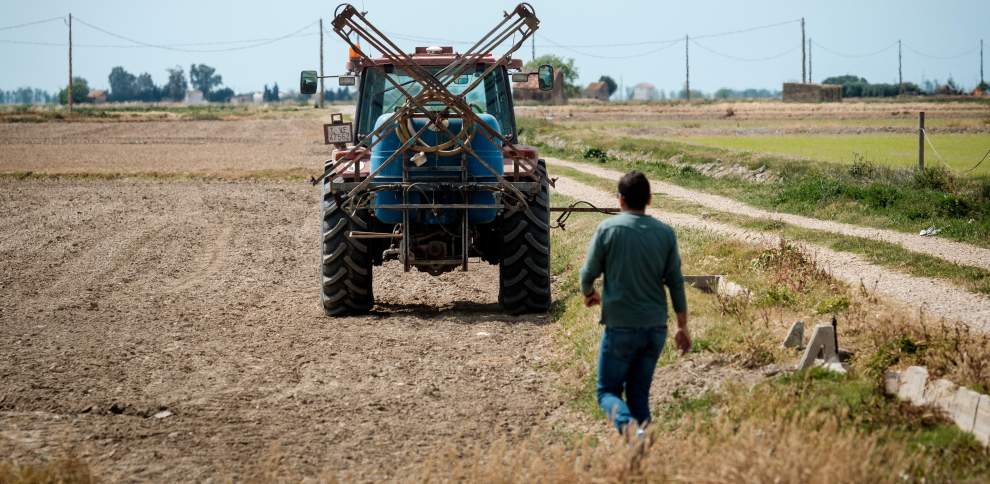
The drought that Spain has experienced in the last two years has had a direct impact on the country's economy, with the agri-food sector being the hardest hit.
The production of some of the main foods has been drastically reduced due to the lack of water, leading to a decrease in associated labor and price increases that have affected the cost of living, warns the study The Agricultural Sector and the Food Industry in Spain: Main features and regional analysis in 2023 by Unicaja.
Olive oil is the paradigmatic example. Poor olive production in the last two seasons has led to a historic price increase for this food, which has driven food inflation. And if there are no olives to harvest or process, there is also no need for as many workers in the fields.
Andalusia and Catalonia, among the regions where agricultural employment has decreased the most
In total, employment in the agricultural sector has experienced a 6.2% decrease between 2021 and 2023, resulting in a loss of 51,000 jobs, as highlighted in Unicaja's analysis. Conversely, the rest of the productive sectors in Spain have seen increases of 7.4% during this period.
The number of people employed in agricultural activities has decreased in eleven autonomous communities, especially in Andalusia, one of the areas with the greatest weight of the sector in regional employment, which accounts for more than 30% of the national total. Only this autonomous community has lost around 35,500 employed workers in two years, a decrease of almost 13% in relative terms. The decline is similar in Castilla-La Mancha, while in Extremadura (the second community with the highest weight of agricultural employment), the number of employed workers has decreased by 9%.
Similarly, in Castilla y León, Comunidad Valenciana, and Catalonia, the number of employed individuals is lower than that of 2021, especially in the latter case (-12.1%). Catalonia has been the autonomous community most affected by the drought, especially in areas of cava and wine production such as Penedès or Priorat. Winemaking companies have already stated in recent weeks that their sales have declined due to the lack of product caused by the water scarcity.
On the contrary, in Murcia and Galicia, the number of employed individuals in agriculture has increased by more than 4% between 2021 and 2023.
The drought has also affected the evolution of Spanish agri-food exports. The value of exports surpassed 67 billion euros in 2023, representing an 18% growth compared to 2021. However, this increase is due to rising prices, as the export volume has decreased by 14%.
This decrease in volume has been widespread among the autonomous communities, with the exception of the Basque Country, the Balearic Islands, and Galicia. In Andalusia and Aragon (communities where these exports account for more than 30% and around 20% of their total export value, respectively), the decline has exceeded 20%, as has been the case in the Canary Islands.
When it comes to food production, the impact of drought is widespread, although extensive crops such as grasslands are among the most affected. The production of cereals has been significantly reduced, with cuts of over 50% in barley cultivation compared to the average of the years 2017-2021. Wheat production has dropped by more than 40% and corn production by almost 30%. These declines are behind the rise in food prices.
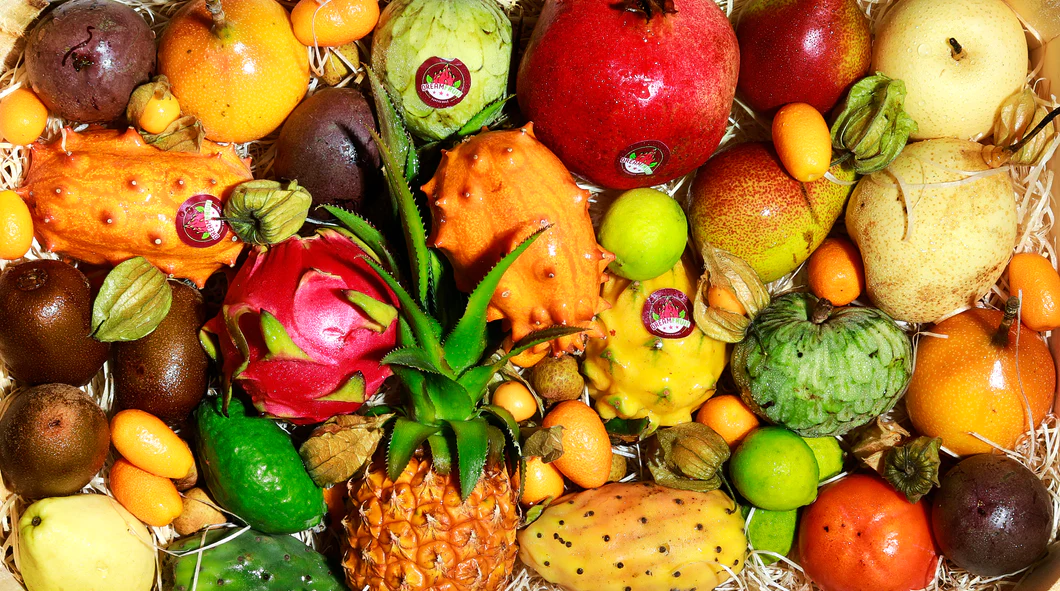
Fruit has also experienced declines, both due to the lack of rainfall and water restrictions for irrigation. The tangerine harvest, for example, was around 15% below the 2017-2021 average, and the orange harvest was slightly over 25% lower. The olive groves, on the other hand, maintain a production well below average despite a substantial improvement in the current season. The water shortage thus triggers a chain reaction that affects socioeconomic development.
Source - https://www.lavanguardia.com