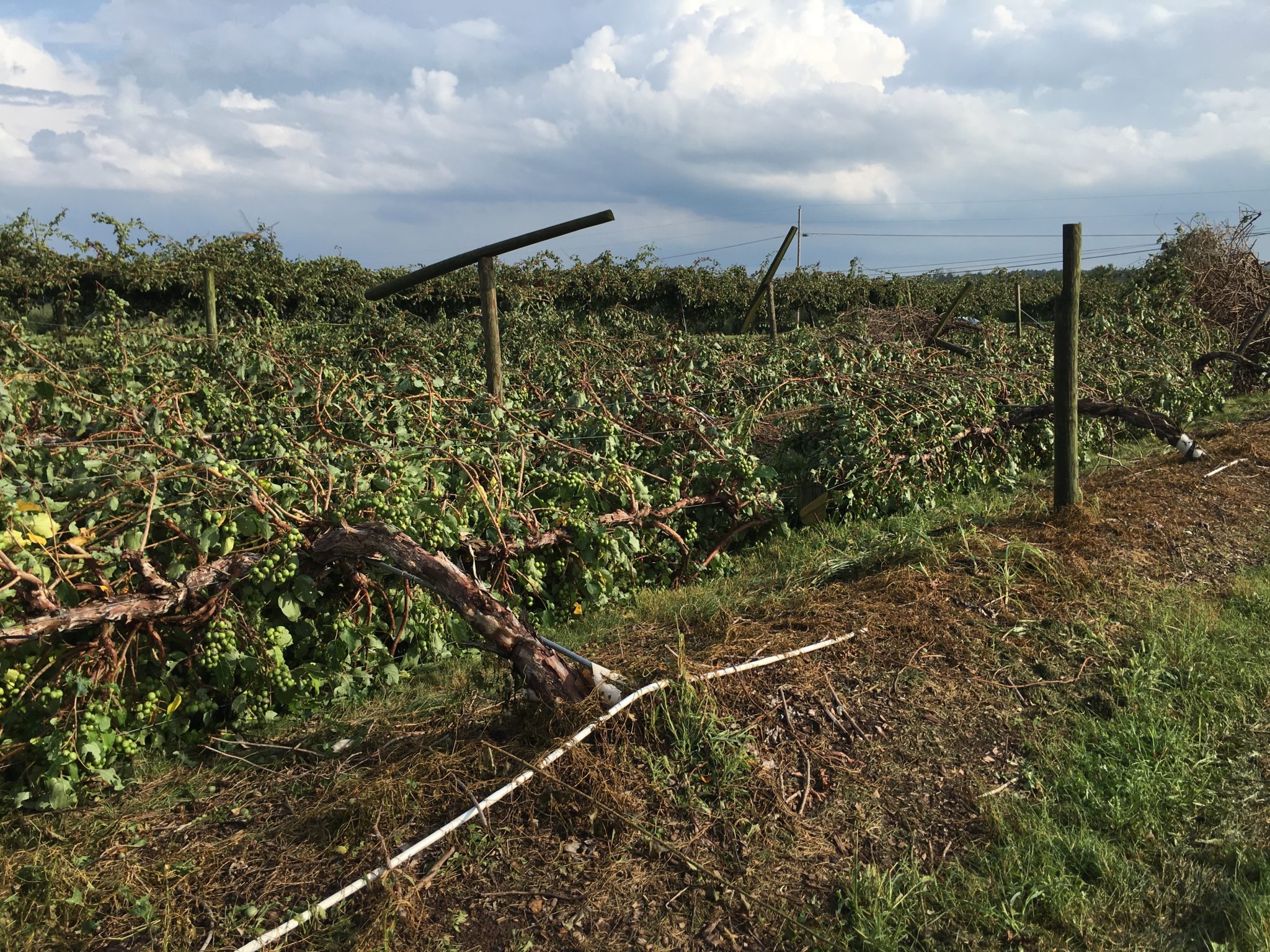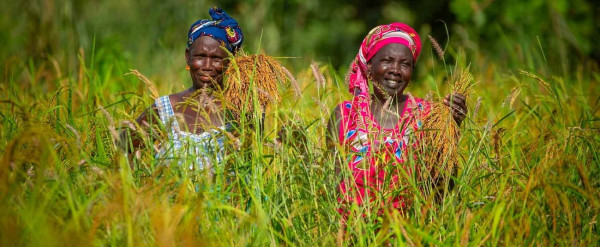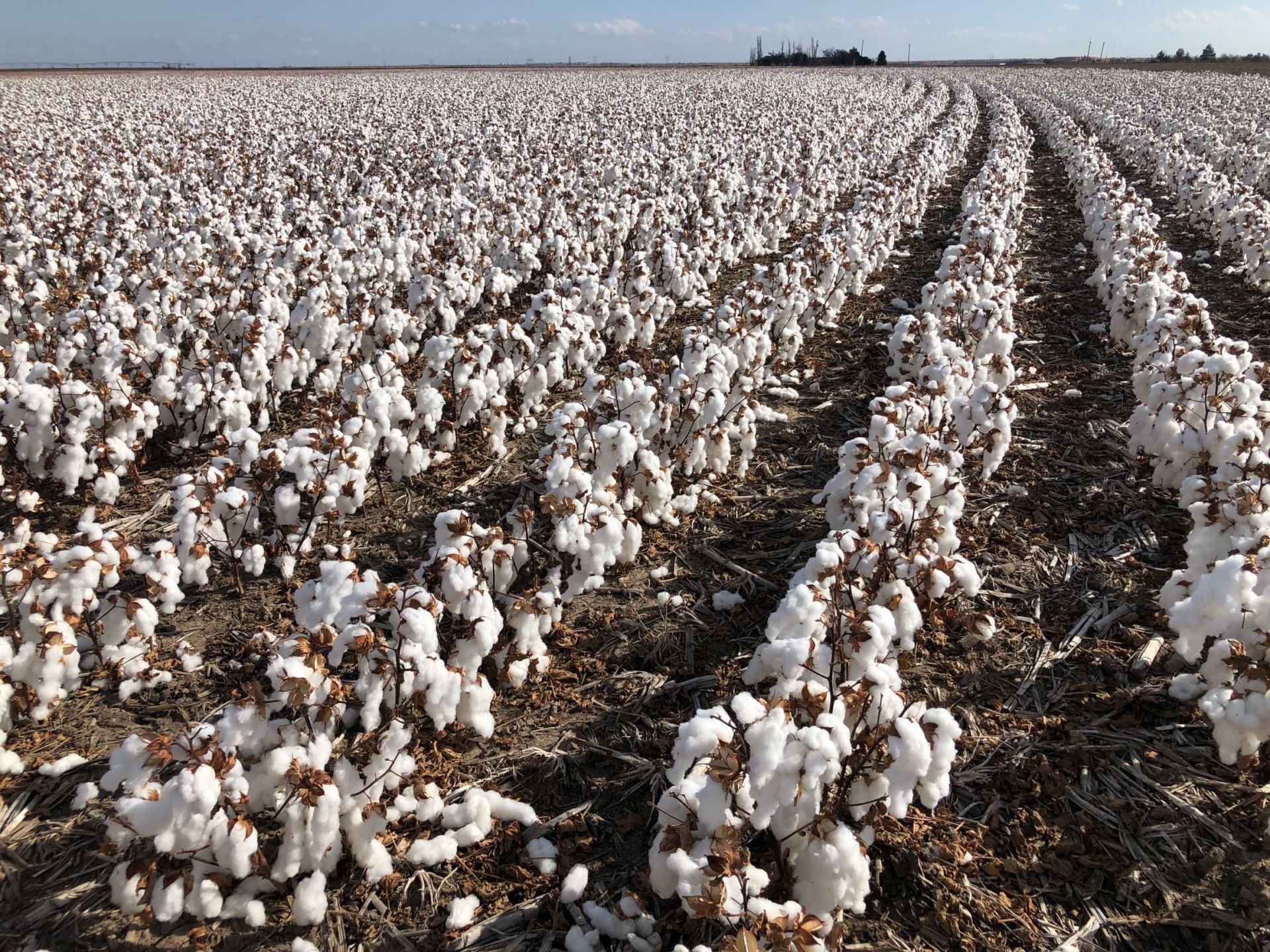
Cotton farmers in the city of al-Hasakah in northeastern Syria fear that the pricing for their crop will not cover the costs they have incurred after investing significant effort and time, as the cotton picking season has begun in some fields in mid-September.
Despite promises from the Autonomous Administration of North and East Syria (AANES) to purchase the crop and leave a profit margin for farmers, fears still linger. The 2023 season was described as “catastrophic,” as AANES set the price of a ton of raw cotton at $800 USD without announcing its purchase from farmers, allowing for its export out of the region.
Irrigation expenses
Nazzal al-Hussein (49 years old), a farmer from the countryside of Qamishli, told Enab Baladi that there are concerns that the prices to be set will be lower than production costs, leading to significant losses for farmers who rely on crop sales to cover yearly expenses and achieve a profitable margin for their livelihood.
Al-Hussein owns five hectares planted with cotton, irrigated by well water using a diesel-powered pump. If not for fears of low pricing or a retraction from purchasing the crop, he would have doubled the area he cultivates, as he explained.
The farmer mentioned that the cost of a hectare ranges between $1000 and $1500 USD, because the fuel distributed by the Autonomous Administration is insufficient. AANES provides 1000 liters of diesel at irregular intervals, which is enough for less than a week, at a subsidized price of 950 Syrian pounds per liter, forcing many farmers to buy diesel from the black market at a price of 5000 Syrian pounds per liter.
AANES is supposed to provide 20 liters per dunam for each irrigation (which can last a week or more depending on the field size), but delivery schedules are not adhered to and there are always delays, according to farmers.
According to what Enab Baladi observed, farmers demand that the price per ton of cotton be around $1000 (15 million Syrian pounds).
Cotton requires care and maintenance before and after planting, such as hoeing, thinning, and irrigating, and involves labor costs, making it an expensive crop to cultivate, as explained by the farmer Juma al-Karim (51 years old) from the western countryside of al-Qahtaniyah.
In his discussion with Enab Baladi, he stated that any pricing that does not meet farmers’ expectations and cover costs would mean “the collapse of this agriculture and further debts for farmers.”
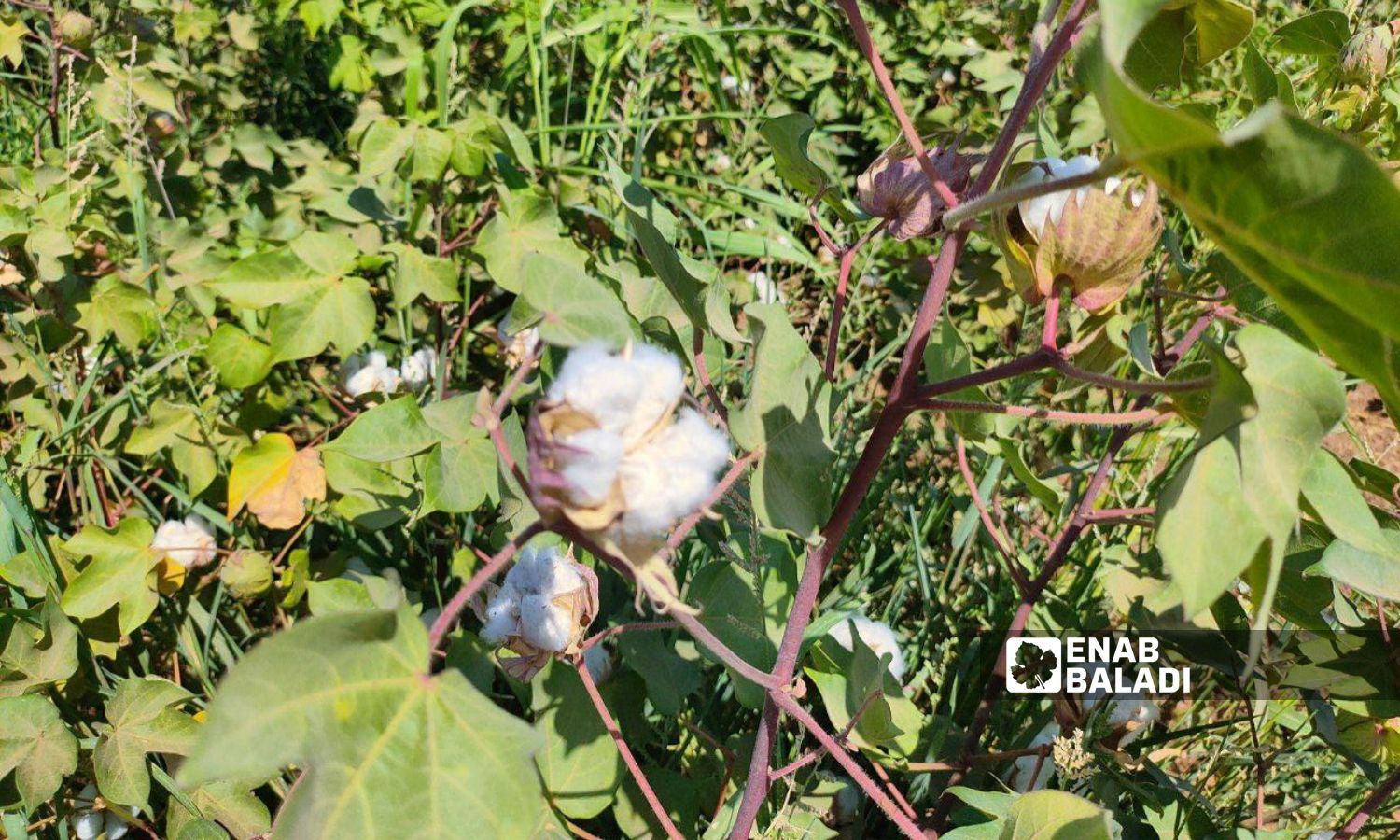
Cotton farmers in al-Hasakah await a suitable pricing for their crop – September 12, 2024 (Enab Baladi/Majd al-Salem)
Declining areas
Agricultural engineer Tariq al-Ayed from the countryside of al-Hasakah told Enab Baladi that cotton farming in al-Hasakah province is a fundamental pillar of the local economy and significantly contributes to providing job opportunities and income for residents. Nevertheless, this vital sector faces challenges without any radical solutions.
The cultivated areas have decreased from the previous season due to farmers’ losses from AANES not purchasing the cotton season and falling prey to traders. Despite this, support remains weak and limited, as farmers continue to rely on their personal effort to secure all the necessities for this agriculture, from fuels to fertilizers and seeds.
The engineer added that the current season is considered good, with infections being non-hazardous, and some farmers have actually begun harvesting. However, cotton is a crop that drains the soil, so it needs continuous support with fertilizers and pesticide spraying, which increases its costs.
He mentioned that solar-powered irrigation projects have saved farmers the cost of fuels, but setting up such systems is expensive, costing at least $15,000 USD, and most farmers cannot afford it.
Promises of profit margins
Most of the cotton-planted areas in the province are under the control of the Autonomous Administration, which has promised to buy cotton for the current season. “The final pricing for purchasing the material will be calculated after setting an appropriate profit margin for the farmer,” said Walaa al-Mohammad, co-president of the Cotton Foundation, to the North Press news website associated with the Autonomous Administration.
She mentioned that the areas planted with cotton amounted to 425,000 dunams (42,500 hectares) in the three regions of al-Hasakah, Raqqa, and Deir Ezzor, according to the Cotton Foundation’s records, with expectations of receiving between 75,000 to 100,000 tons of cotton at three specific centers in al-Hasakah, Raqqa, and Deir Ezzor.
Meanwhile, the Directorate of Agriculture in al-Hasakah, affiliated with the Syrian regime, stated that the cotton areas for this season reached 4775 hectares out of the total planned area by the subsidiary agricultural committee, which is 5450 hectares.
The 2023 season was “catastrophic” for farmers as the price determination decision without purchase was, according to farmers, the “final blow” to their crop given the costs involved, including fuels with hiked prices by the Autonomous Administration in mid-September 2023, expensive fertilizers, high operational costs, and crop diseases.
Source - https://english.enabbaladi.net/