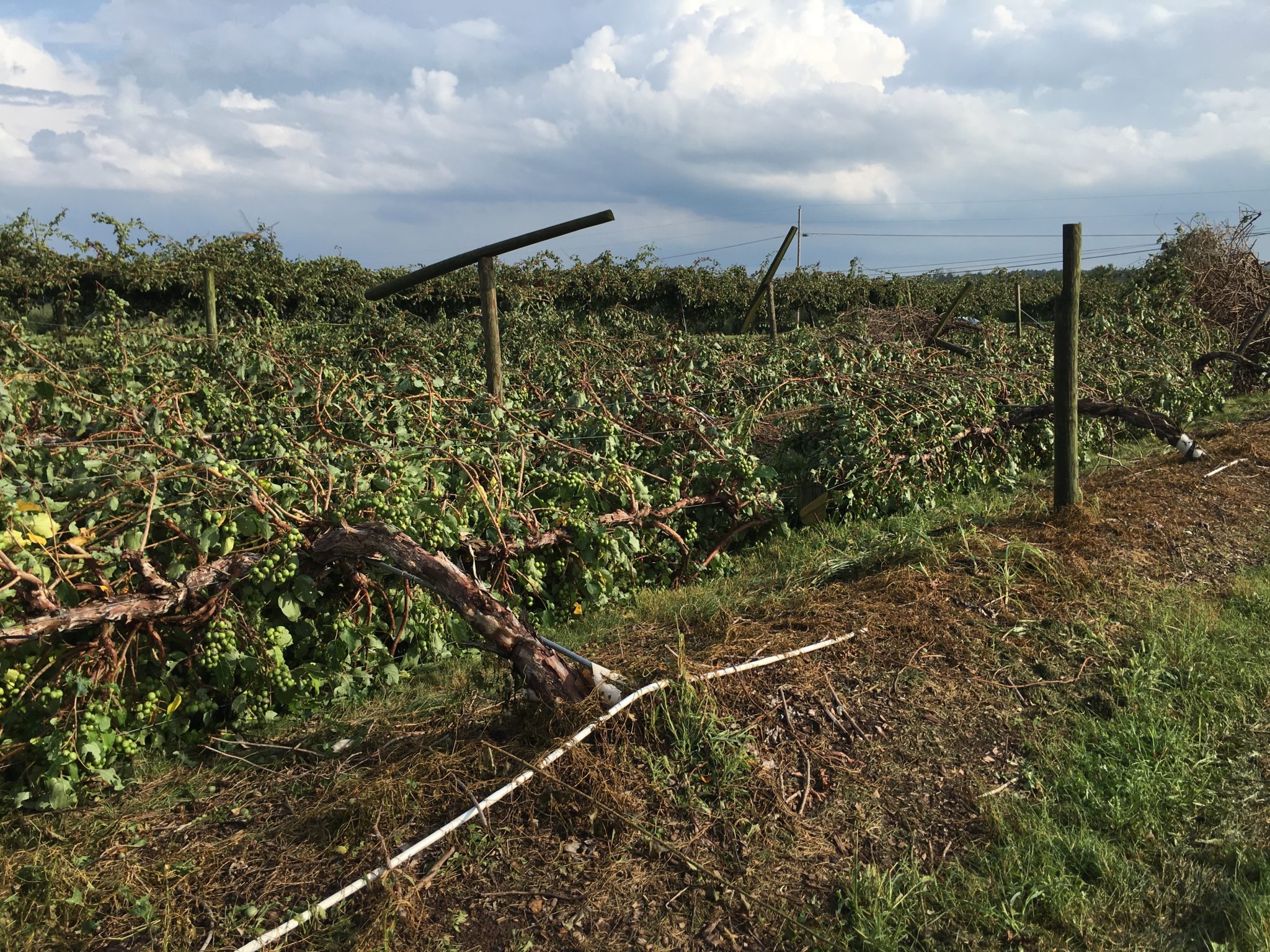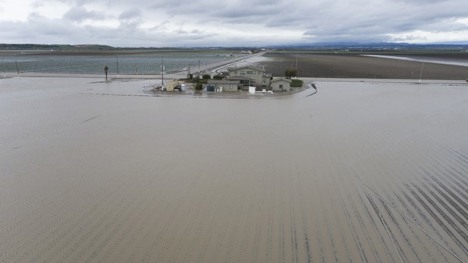
The 2023-2024 El Niño had a catastrophic impact on East and Southern African countries as it triggered heavy rainfall and lingering floods from April to May 2024. In Tanzania’s Rufiji District, the International Federation of Red Cross and Red Crescent Societies reported that around 88,000 people have been affected and 6,000 have been displaced. Reports also show that the floods devastated seasonal rice production in hundreds of hectares of rice farms worth millions of dollars.
The Rufiji River is the largest basin in East Africa comprising Kilombero, Lower-Rufiji, Luwengu, and Ruaha. Along the Lower-Rufiji and Kilombero subbasins, rice is vastly and primarily cultivated by hundreds of rice producers, contributing to about 9% of Tanzania’s total rice production. However, the area remains one of the poorest in the country.
Because the Lower-Rufiji River is the area that catches the heavy rains from the three upper basins, flooding constantly threatens the livelihood of communities living around it.
“In the affected areas, floods not only deprive farmers of their main sources of food and income but also force them to explore alternative options,” said Paulo Sulle Michael, a researcher at the Sokoine University of Agriculture. “This highlights a clear connection between agricultural disruption caused by flooding and the resulting food insecurity and poverty in the Lower Rufiji region.”
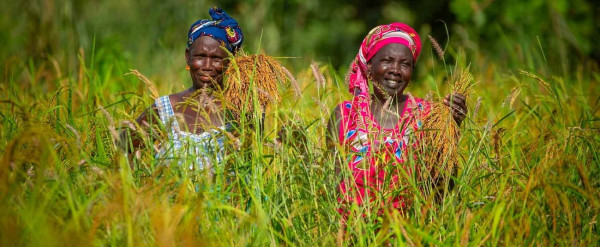
However, local farmers associate floods with improved soil fertility. This is why the floodplains around the Rufiji River are perceived as ideal for rice farming. Rice farmers have learned to adapt to the conditions. When these areas are hit with extensive flooding, farmers resort to mlao or “recession” agriculture. Mlao is when they plant in recently flooded areas to take advantage of the remaining soil moisture. These practices have greatly benefitted the farmers.
“This option becomes a challenge in years where flood is followed by drought, and soil moisture is not enough to suffice crop water requirements,” Mr. Michael said.
Furthermore, rice farmers lose more yield when their crops are submerged before their flowering stage. Breeding efforts have been made to improve crops’ tolerance to submergence through the SUB1 gene. The gene activates when the plant is submerged, making it dormant, and conserves the plant’s energy until the floodwater recedes. Yet yield gaps remain prevalent due to poor agronomic practices and hydrological conditions.
“In Rufiji, floods do not just impact rice growth; they can also lead to stagnant water that persists until harvest time,” said Flora Magoti, ward extension officer based in Rufiji. “Some farmers have to resort to local boat-based harvesting called mitumbwi due to the stagnant water in their rice fields to harvest whatever rice is left in their fields.”
Mr. Michael and his colleagues used Google Earth Engine’s Sentinel-1 to observe the pattern of floods across years and space in the Kilombero and Lower-Rufiji sub-basins, two of Tanzania’s major rice-growing catchment areas. Also known as remote sensing, this method can provide information on land use, land cover, and the extent of flood damages. Moreover, these rice-growing areas did not have enough data on flood incidences and severity, which are substantial and useful as a decision-support tool.
The results of their study revealed that flood incidences were dynamic from 2017 to 2022 but submergence-prone areas or affected rice fields remained consistent. Another key observation is that, although the area is classified as wetlands, more land was converted for agricultural use yearly due to changing rainfall patterns and increased demand for rice.
This positions farmers in a highly vulnerable state; the closer their rice fields are to the wetlands or rivers, the more likely they will experience submergence, which could cause up to 38% loss in yield.
The study can help vulnerable farmers decide how to mitigate the damage to their fields.
“We are planning to prepare posters using the farmers’ language and maps so that we can disseminate findings about the submergence-prone zones.” Mr. Michael said. “We will work together with the local government to reach the farmers.”
It can also help decision-makers implement informed policies to support communities living in or around flooding and even drought hotspots.
“The findings are very accurate,” Mr. Michael added. “We hope that more local authorities can use this information to prepare themselves for disasters not just in Tanzania but for other countries, too.”
Furthermore, this can help identify potential areas for the distribution of submergence-tolerant rice varieties carrying the SUB1 gene.
Source - https://www.en.krishakjagat.org