Discovery in livestock highlights need for targeted disease control, improved diagnostics and regional surveillance to safeguard animal and human health.
As part of its ongoing efforts to combat brucellosis, a serious and often neglected disease endemic to many low- and middle-income countries around the world, a team of researchers from the Texas A&M College of Veterinary Medicine and Biomedical Sciences (VMBS) has identified the specific species of the Brucella bacteria that causes illness in animals in Cameroon.
The VMBS research team, led by associate professor Dr. Angela Arenas, studied more than 4,600 livestock animals and found that the only Brucella species present was Brucella abortus, a species primarily associated with cattle that causes pregnancy loss and infertility.
The team’s recent article, published in Nature Communications, suggests that a substantial number of cattle and goats in Cameroon — likely exceeding 1 million animals — are infected, which indicates a significant potential impact on human health through zoonotic transmission, with several million chronic human infections potentially occurring in the population.
“This study is critical because it provides the first molecular confirmation of whichBrucella species is endemic in Cameroon. We found that only Brucella abortus is present, and its strain is genetically distinct from those outside Africa,” said Dr. Christopher Laine, an assistant research scientist and epidemiologist in Arenas’ lab. “This was unexpected, as previous assumptions suggested multiple species might circulate.”
“Understanding the strain’s origin and uniqueness is essential for designing targeted control measures, particularly since B. abortus primarily infects cattle rather than small ruminants or pigs,” Arenas said. “Focused surveillance and prevention strategies are critical for controlling this disease. By mapping genetic relationships, we can strengthen surveillance and implement region-specific strategies to reduce transboundary transmission.”
The challenges in fighting brucellosis
Brucellosis is a zoonotic disease that can spread to people who handle infected tissues from major livestock species, including cattle, pigs, sheep and goats, as well as through consumption of unpasteurized dairy products.
In humans, it can cause chronic fever, joint pain, neurological issues, cardiovascular issues and potentially death. Because many of its symptoms mimic malaria, typhoid, or even food poisoning, affected individuals are often misdiagnosed, sometimes even for years.
One of the biggest challenges in fighting brucellosis is a lack of awareness among doctors, veterinarians and policymakers in affected countries.
“Lack of awareness among health professionals and policymakers is a major barrier,” Arenas said. “This knowledge gap was a key motivator for our work — without accurate data and awareness, effective control programs cannot be implemented.”
Learning more about which species of bacteria cause brucellosis in affected countries is an important step in developing plans to reduce transmission, as it can indicate how the disease is spreading and support the development of control and prevention approaches, including diagnostics and vaccines.
Diving into the data
For the recent study in Cameroon, the Arenas research team analyzed tissue samples taken from seemingly healthy animals in the Far-North, North and West regions of Cameroon between February 2021 and May 2023.
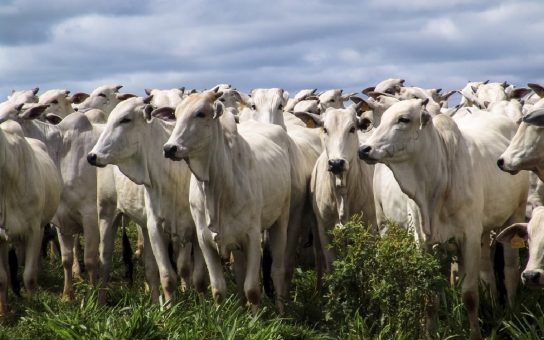
Through a series of diagnostic tests, the team determined that approximately 8.3% of cattle and 7.3% of goats were infected with B. abortus. Because cattle serve as the primary host of this Brucella species, these results indicate that they are likely the main livestock species driving brucellosis transmission in Cameroon.
“These findings show that control measures need to focus primarily on cattle,” Laine said. “This is a major step forward and highly significant for Cameroon because the government now has a specific livestock target rather than speculating that goats or sheep are the primary source.
“Even small percentages of infected animals can have an outsized impact on disease spread,” Laine said. “Brucella abortus is easily transmitted, and a single infected cow can expose many other animals through shared markets and grazing. The risk to people is even greater: because milk from multiple cows is routinely mixed and sold raw, one infected animal’s milk can reach hundreds of consumers each week.”
Next‑generation DNA sequencing showed that the B. abortus strain circulating in Cameroon is genetically related to strains found in Uganda and Sudan but distinct from those present on other continents, which suggests that the strain likely spread to Cameroon from within Africa rather than being introduced from outside the region.
“This finding underscores the need for control strategies centered on regional collaboration and enhanced border surveillance, as neighboring countries are likely facing similar epidemiological patterns,” Laine said.
Ongoing work
This study, which was funded by the United States Department of Defense’s Defense Threat Reduction Agency, is part of a series of projects Arenas’ team has been conducting to fight brucellosis in several countries, also including Uganda, Tanzania, Kenya, South Africa and Armenia.
The work has also included measuring the rates of misdiagnosis, developing new diagnostic tests, training researchers in affected countries and providing educational resources for local health professionals, officials and community members.
“Brucellosis is a leading cause of economic loss and human suffering in low-resource settings, with global estimates reaching up to 7 million new cases annually,” Laine said. “The disease reduces livestock productivity and poses a serious public health threat.
“Our work spans multiple countries to strengthen diagnostic capacity, minimize misdiagnosis and advance One Health strategies,” he said. “Ultimately, our goal is to provide evidence-based tools that enable policymakers to implement sustainable control programs and reduce the overall burden of disease.”
Their work has a global impact, not only because of the disease’s current widespread reach and the speed at which it can spread, but also because of its potential use as a bioweapon.
“Beyond its natural spread, Brucella is a potential bioweapon due to its ease of aerosolization and high infectivity,” Arenas said. “This underscores the need for international collaboration and investment in surveillance and control.”
Source - https://www.eurekalert.org