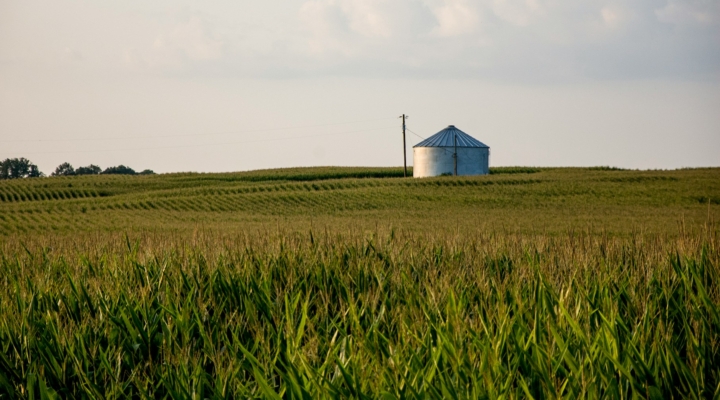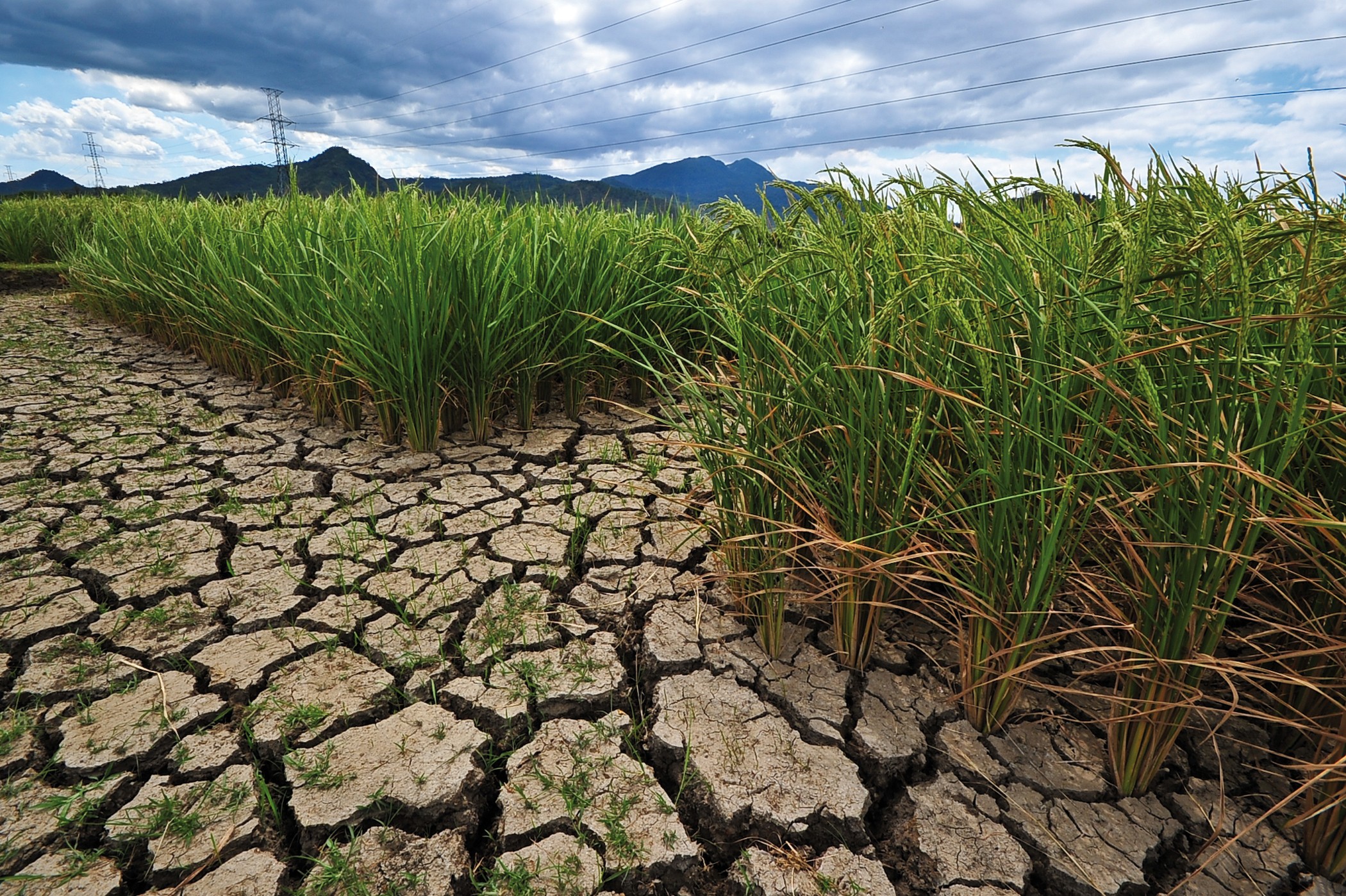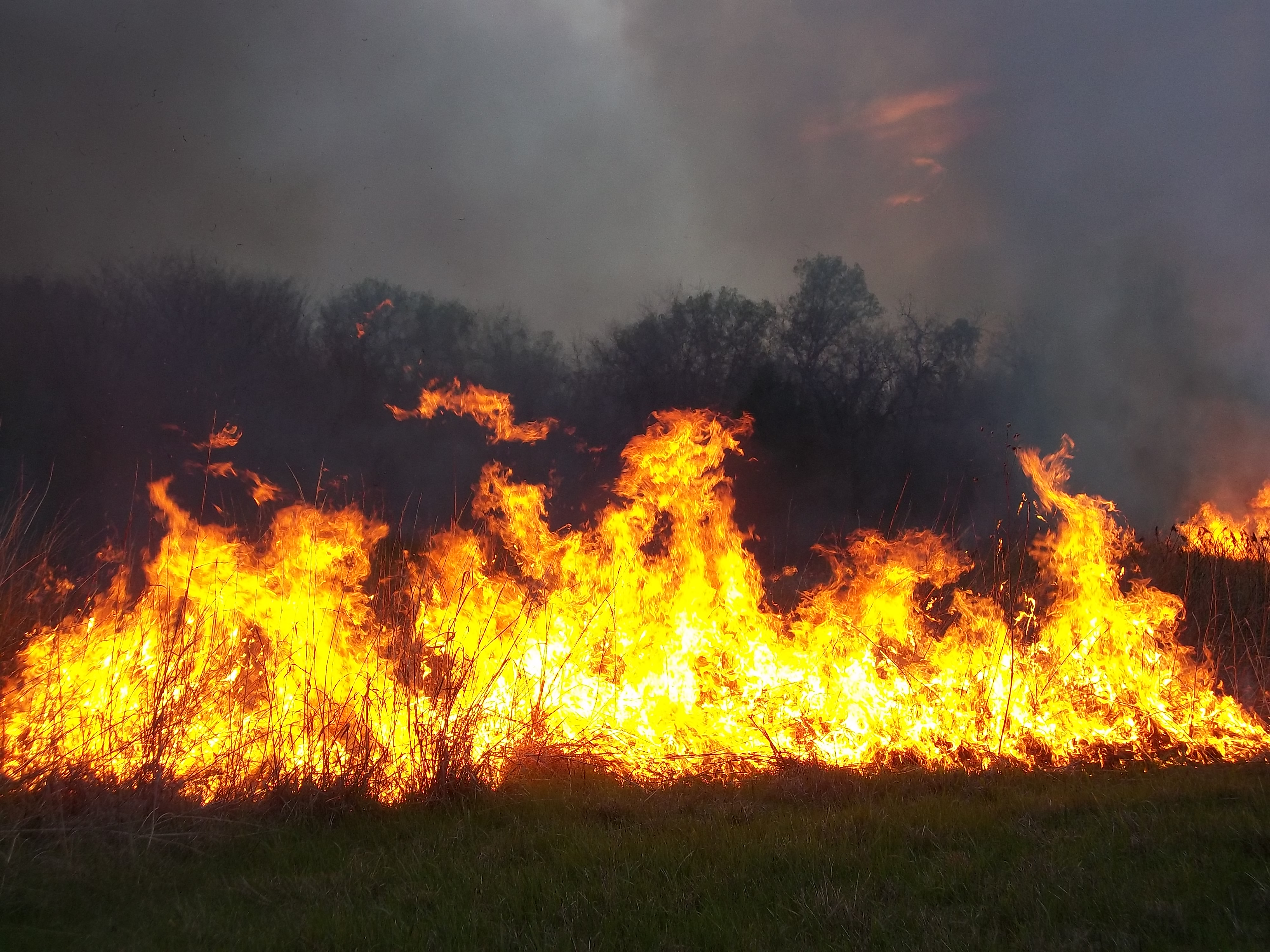
A heat wave and fires are badly damaging Tunisia's grain harvest, leadig the farmers union to forecast that output will fall well short of government hopes.
Loss of grain production comes as the North African country struggles with food importation costs driven higher by the war in Ukraine.
Agriculture Minister Mhamoud Elyess Hamza this month forecast the 2022 grain harvest would reach 1.8 million tonnes, up 10% on last year's.
But farmers union official Mohamed Rejaibia, pointing to fires that began raging over much of the country last month, said that was no longer possible.
"The grain harvest will not be more than 1.4 million tonnes," said Rejaibia, a member of the union's executive office. "Some of it will be lost to fires and some perhaps during collection."
The union and experts say the crop also is suffering direct damage from high temperatures, which have already reached 47 Celsius (117 Fahrenheit) this summer and are forecast to go as high as 49 Celsius. Moreover, the heatwave is could hinder agricultural workers in collecting the harvest.
Tunisia has been counting on a big crop to reduce grain imports amid a national financial crisis that is exacerbated by the war. Higher prices of imported food and energy will cost the budget $1.7 billion this year, says the government, which subsidises such supplies.
The country has aimed at self-sufficiency this year in production of durum wheat, the main grain that it produces.
Some farmers are harvesting grain early, accepting smaller crops for fear of losing all their 2022 production to fires.
"Usually we begin the harvest season in July, but this year we started on June 18," said farmer Abderraouf Arfaoui in Krib, a northern town. "We are afraid of fires. We must watch our land day and night."
"We must harvest without waiting, even if that reduces the quantity and quality of the wheat, and when we finish the harvest we must watch our haystacks, too."
President Kais Saied said this month that the grain crop this year would be a target for criminal gangs, which particuarly planned to steal product of good quality.
Source - https://www.zawya.com