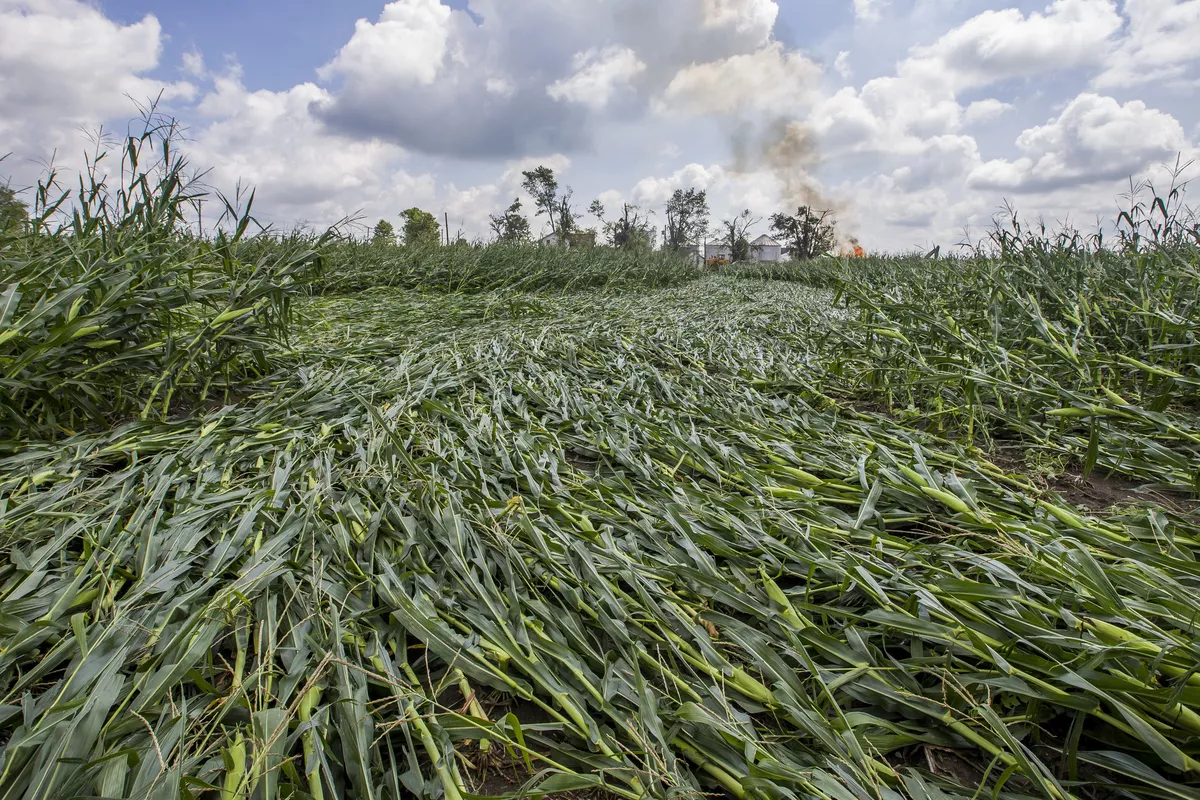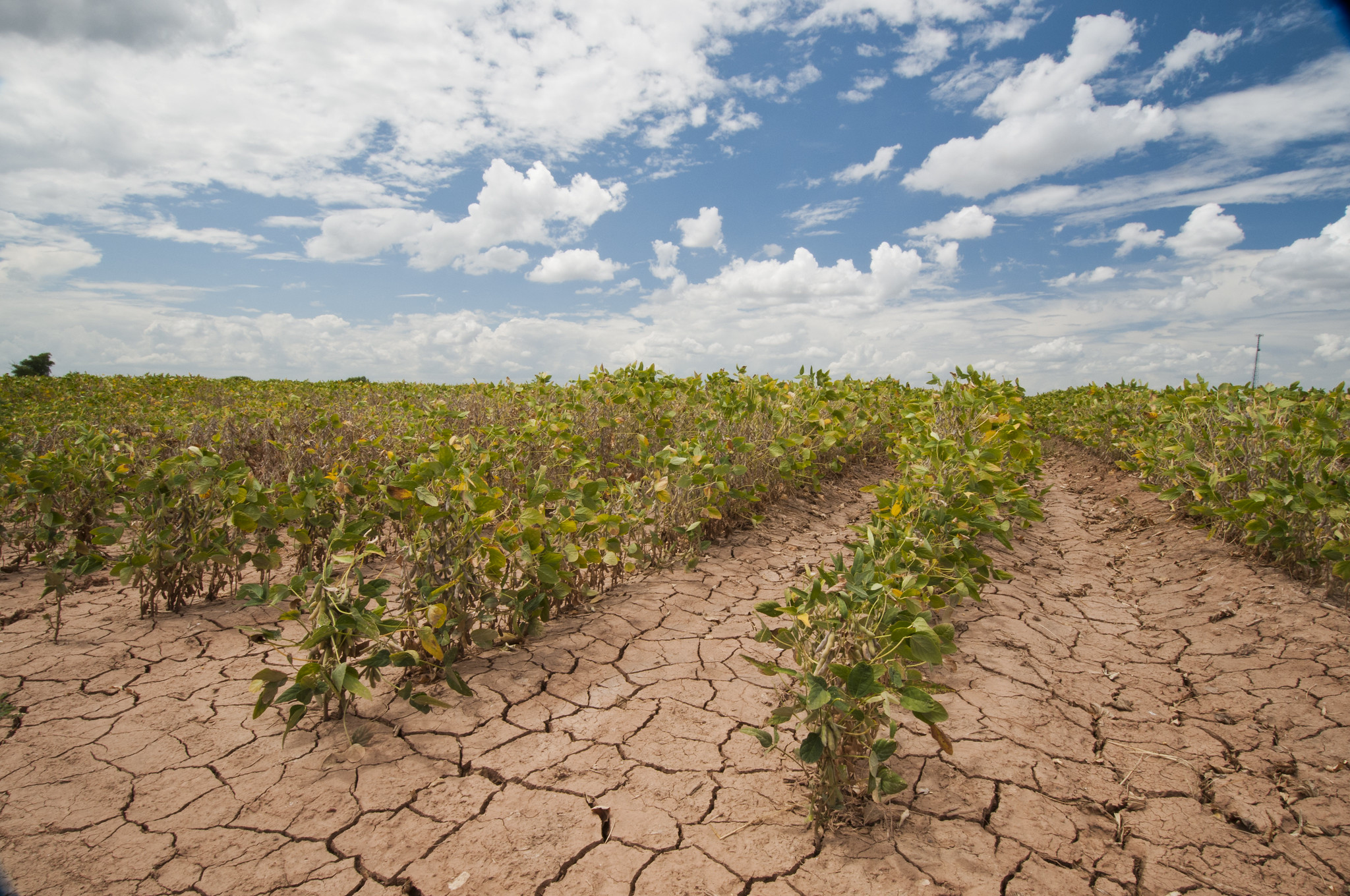
Four consecutive years of drought have gotten the better of Tunisian producers and forced them to abandon several crops in favor of others, also motivated by government measures in this direction. Selmi Mohameddhia, a Tunisian agronomist, comments on the situation.
Selmi explains: "The least we can say is that the agricultural season in Tunisia has been very difficult because of water stress, which has impacted the cultivated areas and yield. All the Tunisian territory was classified as in danger except for some locations, especially near the Algerian border thanks to the water table connected to this neighboring country. This has resulted in a 50% drop in volumes for all crops combined."
Selmi continues: "The damage is obvious in the areas of arboriculture crops, but density decline helped improving the quality of fruits. In cucurbits such as melons and watermelons, the decline reaches 60% of acreage. Solanaceae such as tomatoes and peppers has shrunk by half."
The situation has prompted the Tunisian government to regulate the use of water, even rationing tap water in households. Selmi said: "These measures in the agricultural sector have included the prohibition of the export of certain crops defined as strategic or of primary importance, this is the case of tomatoes that have been banned from exporting even to Libya, which relies heavily on Tunisian tomatoes, with the exception of a few companies located mainly in the south. This has pushed the usual clientele to procure from Egypt in large part.
"The government also introduced new subsidies this year for grain cultivation, which has encouraged producers to abandon their crops in favor of the strategic crops promoted by the government."
Selmi, says he is concerned about the situation in the coming years: "Producers have already reached significant depths in the forage of wells, and are also facing salinity in the water. In these conditions, only seawater desalination plants could provide a solution. For an emerging country, this is very expensive but feasible. It will also be necessary to move towards recycling the water and to use it to irrigate at least the arboricultural areas and the forage crops."
The recent rains that the country has had in recent days are not enough, concludes Selmi: "Rainfall came late and in insufficient quantity. Some crops have benefited like stone fruits, whose ripening coincided with the rainfall, but their prices are still very high on the market."
Source - https://www.freshplaza.com