Turkey - TARSİM pays out over $640 million in agricultural insurance claims

21.01.2026 411 views

Türkiye’s Agricultural Insurance Pool (TARSİM) has paid 27 billion Turkish Liras ($643 million) in compensation to insured farmers and producers this year, according to Deputy Minister of Agriculture and Forestry and TARSİM Board Chairman Ahmet Bağcı.

Bağcı announced that more than 500,000 damage notifications were filed across all branches of agricultural insurance in 2025.

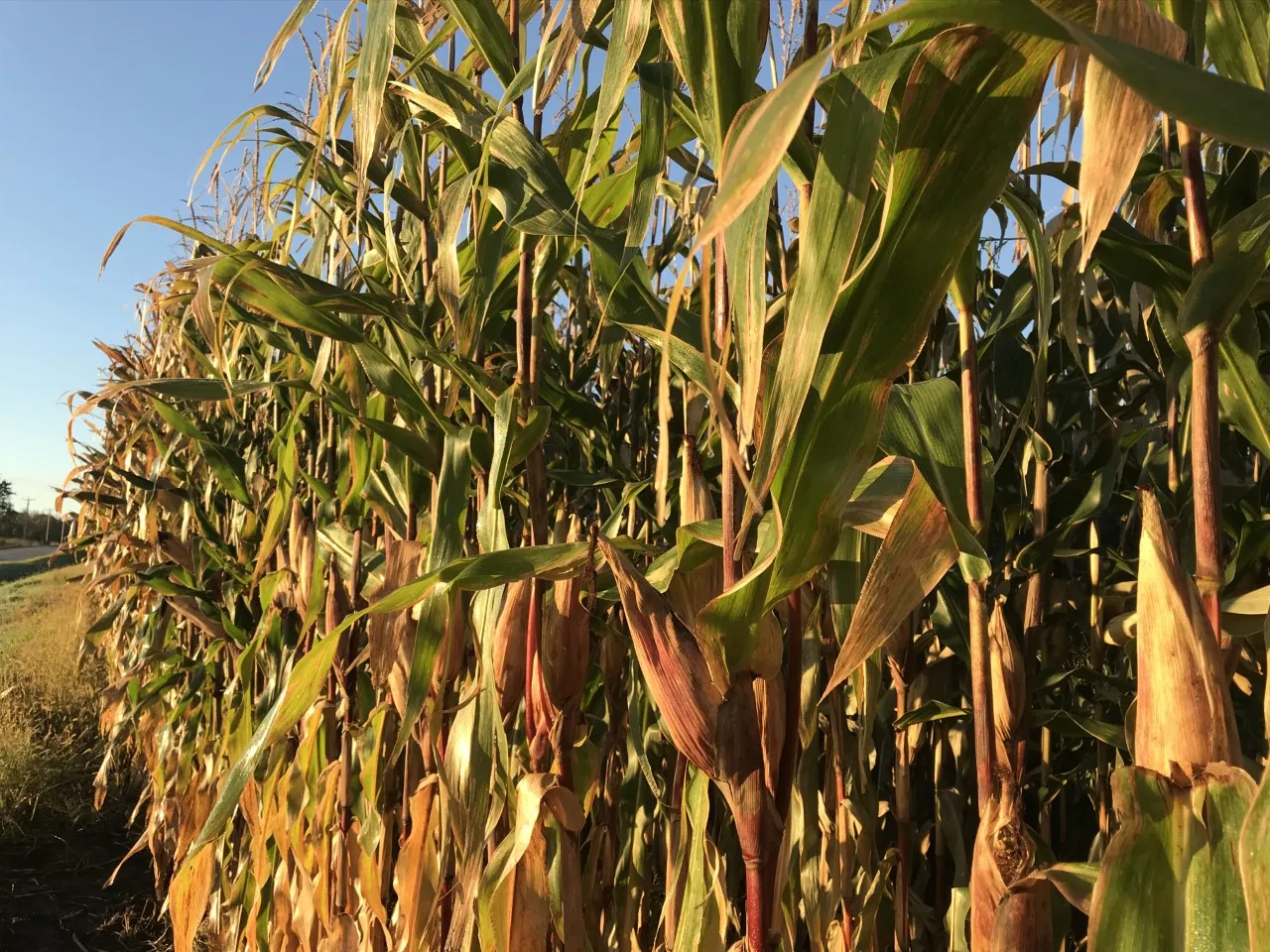
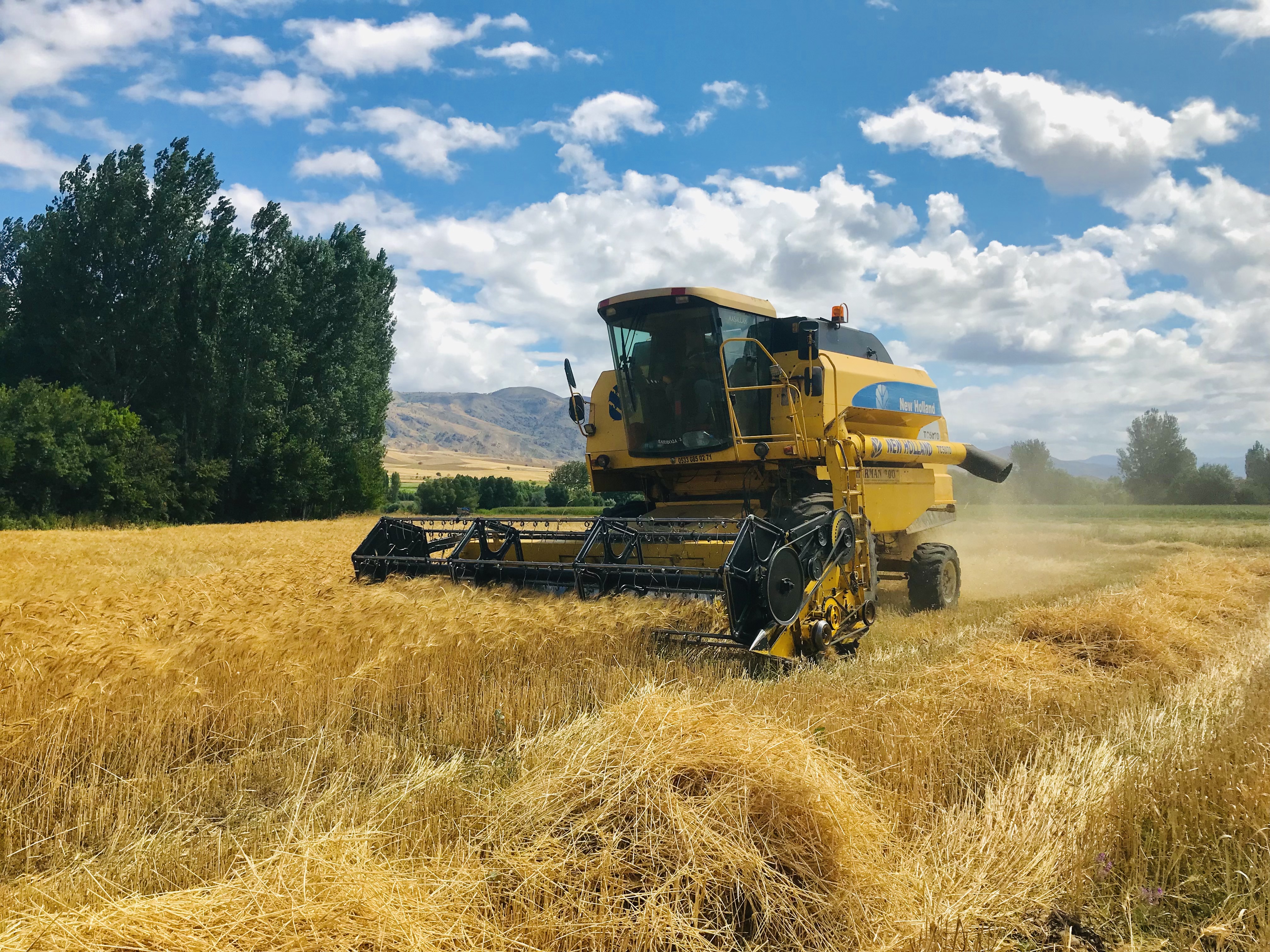
The crops most affected included hazelnuts, wheat, grapes, sunflowers, apricots, barley, corn, chickpeas, apples, walnuts and almonds, while the provinces with the highest number of claims were Manisa, Giresun, Ordu, Malatya, Balıkesir, Denizli and Amasya, he unveiled.

Highlighting the impact of climate change on Türkiye, Bağcı noted that the country, located in the Mediterranean Basin, has been severely affected by extreme weather events.

“This year, especially in crop production, meteorological disasters were experienced intensely,” he said. February brought severe weather to the Mediterranean region, March to the Aegean and in April, much of the country was hit by sharp temperature drops, leading to one of the most severe frost events in recent years, he explained.

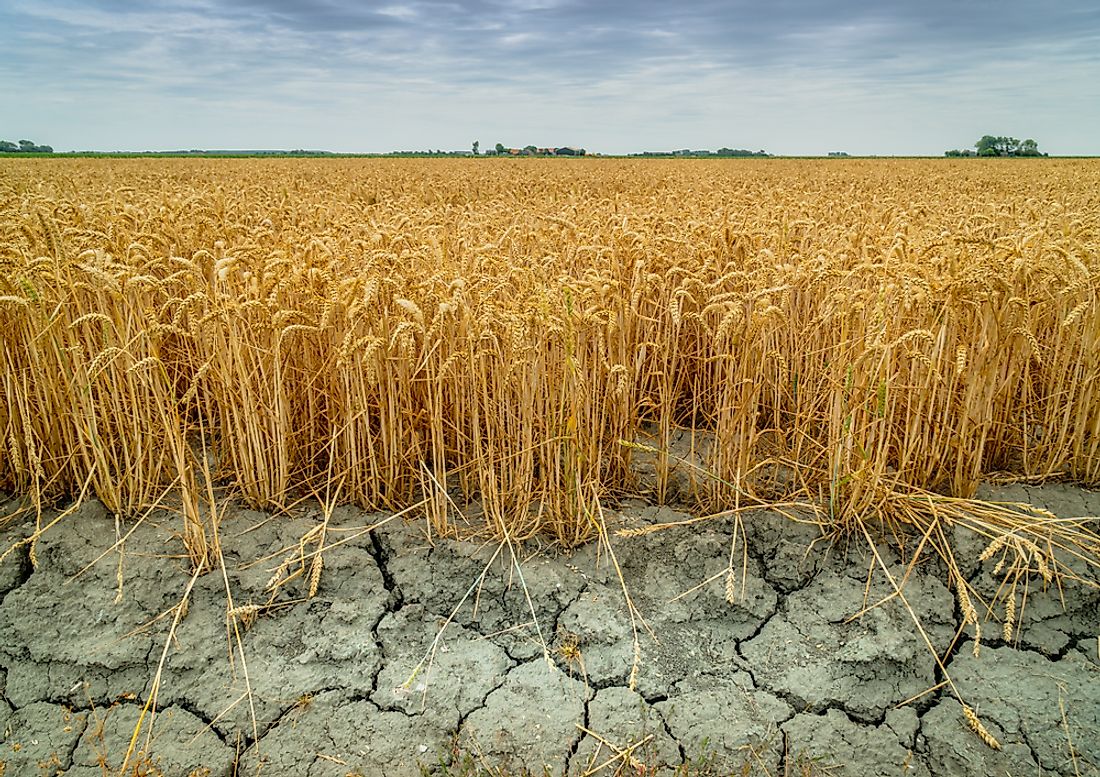
Of the total compensation, 23 billion liras was paid specifically for frost damage, while 2 billion liras was allocated for losses caused by drought.

Bağcı also pointed to widespread wildfires triggered by high temperatures, which damaged olive and fruit trees as well as wheat and barley fields in provinces including İzmir, Manisa, Tekirdağ, Bilecik, Adana, Diyarbakır and Şanlıurfa. Additionally, he noted that wildlife attacks contributed to agricultural losses in several regions.


Source - https://www.hurriyetdailynews.com

30.06.2026

Poland faces smaller AJC crop while Turkey prepares for recovery

Poland's apple juice concentrate (AJC) crop faces the prospect of a sharply reduced harvest in 2026 following severe frosts, while Turkey is set for a strong recovery season after near-total losses a year earlier, according to market sources cited by Mintec.

30.06.2026

Canada - Excess moisture, flooding insured perils under AgriInsurance

Excessive precipitation across northern Alberta over the past several weeks has significantly impacted seeding progress for many producers and is causing fields to flood in some areas.

30.06.2026

India - Delta farmers seek special relief package as Kuruvai loss threatens incomes in TN

With water storage in the Mettur dam forcing a sharp decline in short-term paddy cultivation this season, farmers in the Cauvery Delta have urged the Tamil Nadu government to announce a special relief package and provide scientific guidance on alternative crops to help offset mounting losses. 

30.06.2026

CRDB Bank Deploys AI Nose-Print Technology to Shake Up Tanzanian Livestock Insurance

Tanzanian pastoralists are set to access a transformative digital insurance framework utilizing artificial intelligence to scan animal nose prints for rapid payouts.

30.06.2026

Philippines - WB grants $70M loan for farmers' climate-risk insurance

The World Bank is lending $70 million to the Philippines for a co-insurance pool that would protect small farmers and fisherfolk from the effects of climate change, according to the Department of Agriculture (DA) on Sunday.

30.06.2026

Insurance helps farmers protect livelihoods as climate shocks intensify

Insurance is helping farmers recover from droughts and floods before crises deepen – as climate shocks intensify and the shadow of El Niño threatens.

29.06.2026

USA - Revisions to livestock insurance programs take effect July 1

Revisions to the principal livestock risk management programs, as well as to crop insurance, take effect July 1.

29.06.2026

Raising Concerns About Crop Damage, Threatened Livestock, and Health Risks in Rural Brazil

The advance of wild boars across Brazilian territory worries the countryside due to economic loss, threat to biodiversity, and sanitary risk to livestock, especially in regions where crops and livestock are vulnerable to the species’ movement.