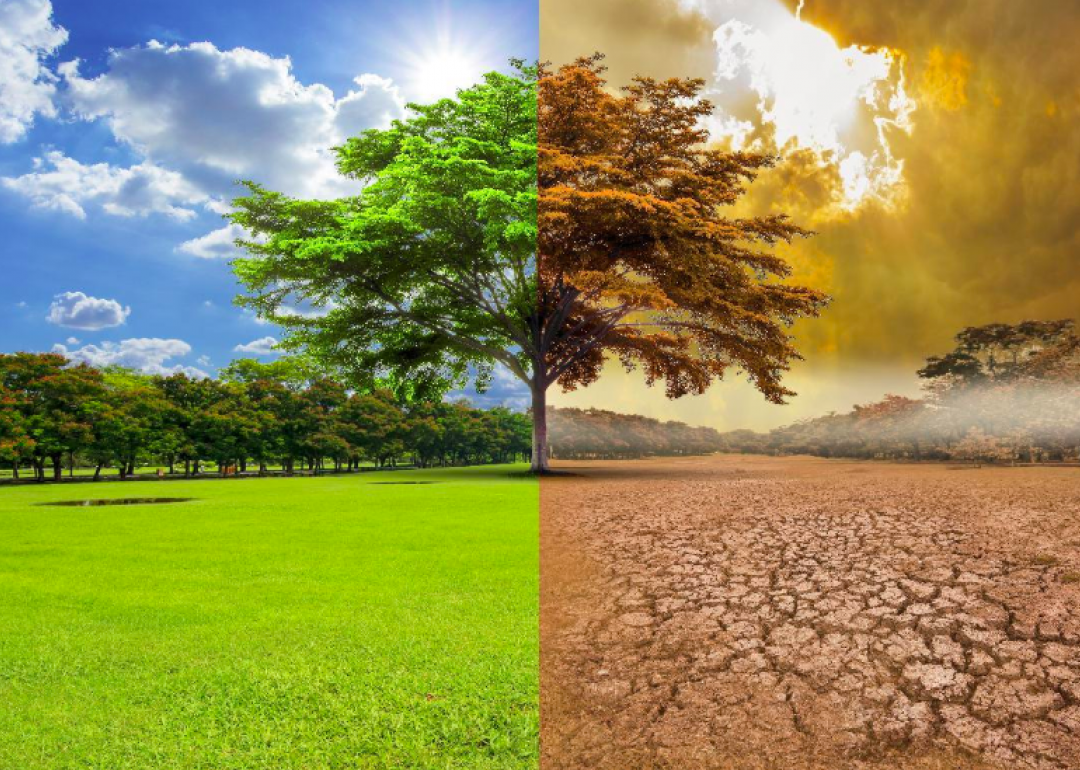
Climate change has made the UK wetter, and farmers have paid the price.
Winter 2023 was one of the wettest on record. The results were clear for all to see during the first half of 2024: soil washed of its nutrients, crops bogged down in waterlogged fields, and livestock sick with waterborne illnesses.
The adverse conditions meant farmers had to delay planting and harvesting. Production of the most common British crops – wheat (bread), barley (malt for brewing), oats and oilseed rape (vegetable oil) – is set to be 21% lower in 2024 than the 2015-2023 average. To meet demand, food and drink manufacturers will import from overseas and pass their additional costs to consumers. Extreme weather is estimated to have already added £361 to the average UK food bill in the last two years.
My work with UK farmers and growers has looked at how they are adapting to these effects of climate change, and how it is affecting their work and way of life. The findings are shocking. Problems experienced by farmers go to the very heart of UK agriculture, and are often things they feel they can do little or nothing about.
A hidden mental health crisis
Farmers told me they are worried about post-Brexit farming policies and trade deals with other countries, such as Australia and New Zealand, flooding the country with cheap imports that undercut domestic producers.
Market forces fix or lower the price farmers receive for their produce. Meanwhile seasonal labourers, such as fruit pickers, are more difficult or expensive to attract now the UK is outside the European Union. On top of that, there are all the issues posed by climate change.
According to the British Association for Counselling and Psychotherapy, male farm workers are three times more likely to take their own lives than the male national average. Every week, three people in the UK farming industry die by suicide.
The Farm Safety Foundation (FSF) runs an annual campaign, Mind Your Head, that asks those working in agriculture to consider the root causes of their stress, anxiety and poor mental health. A recent poll of farmers by FSF found that 95% under the age of 40 list mental health problems as one of their biggest challenges. The reasons for this became apparent during my research.
Farmers are very familiar with extreme weather – being up to your knees in muddy water while trying to harvest a crop makes climate change palpable. Farmers talked about how extreme weather is making harvest times increasingly unpredictable, which affects the growing season of crops. A farmer in West Lancashire told me:
I feel more like a professional gambler than a farmer. What will the weather be like in spring next year, and what should I plant? Who knows!
The future of a farm, and several generations of the family business, depends on stable income. Unpredictable weather caused by climate change makes these regular financial returns elusive.
Commercial pressures
The farmers and growers I interviewed told me supermarkets also retain a strong influence on the agricultural sector. This exerts downward pressure on the prices farmers sell their produce at.
That farmers are unable to set their own prices is one of numerous factors limiting the profitability of farm businesses and preventing planning for the long term – including how to address climate change. Greenhouse gases from agriculture amount to 11% of the UK’s total.
Farmers were keen to point out they still get the same financial reward for many of their products as they did years ago, despite inflation and the upward trend in food prices. Farmers are frustrated that the market and their relationship with buyers stops them adding value to products, with one saying:
[Farming] must be the only industry where you can’t dictate the price of your end-product. I’m losing a penny a litre on milk.
Many farmers are struggling or leaving farming altogether. Second jobs are common in farming families. Some farmers are overcoming these problems by working with neighbours and sharing farm equipment. One farmer said: “You don’t go into farming to get rich … It’s a way of life”.
One spoke of the family deciding it would not be in anyone’s interests for the son to become the farm manager. That son had a well-paid and successful career in engineering instead and retired aged 55, while his father continues to manage the farm in his eighth decade.
My research conjures the image of the lone farmer, struggling to address the urgent needs of their business while the mounting impacts of climate change spell deeper trouble ahead. As one farmer put it: “There [were] five people here – but now there’s only me.” The heritage and future of British farming hangs in the balance.
Source - https://theconversation.com