Insect pests that attack crops have extraordinary powers to develop resistance to greener pesticides, and a new way to manage resistance risks is needed, according to an analysis by the University of Stirling academics.
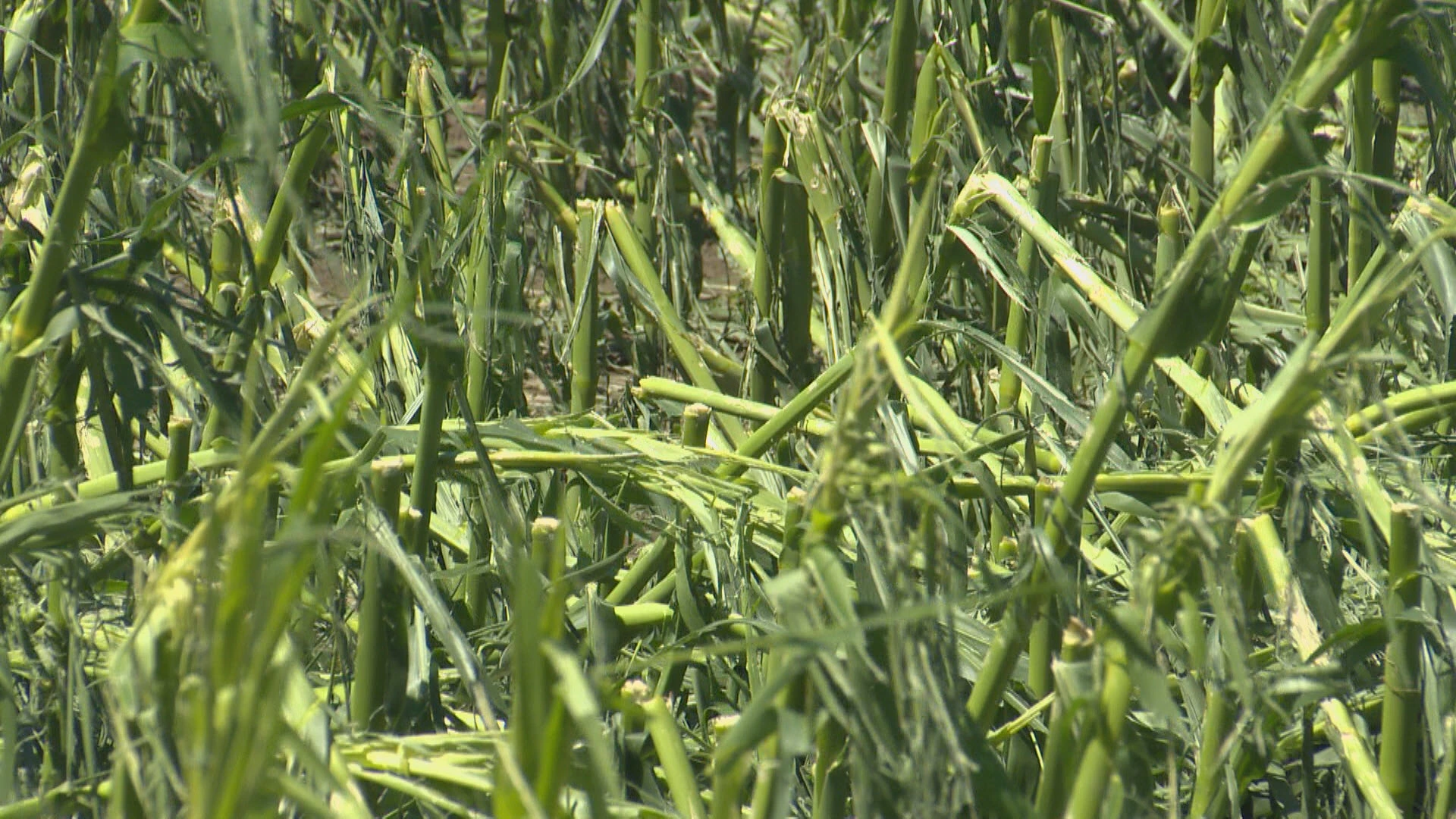
For more than 70 years, agriculture’s response to pesticide resistance has been to seek new pesticides in an endless race to keep up with evolving pests.
Researchers now propose a new way to step off this treadmill as farmers embrace the ongoing green revolution in pest control by switching to biopesticides derived from natural organisms.
The evolution of resistance to biopesticides - a crucial tool in the development of sustainable crop protection - has huge implications for food security worldwide as the global population grows.
In a bid to address this emerging challenge, researchers have deployed principles from fundamental evolutionary ecological science and proposed a practical framework for managing the risks of biopesticide resistance evolution.
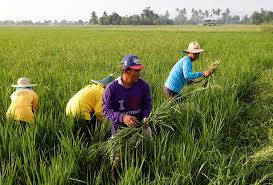
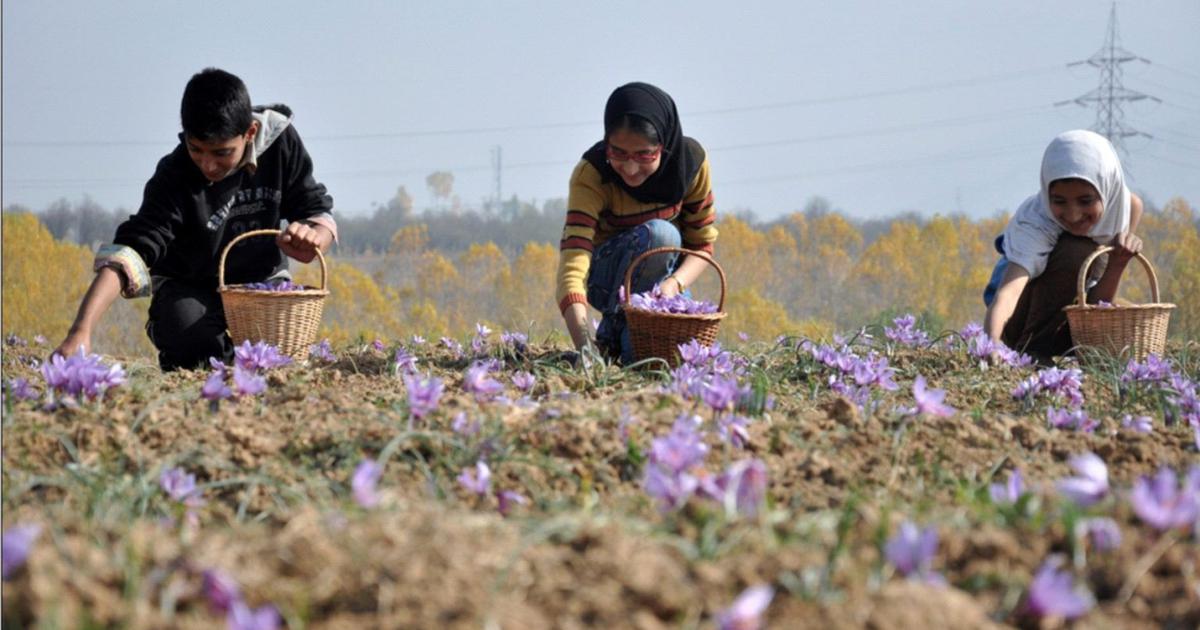
They suggest that farmers can help manage resistance risks by planting a wider diversity of crops and using multiple biopesticides.
The study was funded by a joint Newton Fund international partnership between the Biotechnology and Biological Sciences Research Council (BBSRC) in the UK and the São Paulo Research Foundation (FAPESP) in Brazil, alongside the Swedish Research Council (Vetenskapsrådet).
Scientists from Stirling’s Faculty of Natural Sciences, working with colleagues at the University of Gothenburg and São Paulo State University, conducted a synthesis of existing biopesticide research and argued that resistance evolution is already occurring and is likely to become widespread as biopesticide use continues to increase.
Dr. Matthew Tinsley, Senior Lecturer in Biological and Environmental Sciences at the University of Stirling, said: “People are blinkered – they think because biopesticides are derived from natural sources, it will be more difficult for pests to evolve resistance, but we still need to be worried about pest resistance to these new agents.
“The lead time to develop biopesticides is five to ten years, so if we wait to act, we will lose these new agents because pests will already have evolved.”
Dr. Rosie Mangan, a post-doctoral researcher at the University of Stirling, added: “Novel resistance management approaches are needed for these crop protection products to avoid the same treadmill of invention and loss as has happened for chemical pesticides.
“Our perspective argues that farmers can help manage resistance risks by planting a wider diversity of crops and using multiple biopesticides. This will reduce the spread of resistance and help keep biopesticides effective in the long term.”
The new paper, ‘Increasing ecological heterogeneity can constrain biopesticide resistance evolution,’ is published in Trends in Ecology and Evolution. It forms part of the wider Stirling-led project ENDORSE (Enhancing diversity to overcome resistance evolution).
Dr. Tinsley and Dr. Mangan worked with Dr. Luc Bussière (University of Gothenburg) and Dr. Ricardo Polanczyk (São Paulo State University) on the study.
Source - https://www.freshplaza.com